Ingredient
Kojic Acid
Kojic acid explained, with kojic and glutathione soaps ranked by real verified Funmento purchases, prices and who each suits.
Short answer: Kojic W/ Glutathione Whitening Beauty Soap 2x 135g (270grams) is our top overall pick — chosen from real, verified customer purchases, not paid placements.
By The Funmento Team, Health & Beauty Editors · Updated July 2026 · 14 min read

Top picks at a glance
Ranked by real sales- 1Best overallKojic W/ Glutathione Whitening Beauty Soap 2x 135g (270grams)$3.82★ 4.7 · Bestseller
- 2Best valueWhitening Soap With Papaya And Kojic Acid By Ysa Botanica 100g$2.18★ 4.6 · Very popular
- 3Most popularKojic Soap W/ Glutathione By Cy Gabriel 135g$5.09★ 4.6 · Very popular
Ranked by real, verified purchases — not paid placements.
How the top picks compare
Every recommendation side by side — ranked by real customer demand, with price and who each one suits best.
| # | Product | Price | Rating | Popularity | Best for | Shop |
|---|---|---|---|---|---|---|
| 1 | Kojic W/ Glutathione Whitening Beauty Soap 2x 135g (270grams)Best overall | $3.82 | ★ 4.7 | Bestseller | — | Shop |
| 2 | Whitening Soap With Papaya And Kojic Acid By Ysa Botanica 100gBest value | $2.18 | ★ 4.6 | Very popular | — | Shop |
| 3 | Kojic Soap W/ Glutathione By Cy Gabriel 135gMost popular | $5.09 | ★ 4.6 | Very popular | — | Shop |
Popularity reflects verified customer demand on Funmento. Prices shown in USD; final price and availability confirmed at checkout.
Why these are our top picks
Each pick reviewed — what it is, who it suits — ranked by real customer demand.
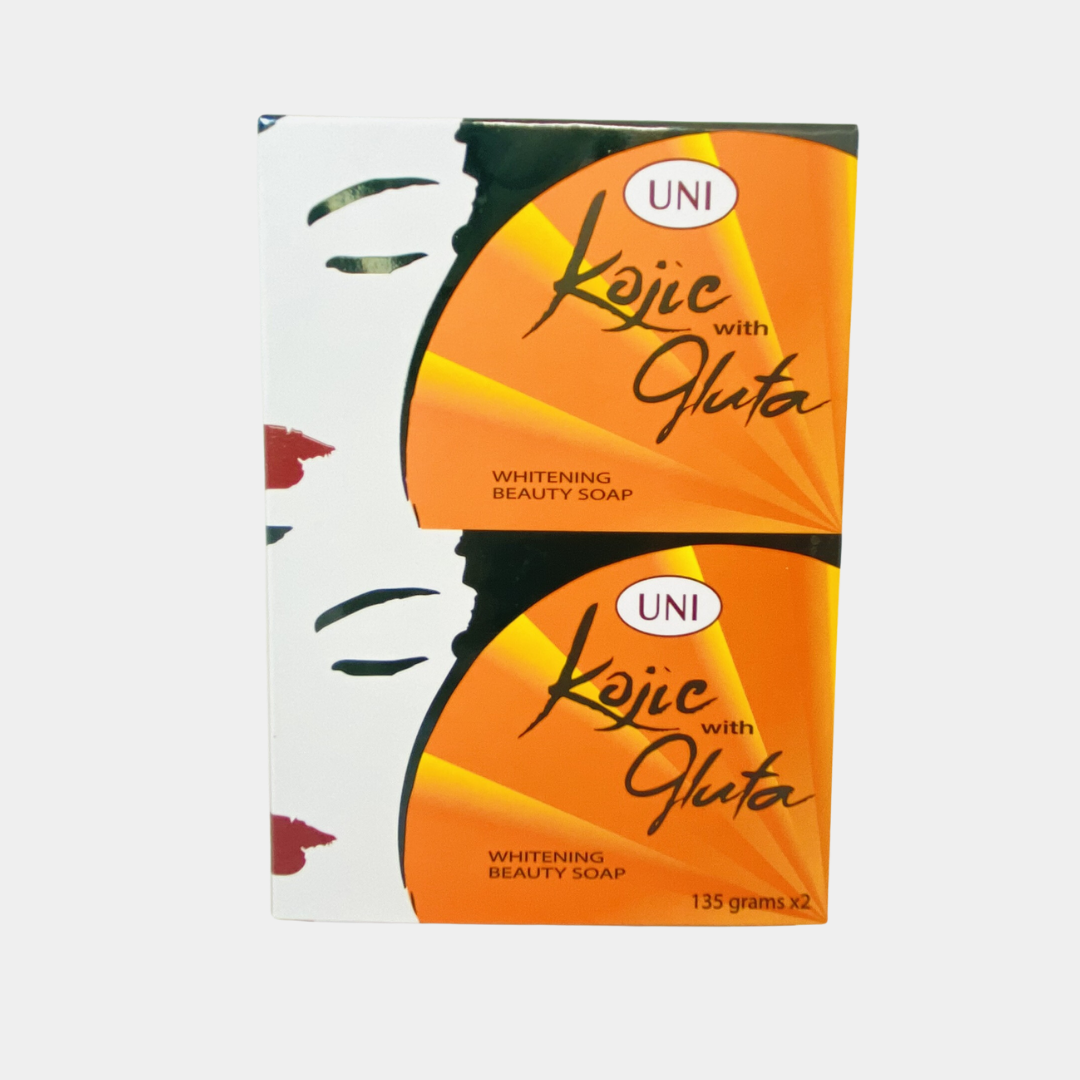 1
1Kojic W/ Glutathione Whitening Beauty Soap 2x 135g (270grams)
3 units sold across 1 orders — rated 4.7 by verified buyers.
Shop Kojic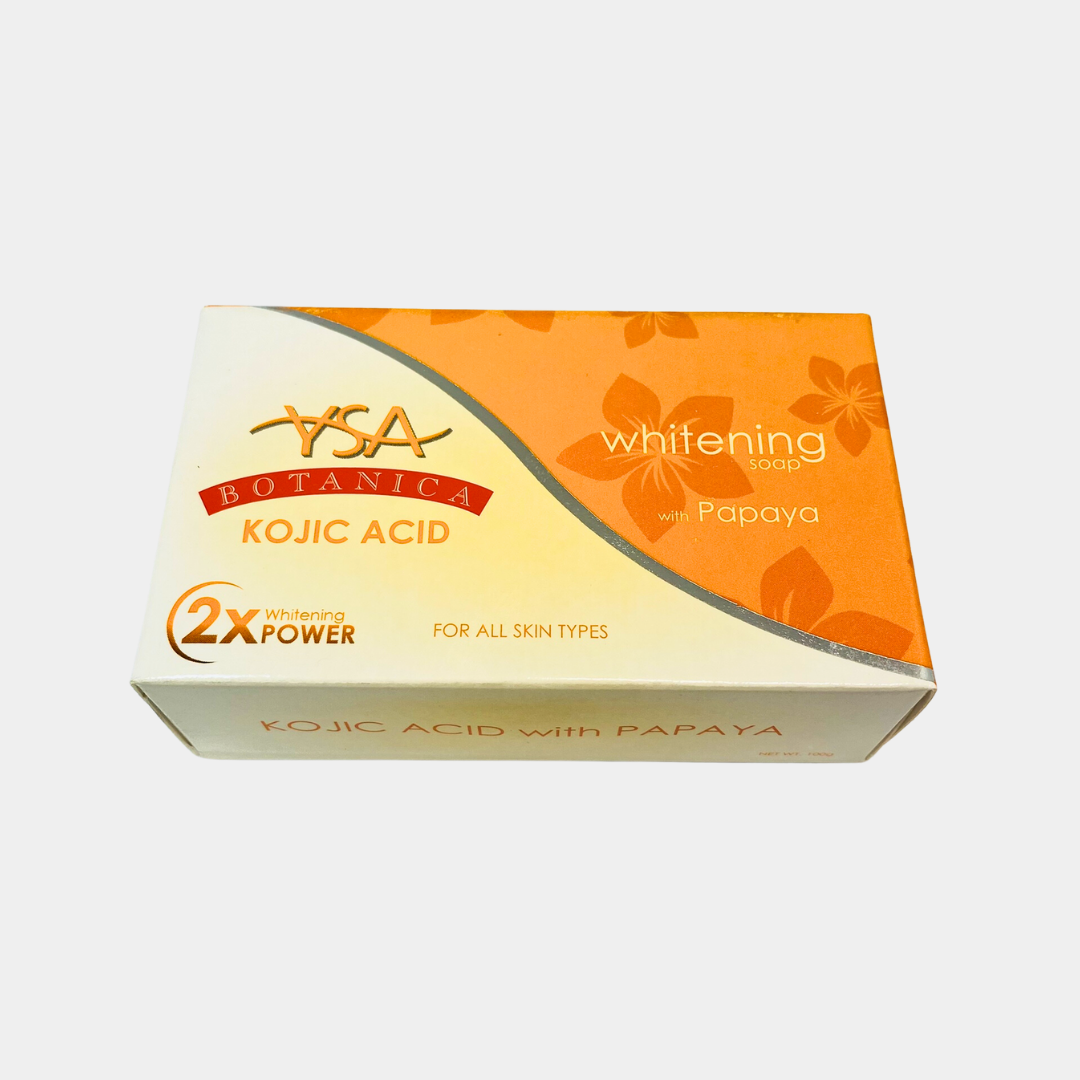 2
2Whitening Soap With Papaya And Kojic Acid By Ysa Botanica 100g
3 units sold across 1 orders — rated 4.6 by verified buyers.
Shop Ysa Botanica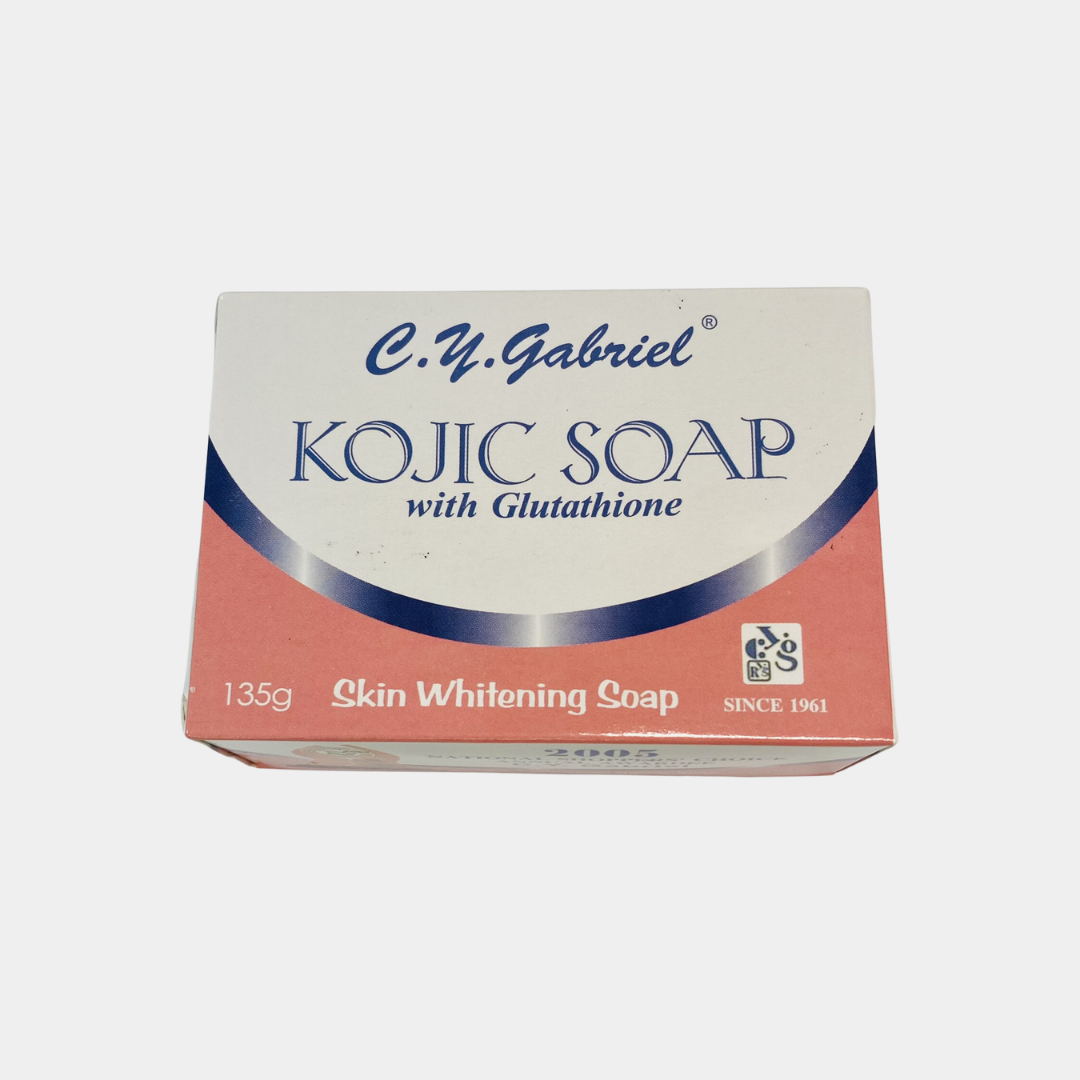 3
3Kojic Soap W/ Glutathione By Cy Gabriel 135g
A customer favourite — rated 4.6 by verified buyers.
Shop Cy GabrielWhich one is right for you?
Skip the research — pick by what matters most to you. Each is a real customer favourite for that need.
How we ranked these products
This guide isn't pay-to-play. Here's exactly how the ranking is decided — and how it stays honest.
Real customer demand
We rank by verified purchases from real customers worldwide — not sponsored placements or ad spend.
Verified-buyer ratings
Star ratings come only from customers who actually bought and received the product.
Ingredients & form
We assess what's in each product and how it's delivered — injectable, oral or a full set.
Authenticity checked
Every product is verified authentic before it's listed — and you can check your own below.
Reviewed monthly
Rankings are re-checked and refreshed every month so this guide stays current.
Reviewed by The Funmento Team · Updated July 2026. We never accept payment for placement — the ranking reflects real customer behaviour, not who paid the most.
What is Kojic Acid and how does it work?
Kojic acid is a naturally occurring organic compound that first gained attention in the 1980s as a by‑product of certain fermented foods. It is produced by several species of the Aspergillus and Penicillium fungi during the breakdown of sugars, and it can be isolated in a crystalline powder that is water‑soluble. In cosmetics, the ingredient is typically incorporated into creams, serums, and masks at concentrations ranging from 1 % to 4 %, although the exact level varies by brand and regional formulation guidelines. Because it is derived from a microbial source, the ingredient is often described as a “bio‑derived brightener.”
Kojic acid’s primary action in skin‑care products is its ability to interfere with the enzyme tyrosinase, a key catalyst in the pathway that creates melanin pigment. By binding to the copper ions at the active site of tyrosinase, the molecule reduces the enzyme’s activity, which may help support a more even‑looking complexion over time. The effect is most noticeable when the ingredient is used consistently as part of a routine that respects the skin’s natural pH (typically around 5.5 to 6.0). In addition to its melanin‑modulating effect, the compound exhibits antioxidant properties that can protect skin cells from oxidative stress caused by everyday environmental factors such as UV‑related free radicals and pollution. This dual function makes it a popular choice for formulations that aim to brighten while providing antioxidant support.
When incorporated into daily beauty routines, kojic acid is usually found in products designed for the face, neck, and décolletage. The ingredient works best when applied to clean, slightly damp skin, allowing the formulation to spread evenly and absorb efficiently. Many users pair it with complementary ingredients—such as niacinamide for barrier comfort or vitamin C for an extra boost of radiance—to create a layered approach that supports brighter‑looking skin without over‑loading any single component.
- Creams or moisturizers (1‑2 % concentration) for morning and evening use
- Serums (2‑4 % concentration) applied after cleansing and before sunscreen
- Sheet masks or overnight masks that deliver a short‑term burst of brightening support
- Spot‑treatment gels for localized areas where uneven tone is more pronounced
| Ingredient | Typical Source | Common Concentration | Main Benefit |
|---|---|---|---|
| Kojic Acid | Fermentation‑derived fungal metabolite | 1‑4 % | May help support a more even‑looking complexion |
| Vitamin C (Ascorbic Acid) | Plant‑derived antioxidant | 5‑15 % | Provides antioxidant support and brightening |
| Niacinamide (Vitamin B3) | Synthetic vitamin derivative | 2‑5 % | Helps maintain barrier health and smooth tone |
Overall, kojic acid is a well‑established component of many beauty routines across the United States, Philippines, United Kingdom, South Africa, France, India, Saudi Arabia, UAE, Australia, and Sri Lanka. While results vary from person to person, consistent use of a properly formulated product can contribute to a healthier‑looking, brighter‑appearing skin tone. As with any active ingredient, it is advisable to patch‑test first and to follow the manufacturer’s usage guidelines for optimal, skin‑friendly results.

The key benefits of Kojic Acid for skin and overall health
Kojic acid, a naturally derived molecule first isolated from certain fungi, has become a staple in skin‑care routines across the United States, Philippines, United Kingdom, South Africa, France, India, Saudi Arabia, UAE, Australia, and Sri Lanka. Its popularity stems from a blend of mild brightening ability, antioxidant support, and a reputation for being gentle enough for daily use on a variety of skin tones.
Even‑tone support
When applied topically, kojic acid may help support a more uniform appearance by gently slowing the enzymatic steps that lead to melanin formation. This action is often described as “brightening” rather than changing the skin’s natural colour. Because the effect is gradual, results vary from person to person, and the ingredient is commonly paired with other light‑reflecting agents for a balanced finish.
- May help reduce the look of existing dark spots
- Supports a smoother, more even complexion over time
- Works well with vitamin C or niacinamide for synergistic brightening
- Often formulated at 1‑2 % for daily use, which balances efficacy and tolerance
- Suitable for most skin types, including those with mild sensitivity
Antioxidant and free‑radical protection
Beyond colour support, kojic acid provides antioxidant support that can help defend skin cells from oxidative stress caused by UV exposure and pollution. While it is not a sunscreen, the molecule’s ability to neutralise free radicals contributes to a healthier‑looking surface and may complement broader sun‑care strategies.
Considerations for different skin types
People with very dry or compromised barriers may prefer formulations that combine kojic acid with hydrating ingredients such as hyaluronic acid or glycerin. Those with oily or acne‑prone skin often find that a lightweight serum or gel feels less heavy than a cream‑based product. In all cases, using a moisturizer after application can help lock in moisture and maintain a comfortable feel.
| Typical concentration | Recommended skin type | Common format |
|---|---|---|
| 1 % – 2 % | Normal to oily | Serum or gel |
| 2 % – 3 % | Dry or mature | Cream or lotion |
When integrating kojic acid into a routine, start with a product applied once daily and observe how your skin responds. If tolerance is good, you may increase to twice daily, keeping the total exposure within the product’s suggested range. Pairing the ingredient with a broad‑spectrum sunscreen each morning helps protect the skin while the brightening benefits work in the background.
Overall, kojic acid offers a modest, supportive boost for those seeking a brighter‑looking complexion and added antioxidant defence. Its versatility across product types and skin tones makes it a reliable choice for consumers in diverse markets, provided it is used as directed and combined with a comprehensive skin‑care regimen.

How much Kojic Acid should you take, and how often?
Understanding the right amount of Kojic Acid to use is key to building a sustainable skin‑care routine. The ingredient is most commonly found in creams, serums, and sheet masks, where it works on the surface to support a brighter‑looking complexion. Because results vary from person to person, beginning with a modest concentration and observing your skin’s response is a prudent approach.
Typical concentrations in over‑the‑counter products
| Product type | Typical % of Kojic Acid | Suggested application frequency |
|---|---|---|
| Moisturizing cream | 1 %–2 % | 1–2 times daily |
| Serum | 2 %–4 % | Once daily |
| Sheet mask | 3 %–5 % | 2–3 times weekly |
Even when the concentration aligns with the product label, the frequency of use can shape the experience. For most skin types, a 1 %–2 % cream applied once or twice a day offers enough exposure for a healthy‑looking tone without overwhelming the skin’s natural barrier. Higher percentages, such as those in masks, are generally limited to a few applications per week to allow the skin to recover.
Factors that influence how often you might apply
- Skin type (dry, oily, or combination)
- Existing routine (presence of other actives like vitamin C or AHAs)
- Climate and seasonal changes
- Personal sensitivity or history of irritation
Because Kojic Acid is not a prescription ingredient, there is no universal dosage. Follow the product’s label, perform a patch test, and monitor your skin over one to two weeks. If you notice persistent redness, scaling, or discomfort, reduce the frequency or pause use. Consulting a qualified skincare professional can help you fine‑tune the amount and schedule that best supports your individual goals.
How long does Kojic Acid take to show results?
Kojic acid is a naturally derived ingredient that many people incorporate into their daily skincare routine to promote a brighter‑looking complexion. Because it works by gently inhibiting melanin production, visible changes tend to appear gradually rather than overnight. Understanding the typical timeframe helps set realistic expectations and encourages consistent use.
Key factors that influence the timing of results
- Concentration of kojic acid in the product (e.g., 1 % vs 4 %).
- Formulation type – serums, creams, or masks may deliver the ingredient differently.
- Frequency of application – once versus twice daily.
- Individual skin turnover rate, which can vary by age and genetics.
- Presence of complementary ingredients such as niacinamide or vitamin C that can boost antioxidant support.
When these variables align, most users begin to notice a subtle shift in tone within the first two to three weeks. The change is usually described as a more even‑looking surface rather than a dramatic lightening. Continued use over a longer period often leads to a steadier, healthier‑looking glow.
| Weeks of Use | Typical Observation |
|---|---|
| 1‑2 | Skin may feel smoother; minimal color change. |
| 3‑4 | Slight brightening of previously darker spots may become apparent. |
| 5‑8 | More consistent, brighter‑looking tone across larger areas. |
| 9+ | Sustained, even‑looking complexion; maintenance phase recommended. |
Because results vary from person to person, it’s helpful to track progress with photos taken under the same lighting conditions. If you notice irritation, reduce frequency or switch to a lower concentration. Remember, the goal is a healthier‑looking complexion that evolves with time, not an instant transformation.
Kojic Acid side effects and safety: what to know
Kojic acid is a popular ingredient in skin‑brightening and antioxidant‑supporting products across the United States, United Kingdom, India, and many other markets. While many users enjoy a brighter‑looking complexion, the ingredient can also provoke reactions in sensitive skin. Understanding the range of possible side effects helps you decide whether to keep it in your routine and how to use it responsibly.
The most frequently reported responses are mild and temporary. Typical signs include a tingling sensation, slight redness, or a dry feeling on the area of application. In rare cases, users may notice a faint itching or a temporary increase in skin sensitivity to sunlight. These reactions usually subside within a few days of reducing frequency or pausing use.
- Mild tingling or warmth
- Transient redness or flushing
- Dryness or flaking
- Occasional itching
- Increased photosensitivity (temporary)
If you experience any of the above signs, the safest approach is to pause the product for at least 24‑48 hours, then re‑introduce it at a lower frequency (e.g., every other day). Should irritation persist beyond a week, discontinue use and consult a qualified healthcare professional. Remember, results vary from person to person, and what works for one skin type may feel different for another.
Typical concentration ranges in commercial products
| Product type | Common kojic acid concentration (w/w) |
|---|---|
| Serums | 1‑3% |
| Creams & Lotions | 0.5‑2% |
| Masks & Peels (over‑the‑counter) | 2‑5% |
| Professional‑grade treatments (administered by qualified professionals) | 5‑10% |
Lower concentrations (0.5‑2%) are generally well‑tolerated for daily use, while higher percentages are often found in weekly masks or professional treatments. In markets such as Saudi Arabia, the UAE, and South Africa, regulations may limit over‑the‑counter products to 2% or less, encouraging consumers to seek professional guidance for stronger formulas.
Special considerations by region
- United States & Canada: No specific federal limit, but many brands stay under 4% to reduce irritation risk.
- European Union (UK, France, Australia): Cosmetic regulations encourage labeling of concentrations above 2% and advise a patch test.
- India & Sri Lanka: Local guidelines recommend maximum 2% for daily leave‑on products.
- Middle East (Saudi Arabia, UAE): Over‑the‑counter products typically capped at 2%; higher strengths require professional supervision.
Overall, kojic acid can be a useful addition to a beauty routine when applied with awareness of its safety profile. By respecting concentration guidelines, performing a patch test, and adjusting usage based on your skin’s response, you can support a brighter‑looking complexion while minimizing the chance of irritation.
Can you take Kojic Acid with vitamin C?
Kojic acid is a popular skin‑brightening ingredient that works by gently inhibiting melanin production. Vitamin C, a potent antioxidant, is often added to routines for its ability to support a radiant complexion and protect against free‑radical damage. When you wonder whether you can take them together, the answer hinges on formulation, timing, and skin type, rather than a one‑size‑fits‑all rule.
Why the combination matters
Both ingredients are frequently found in serums, creams, and masks across the United States, Philippines, United Kingdom, South Africa, France, India, Saudi Arabia, UAE, Australia, and Sri Lanka. Their chemistry can complement each other—vitamin C can help maintain a healthy‑looking tone while kojic acid contributes to a brighter‑looking appearance. However, the pH environment each prefers can affect stability, so it’s useful to understand the basics before layering them.
- Kojic acid works best at a slightly acidic pH (around 4‑5), whereas vitamin C (L‑ascorbic acid) prefers a lower pH (below 3.5) for optimal stability.
- When combined in the same formula, manufacturers often adjust the pH to keep both ingredients active, but separate products may need a short waiting period between applications.
- People with sensitive skin may notice mild tingling if the two are applied too close together; a buffer such as a moisturizer can help reduce that sensation.
- Sun protection is essential—both ingredients support a brighter‑looking complexion, but UV exposure can still cause oxidative stress, so a broad‑spectrum sunscreen should be the final step.
- Results vary from person to person; some users report a noticeable boost in radiance, while others see a more gradual improvement.
If you prefer to keep the products separate, a practical routine is to apply vitamin C in the morning (when its antioxidant benefits are most beneficial) and use kojic acid in the evening. This timing respects each ingredient’s optimal environment and gives your skin a chance to reap the supporting benefits without potential pH clashes.
| Ingredient | Preferred pH Range | Typical Use Time |
|---|---|---|
| Kojic Acid | 4.0 – 5.0 | Evening |
| Vitamin C (L‑ascorbic acid) | 2.5 – 3.5 | Morning |
In summary, you can incorporate both kojic acid and vitamin C into your beauty routine, but consider the pH needs, skin sensitivity, and timing to support a healthy‑looking complexion. When in doubt, consult a qualified skincare professional who can tailor the approach to your specific skin concerns and regional product availability.
How to choose a genuine Kojic Acid product
Kojic acid has become a staple in many beauty routines because it may help support a brighter‑looking complexion and offers antioxidant support. With a flood of products on the market, picking a genuine formula can feel overwhelming. This guide walks you through the concrete factors that separate a well‑formulated product from a filler, so you can shop with confidence across the United States, Philippines, United Kingdom, South Africa, France, India, Saudi Arabia, UAE, Australia, and Sri Lanka.
First, look at purity and concentration. Authentic kojic acid is typically sold as a powder or serum with a declared purity of 95 % or higher. In topical preparations, the active concentration usually ranges from 1 % to 5 % for daily use; higher percentages are often reserved for professional‑grade formulas. The label should state the exact percentage of kojic acid and any supporting ingredients, such as niacinamide or vitamin C, that enhance its brightening effect.
Second, verify the source and manufacturing standards. Reputable brands often disclose whether their kojic acid is derived from natural fermentation (e.g., rice or soy) or synthesized in a laboratory. Look for statements about GMP (Good Manufacturing Practice) compliance, which indicates that the product was produced in a controlled environment. While you cannot claim a product is "quality-selected," a clear reference to GMP or ISO‑9001 certification helps reassure you of consistent quality.
Third, examine packaging and labeling. Genuine products use airtight, UV‑protective containers to preserve stability, because kojic acid can degrade when exposed to light and air. The label should include a batch number, manufacture date, and a clear expiration or “best‑by” date. Ingredients are listed in descending order, and any fragrance or preservative additives are identified separately, allowing you to spot potential irritants.
Fourth, consider price and consumer feedback. Extremely low prices often signal diluted or counterfeit material. Cross‑check the retail price with the brand’s official website or authorized distributors in your region. User reviews that mention consistent texture, lack of discoloration, and a gradual brightening effect are useful signals, but remember that results vary from person to person.
- Missing batch or expiry information
- Vague claims like "premium brightening" without concentration details
- Packaging that is not resealable or UV‑protected
- Price that is dramatically lower than comparable brands
| Label Claim | Typical Concentration | Recommended Use |
|---|---|---|
| Kojic Acid 1 % | 1 % | Gentle daily serum for sensitive skin |
| Kojic Acid 3 % | 3 % | Standard brightening cream for regular use |
| Kojic Acid 5 % | 5 % | Professional‑grade formula; often used under supervision |
| Purity | ≥95 % |
| Packaging | Opaque, airtight |
| Certification | GMP or ISO‑9001 mentioned |
| Transparency | Batch number & COA available |

Kojic Acid price and value: what to expect
When you shop for kojic acid, the price you see on a label is only part of the story. In the United States, a 30‑gram tube of a standard 2 % formulation typically ranges from $12 to $25, while bulk packs of 100 grams can sit between $30 and $55. In the Philippines, the same 30‑gram size often appears for ₱350–₱650, and larger 100‑gram containers are priced around ₱900–₱1,300. These figures illustrate how regional market dynamics shape the cost you pay at checkout.
| Country | 30 g price (approx.) | 100 g price (approx.) |
|---|---|---|
| United States | $12 – $25 | $30 – $55 |
| Philippines | ₱350 – ₱650 | ₱900 – ₱1,300 |
| United Kingdom | £10 – £22 | £25 – £45 |
| South Africa | R150 – R280 | R350 – R600 |
| France | €11 – €24 | €28 – €50 |
| India | ₹350 – ₹650 | ₹900 – ₹1,400 |
| Saudi Arabia | SAR 45 – SAR 80 | SAR 120 – SAR 200 |
| UAE | AED 45 – AED 80 | AED 120 – AED 200 |
| Australia | A$15 – A$28 | A$35 – A$60 |
| Sri Lanka | LKR 2,200 – LKR 4,000 | LKR 5,500 – LKR 9,500 |
Over the past three years, the average retail price for a 30‑gram kojic acid serum has risen modestly in most regions, reflecting global raw‑material costs and tighter regulatory scrutiny on cosmetic additives. In the United Kingdom, the typical range moved from £10‑£18 in 2021 to £12‑£22 today. Meanwhile, emerging markets such as India and Saudi Arabia have seen price bands tighten as local manufacturers scale up production and benefit from reduced import tariffs. These shifts suggest that the value proposition of kojic acid products is becoming more aligned with broader market stability.
Several factors drive those price differences. Local manufacturing costs, import duties, and the concentration of the active ingredient all play a role. Products that list a higher percentage of kojic acid—such as 4 % or 6 %—generally command a premium because they require more raw material and stricter quality controls. In addition, brands that invest in antioxidant‑rich supporting ingredients, like vitamin C or niacinamide, may appear at the higher end of the price spectrum.
- Ingredient concentration – higher % often costs more
- Supporting actives – added antioxidants can raise price
- Packaging sustainability – eco‑friendly containers may be pricier
- Brand transparency – clear batch numbers and testing symbols add confidence
- Production scale – larger batch manufacturing can lower unit cost
When you compare products, look beyond the sticker price. A formulation that includes stabilizers or a pH‑balanced base can help the active ingredient stay effective longer, which may reduce the frequency of purchase. Likewise, a transparent ingredient list and third‑party testing symbols often signal a brand that prioritises consistency, giving you more confidence in the price you pay.
Online marketplaces often list the widest range of prices, but shipping fees and customs clearance can add unexpected costs. In‑store shelves let you inspect packaging and verify expiration dates on the spot, though the selection may be narrower. Whichever channel you choose, keep an eye on return policies and verify that the seller provides a clear batch number for traceability.
How to make sure your product is real
Counterfeits exist in this category. Here's how to protect yourself, and how we guarantee what you buy.
How to spot a genuine product
- Check the safety seals and packaging are intact and factory-sealed — never accept a broken or resealed box.
- Look for a batch or serial code on the box, and make sure it matches the code on the vial or sachet.
- Buy only from authorised sellers — not random social-media resellers or unverified marketplaces.
- Be wary of prices far below the market: a huge discount often means a fake or a refill.
Our authenticity guarantee
100% authentic
Every item is genuine, sourced through authorised channels — never imitations or refills.
Sealed & verified
Products arrive factory-sealed, with intact safety seals and batch codes you can check.
Quality reviewed
Each listing is checked against our standards before it goes on sale.
Genuine or money back
If a product isn't authentic, we'll make it right — full refund, no hassle.
Frequently asked questions (8)
Is Kojic Acid safe?
How long until I see results from Kojic Acid?
Should I take Kojic Acid orally or by injection?
Can I take Kojic Acid with vitamin C?
How much Kojic Acid should I take?
Who should avoid Kojic Acid?
Does Kojic Acid really work for skin?
How do I know if my Kojic Acid is authentic?
Kept fresh, not forgotten
This is an evergreen guide. Instead of posting a new dated article every month, we keep this page and refresh it as the market changes — so the link you bookmark always has the current answer.
What we re-check every update
- Rankings — re-scored against the latest real customer demand.
- Prices — refreshed so every figure matches checkout.
- Ratings — pulled live from verified buyers.
- Products — new arrivals added, discontinued items removed.
- Safety & regulatory info — reviewed against current advisories.
Keep exploring
Jump straight to a product, browse a category, or read a related guide.
This guide is general information, not medical advice. Results vary from person to person. Follow each product's label, and have injectable products administered by a licensed professional.