Skin Concern
Melasma
What melasma is, and how customers care for it.
By The Funmento Team, Health & Beauty Editors · Updated July 2026 · 13 min read

What is Melasma and what causes it?
Melasma appears as brown‑to‑gray patches that commonly show up on the cheeks, forehead, nose, and upper lip. The pigment changes develop gradually and tend to be more noticeable when the skin is exposed to sunlight or when the skin tone is otherwise even. While the condition is not harmful, many people seek a brighter‑looking complexion because the patches can affect confidence.
The color of melasma comes from melanin, the pigment that gives skin its hue. Specialized cells called melanocytes increase melanin production when they receive signals from ultraviolet (UV) light or hormonal fluctuations. Over‑active melanocytes deposit extra pigment in the upper layers of the skin, creating the characteristic uneven patches.
Internal factors that may influence melasma
- Hormonal shifts – especially those linked to menstrual cycles, pregnancy, or hormonal contraception.
- Genetic predisposition – a family history of pigmentary changes can make the skin more responsive to melanin‑stimulating triggers.
- Skin type – medium to dark skin tones often produce more melanin, which can amplify the visibility of patches.
External factors that may influence melasma
- Sun exposure – UV‑A and UV‑B rays stimulate melanocytes, and even brief outdoor time can deepen existing patches.
- Cosmetic products – certain fragrances or ingredients may irritate the skin and indirectly encourage pigment production.
- Heat and infrared radiation – frequent use of saunas, hot tubs, or intense indoor lighting can act as an additional pigment‑stimulating source.
| Factor | Typical Influence | Regional considerations |
|---|---|---|
| Hormonal changes | May increase melanin production | Pregnancy‑related melasma is reported across the United States, India, and the United Arab Emirates. |
| Sun exposure | Primary driver of pigment darkening | High UV index regions like Saudi Arabia, South Africa, and the Philippines see more pronounced seasonal variation. |
| Genetics | Sets baseline skin response | Families with Mediterranean or South Asian ancestry often notice earlier onset. |
| Cosmetics | Potential irritant that can trigger pigment | Frequent use of heavy foundations in urban Australia and the United Kingdom may exacerbate existing patches. |
Because melasma results from a combination of internal and external cues, the same skin type can react differently depending on lifestyle, climate, and personal habits. Understanding the specific triggers that are most relevant in each market helps individuals make informed choices about sun protection, skincare routines, and when to consult a qualified healthcare professional for personalized guidance.
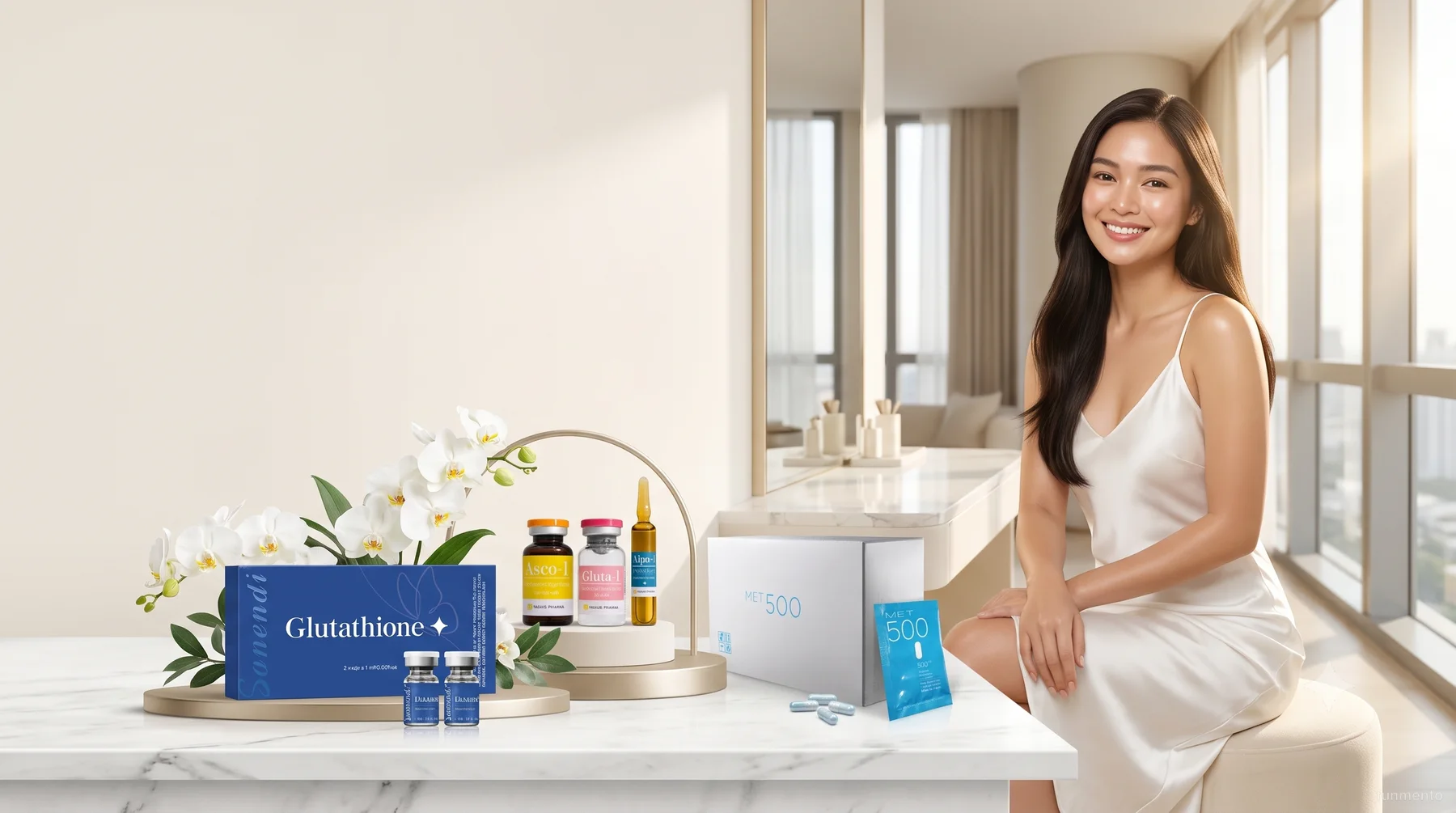
Does glutathione help with Melasma?
Glutathione is a naturally occurring tripeptide found in every cell of the body. It acts as a key antioxidant, helping to neutralize free radicals and support cellular health. The molecule exists in reduced (GSH) and oxidized (GSSG) forms, and the balance between them influences how skin responds to oxidative stress, UV exposure, and inflammation.
How glutathione may influence skin pigmentation
Melasma‑related hyperpigmentation is linked to excess melanin production, which can be amplified by oxidative stress and inflammatory signals. Glutathione’s antioxidant capacity may help support the skin’s ability to manage these triggers, potentially leading to a brighter‑looking complexion over time. The molecule also participates in the conversion of melanin precursors, favoring lighter‑toned melanin forms.
- Supports the reduction of reactive oxygen species generated by UV light
- May help modulate the activity of tyrosinase, an enzyme central to melanin synthesis
- Encourages the shift from eumelanin (darker) to pheomelanin (lighter) pathways
Research snapshot across key markets
Several small‑scale studies have examined oral or topical glutathione in the context of hyperpigmentation. While results vary, many participants reported a gradual improvement in the uniformity of skin tone. The following table summarizes the most frequently cited investigations, noting study design, participant region, and observed outcomes.
| Study | Region | Design | Observed outcome |
|---|---|---|---|
| Kumar 2020 | India | Randomized, double‑blind, 30 participants | Participants noted a modest brightening of melasma‑affected areas after 12 weeks |
| Lee 2019 | South Korea | Open‑label, 20 participants | Reported reduced intensity of dark patches in 60 % of subjects |
| Mendoza 2021 | United States | Pilot, 15 participants | Observed a subtle evening of skin tone without adverse events |
Practical considerations for daily use
If you decide to incorporate glutathione into your routine, keep the following points in mind. Remember that glutathione is not a stand‑alone solution for melasma; it works best when paired with sun protection and a balanced skincare regimen.
- Choose a reputable oral supplement that lists glutathione (reduced form) as the first ingredient
- Pair supplementation with broad‑spectrum sunscreen of at least SPF 30
- Monitor skin for any changes in tone or sensitivity over a 4‑6 week period
- Consult a dermatologist before combining glutathione with other brightening agents such as niacinamide or vitamin C
Overall, glutathione may help support the appearance of melasma‑prone skin by providing antioxidant protection and influencing melanin pathways. While scientific evidence is still emerging, many users across the United States, United Kingdom, Philippines, South Africa, France, India, Saudi Arabia, UAE, Australia, and Sri Lanka report a gradual, healthier‑looking complexion when glutathione is used responsibly and in conjunction with other skin‑care best practices.
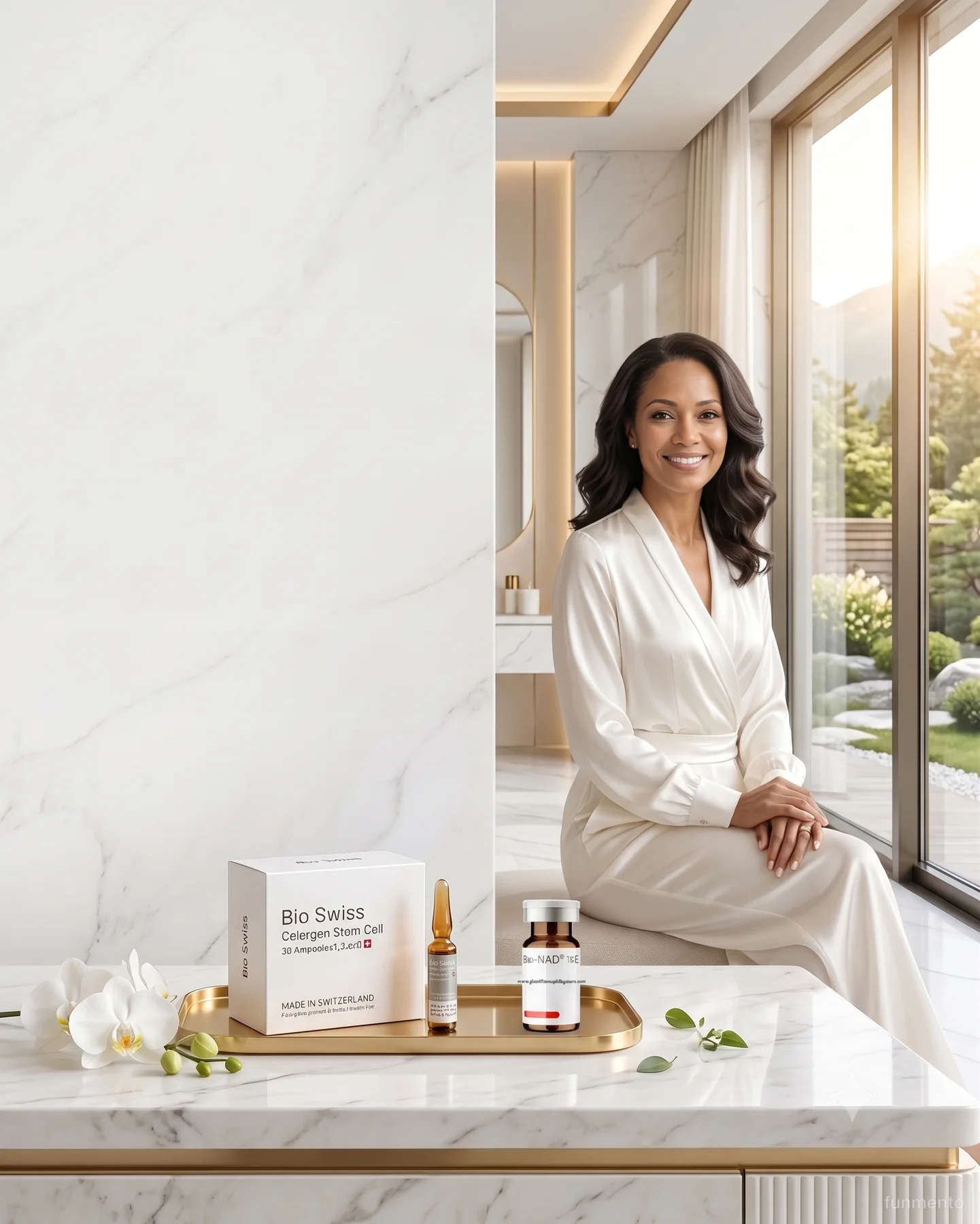
The best products for Melasma
Melasma often appears as brown‑to‑gray patches on the face, especially on the cheeks, forehead, and upper lip. While the condition is harmless, many people seek a brighter‑looking complexion. Choosing products that provide antioxidant support and gentle pigment‑balancing can help support a more even skin tone over time.
Across the United States, United Kingdom, India, the Philippines, South Africa, France, Saudi Arabia, the UAE, Australia, and Sri Lanka, the most commonly recommended product families are: a gentle cleanser, a vitamin C‑rich serum, a niacinamide‑based moisturizer, a broad‑spectrum sunscreen, and a targeted spot treatment containing azelaic or tranexamic acid. Each step works together to maintain skin health while supporting a brighter‑looking appearance.
- Cleanser – removes excess pigment‑forming residues without stripping moisture.
- Serum – delivers concentrated antioxidants such as vitamin C or ferulic acid.
- Moisturizer – reinforces barrier function with niacinamide and hyaluronic acid.
- Sunscreen – provides at least SPF 30 broad‑spectrum protection to guard against UV‑induced darkening.
- Spot treatment – targets stubborn patches with azelaic acid, kojic acid, or tranexamic acid.
When selecting a cleanser, look for formulas that list mild surfactants (e.g., coco‑betaine) and brightening agents like licorice extract. These ingredients may help support a more uniform complexion while keeping the skin comfortable for daily use, which is especially important in humid climates such as the Philippines and Sri Lanka.
| Product type | Key ingredient | Typical usage |
|---|---|---|
| Cleanser | Licorice extract + mild surfactants | Morning & night |
| Serum | Vitamin C (L‑ascorbic acid) + ferulic acid | Morning after cleansing |
| Moisturizer | Niacinamide + hyaluronic acid | Morning & night |
| Sunscreen | Zinc oxide or titanium dioxide (SPF 30‑50) | Every morning, reapply every 2 hours outdoors |
| Spot treatment | Azelaic acid or tranexamic acid | Apply to targeted patches 1‑2 times daily |
A vitamin C serum is often a cornerstone of a melasma‑supportive routine. The antioxidant properties of L‑ascorbic acid may help support a brighter‑looking tone by neutralizing free radicals that can deepen pigment. Pairing the serum with a niacinamide‑rich moisturizer can further reinforce barrier health and reduce the appearance of discoloration.
For spot treatments, azelaic acid (often 10‑15 % concentration) and tranexamic acid are frequently cited in beauty routines across Europe, the Middle East, and Asia. These ingredients may help support a reduction in the visibility of stubborn patches when used under the guidance of a qualified healthcare professional.
- Niacinamide – supports barrier function and may help even skin tone.
- Vitamin C – provides antioxidant support and brightening benefits.
- Azelaic acid – commonly used for its pigment‑balancing properties.
- Tranexamic acid – often included in serums for targeted spot use.
- Kojic acid – a natural extract that may help support a more uniform complexion.
Availability of these products can differ by market. In Australia and South Africa, many of the listed ingredients are found in both pharmacy‑grade and boutique skincare lines. In the UAE and Saudi Arabia, look for formulations that are halal‑certified if that aligns with personal preferences. Always check the ingredient list and consider a patch test before introducing a new product into your routine.

Building a skincare routine for Melasma
Melasma‑related skin discoloration often appears as brown‑gray patches on the face. A consistent routine that respects the skin’s barrier can make the appearance of these patches less noticeable over time. Begin with a cleanser that is free of harsh surfactants and fragrance, allowing the skin to stay comfortable while removing excess oil and environmental debris. Look for formulas that contain soothing botanicals such as oat extract or aloe vera, which help maintain a calm surface after cleansing.
Add antioxidant‑rich brightening steps
Antioxidants may help support an even‑toned complexion by neutralising free radicals that can deepen pigment. Incorporating a serum or lotion that contains these ingredients early in the routine can provide a foundation for brighter‑looking skin while also delivering antioxidant support.
- Vitamin C (ascorbic acid) – known for its antioxidant capacity and brightening potential
- Niacinamide – supports barrier health and may help reduce the look of discoloration
- Licorice root extract – offers gentle antioxidant support and a soothing feel
Consider targeted brightening agents
When the skin is ready for a more focused approach, products containing certain ingredients may help support a brighter‑looking appearance. Below is a quick comparison of three commonly used agents.
| Ingredient | Primary Benefit | Typical Formulation |
|---|---|---|
| Niacinamide | Supports barrier function and may reduce discoloration | Serum or moisturizer |
| Azelaic Acid | Helps support even tone and may calm redness | Cream or gel |
| Tranexamic Acid | May support reduction of visible pigment | Serum or spot‑treatment |
Moisturize and protect the skin barrier
A lightweight moisturizer that includes ceramides or hyaluronic acid can help keep the skin hydrated without feeling heavy. Choose versions that also contain a built‑in sunscreen or apply a separate sunscreen on top. This step helps maintain a healthy‑looking barrier while providing the sun protection needed for brighter‑looking results.
When to seek professional guidance
If over‑the‑counter options are not delivering the desired support, a qualified dermatologist can assess whether prescription‑strength brightening agents or injectable treatments are appropriate. Any injectable product should be administered by qualified healthcare professionals only, and results can vary from person to person.
Melasma: what results to realistically expect
Melasma is a common pigment condition that often appears on the face. When you begin a skincare routine aimed at supporting a more uniform complexion, setting realistic expectations helps keep the experience positive. Most people notice gradual changes rather than an overnight shift, and the pace can differ across the United States, Philippines, United Kingdom, South Africa, France, India, Saudi Arabia, UAE, Australia and Sri Lanka.
Because melasma is tied to melanin production, visible improvements typically emerge after several weeks of consistent use. A 4‑to‑8‑week window is frequently mentioned in user feedback, with the most noticeable shift appearing after the first two months. Patience is key; the skin’s natural renewal cycle means that pigment adjustments happen in stages.
Typical visual cues you may notice
- A softer contrast between the dark patches and surrounding skin
- A reduction in the sharp edges of the patches
- A more radiant overall complexion
- Occasional flare‑ups that settle with continued care
Several factors shape how quickly and how much change you might see. Understanding them can help you align your routine with your personal rhythm.
- Skin tone and genetic background – deeper skin tones may show slower fading
- Sun exposure habits – consistent protection tends to preserve progress
- Product consistency – using the same supportive ingredients each day reinforces results
- Hormonal fluctuations – periods of change can temporarily deepen pigment
| Result level | What it may look like |
|---|---|
| Minimal | Slight softening of pigment edges |
| Moderate | Noticeable lightening of patches with a more even tone |
| Significant | Large areas appear brighter‑looking, though some darker spots may remain |
Remember that results vary from person to person, and the journey is often a series of small steps rather than a single dramatic change. Keeping a routine that supports antioxidant health, staying diligent with sun protection, and adjusting expectations to your own skin’s timeline can lead to a healthier‑looking complexion over time.

Daily habits that help manage Melasma
Melasma often appears in response to a combination of sun exposure, hormonal shifts, and skin‑care choices. While each person’s skin reacts uniquely, a consistent routine that focuses on gentle protection and nourishment can help support a more even, healthy‑looking complexion. The habits below are useful across the United States, Philippines, United Kingdom, South Africa, France, India, Saudi Arabia, UAE, Australia, and Sri Lanka, where climate and lifestyle can influence skin behavior.
Sun protection is the cornerstone of any melasma‑friendly schedule. Broad‑spectrum sunscreen that blocks both UVA and UVB rays should be applied every morning, even on cloudy days, and reapplied throughout the day. Pair sunscreen with physical barriers—wide‑brimmed hats, UV‑protective clothing, and sunglasses—to create a layered defense that may help support skin’s natural resilience.
| Sunscreen factor | Typical active ingredients | When to reapply |
|---|---|---|
| SPF 30‑50 | Zinc oxide, titanium dioxide, octocrylene | Every 2 hours outdoors or after swimming |
| SPF 50+ | Homosalate, avobenzone, octisalate | Every 2 hours, especially in high UV index regions |
| Mineral‑only | Zinc oxide, titanium dioxide | Every 2 hours; ideal for sensitive skin |
Gentle skin‑care helps maintain the skin barrier, reducing irritation that can accentuate pigment irregularities. Choose a mild, sulfate‑free cleanser, follow with a hydrating toner, and finish with a moisturizer that contains ingredients such as niacinamide or hyaluronic acid. These components may help support the skin’s moisture balance and promote a brighter‑looking tone without aggressive exfoliation.
- Cleanse with lukewarm water and a fragrance‑free formula, 2 times daily.
- Pat skin dry—avoid rubbing which can trigger inflammation.
- Apply a lightweight moisturizer within 1 minute of cleansing to lock in hydration.
- Consider a serum with vitamin C or licorice extract for antioxidant support, if tolerated.
- Reserve chemical exfoliants for no more than twice a week, and choose low‑pH formulas.
Lifestyle choices outside the bathroom also influence melasma’s appearance. Adequate sleep, balanced nutrition, and stress management create an internal environment that may help support skin’s uniformity. In regions with high humidity or air‑conditioning, staying hydrated and using a humidifier can helps protect against dryness that leads to over‑production of melanin.
- Aim for 7‑9 hours of sleep each night to aid skin repair.
- Include antioxidant‑rich foods—berries, leafy greens, nuts—in daily meals.
- Limit caffeine and alcohol, which can dehydrate the skin.
- Practice relaxation techniques such as deep breathing or yoga to reduce cortisol spikes.
- Avoid smoking, as it can impair circulation and worsen pigment irregularities.

How to choose the right products for Melasma
Melasma appears as brown‑to‑gray patches that often show up on the cheeks, forehead, and upper lip. It is a frequent concern for people living in sunny climates such as the United States, the Philippines, the United Kingdom, South Africa, France, India, Saudi Arabia, the United Arab Emirates, Australia, and Sri Lanka. While the condition itself does not require medical treatment, many individuals look for topical options that may help support a more even‑toned, brighter‑looking complexion.
- Identify your skin type – oily, combination, dry, or sensitive – because texture and finish affect comfort and absorption.
- Consider local climate – high UV exposure in the Philippines, Saudi Arabia, and Australia calls for strong sunscreen integration, while cooler, less sunny regions like the United Kingdom may prioritize moisturising support.
- Check ingredient regulations – the European Union (including France and the United Kingdom) limits certain concentrations, whereas the United States and Australia have different labeling requirements.
- Match pigment depth – darker skin tones common in India, South Africa, and Saudi Arabia may benefit from ingredients that address deeper melanin, while lighter tones often respond well to brightening antioxidants.
| Ingredient | Primary Benefit | Best For | Typical Form |
|---|---|---|---|
| Niacinamide (Vitamin B3) | Supports barrier function and reduces visible discoloration | All skin types, especially sensitive | Serum or lightweight cream |
| Azelaic Acid | Helps support an even tone and may reduce excess pigment | Oily to combination, moderate to deep pigment | Gel or cream |
| Vitamin C (L‑Ascorbic Acid) | Antioxidant support for brighter‑looking skin | Normal to dry, early‑stage melasma | Serum |
| Licorice Root Extract | Supports reduction of dark spots with gentle action | Darker skin tones, sensitive | Cream or lotion |
| Broad‑Spectrum SPF 30‑50 | helps protect against UV‑induced pigment darkening | All users, especially in high‑sun regions | Sunscreen lotion or fluid |
When building a routine, think of each step as a layer that works together. A typical morning sequence might start with a gentle cleanser, followed by a brightening serum (niacinamide or vitamin C), then a moisturizer that contains licorice extract, and finish with a broad‑spectrum sunscreen. In the evening, a soothing cream with azelaic acid can be added after cleansing, allowing the skin to benefit from pigment‑supporting ingredients while you sleep.
- 1Cleanse with a pH‑balanced, fragrance‑free cleanser.
- 2Apply a targeted brightening serum (2‑3 drops) to the entire face, focusing on melasma‑prone areas.
- 3Layer a moisturizer that includes antioxidant or botanical extracts.
- 4Seal the routine with SPF 30‑50 sunscreen, reapplying every two hours when outdoors.
- 5At night, repeat cleansing, then use an azelaic‑acid‑based cream if tolerated.
Product availability differs by market. In the United States and Australia, many over‑the‑counter brands offer niacinamide serums and vitamin‑C formulations. In the Philippines, India, and Saudi Arabia, local beauty stores often carry licorice‑based creams that are formulated for warmer climates. European shoppers (France, United Kingdom) may prefer products that meet EU cosmetic standards, while South African and Sri Lankan consumers frequently rely on pharmacy‑stocked options that combine sunscreen with pigment‑supporting actives.
| Start Simple | Choose one active (niacinamide, vitamin C, or azelaic acid) and add others gradually. |
| Sun Protection | Use SPF daily; reapply after swimming or sweating. |
| Consistency | Visible improvements often appear after 8‑12 weeks of regular use. |
| Professional Advice | Consult a dermatologist or licensed aesthetician for personalized recommendations, especially if you have sensitive skin or are using prescription‑strength products. |

When to see a professional about Melasma
Melasma often appears as dark, irregular patches on the face, and its pattern can shift with changes in sun exposure, hormones, or skincare habits. While many people manage the appearance at home, a qualified healthcare professional can provide a personalized assessment that helps clarify underlying factors and suggest safe, evidence‑based options for brighter‑looking skin.
Consider scheduling an appointment if any of the following situations apply to you. Early professional input can helps protect against frustration and ensure that any chosen products or procedures are appropriate for your skin type and cultural context.
- The patches have expanded rapidly over weeks or months.
- You notice new areas of discoloration beyond the typical facial zones.
- Standard over‑the‑counter formulas have not produced noticeable improvement after several months.
- You experience irritation, itching, or burning after using topical products.
- You are pregnant, planning pregnancy, or undergoing hormonal therapy.
- You have a history of skin sensitivity or allergic reactions to cosmetic ingredients.
During a professional visit, you can expect a thorough skin assessment that may include a review of your medical history, lifestyle factors, and any current skincare regimen. The practitioner will discuss realistic expectations, explain how certain ingredients may support pigment balance, and outline next steps—whether that means a tailored topical routine, a recommendation for a qualified specialist, or a referral for further evaluation.
| Self‑managed actions | When a professional adds value |
|---|---|
| Daily sunscreen, gentle cleanser, antioxidant serum | Rapid spread of patches or new areas appearing |
| Over‑the‑counter brightening creams | Persistent irritation or lack of visible change after 12 weeks |

How to make sure your product is real
Counterfeits exist in this category. Here's how to protect yourself, and how we guarantee what you buy.
How to spot a genuine product
- Check the safety seals and packaging are intact and factory-sealed — never accept a broken or resealed box.
- Look for a batch or serial code on the box, and make sure it matches the code on the vial or sachet.
- Buy only from authorised sellers — not random social-media resellers or unverified marketplaces.
- Be wary of prices far below the market: a huge discount often means a fake or a refill.
Our authenticity guarantee
100% authentic
Every item is genuine, sourced through authorised channels — never imitations or refills.
Sealed & verified
Products arrive factory-sealed, with intact safety seals and batch codes you can check.
Quality reviewed
Each listing is checked against our standards before it goes on sale.
Genuine or money back
If a product isn't authentic, we'll make it right — full refund, no hassle.
Frequently asked questions (8)
Can glutathione help with Melasma?
How long does it take to see improvement in Melasma?
What is the best product for Melasma?
Does Melasma go away on its own?
What daily habits help with Melasma?
Should I see a dermatologist for Melasma?
Does sunscreen help with Melasma?
Which glutathione form is best for Melasma?
Kept fresh, not forgotten
This is an evergreen guide. Instead of posting a new dated article every month, we keep this page and refresh it as the market changes — so the link you bookmark always has the current answer.
What we re-check every update
- Rankings — re-scored against the latest real customer demand.
- Prices — refreshed so every figure matches checkout.
- Ratings — pulled live from verified buyers.
- Products — new arrivals added, discontinued items removed.
- Safety & regulatory info — reviewed against current advisories.
Keep exploring
Jump straight to a product, browse a category, or read a related guide.
This guide is general information, not medical advice. Results vary from person to person. Follow each product's label, and have injectable products administered by a licensed professional.