Ingredient
Alpha Lipoic Acid
The antioxidant often paired with glutathione, explained.
Short answer: Snow White Trio Korean Glutathione IV Set is our top overall pick — chosen from real, verified customer purchases, not paid placements.
By The Funmento Team, Health & Beauty Editors · Updated July 2026 · 13 min read
Top picks at a glance
Ranked by real sales- 1Best overallSnow White Trio Korean Glutathione IV Set$163.64★ 4.3 · Bestseller
- 2Best valueCindella Inj. IV. Thioctic Acid 25mgt/5ml$54.55★ 4.3 · Very popular
Ranked by real, verified purchases — not paid placements.
How the top picks compare
Every recommendation side by side — ranked by real customer demand, with price and who each one suits best.
| # | Product | Price | Rating | Popularity | Best for | Shop |
|---|---|---|---|---|---|---|
| 1 | Snow White Trio Korean Glutathione IV SetBest overall | $163.64 | ★ 4.3 | Bestseller | — | Shop |
| 2 | Cindella Inj. IV. Thioctic Acid 25mgt/5mlBest value | $54.55 | ★ 4.3 | Very popular | — | Shop |
Popularity reflects verified customer demand on Funmento. Prices shown in USD; final price and availability confirmed at checkout.
Why these are our top picks
Each pick reviewed — what it is, who it suits — ranked by real customer demand.
 1
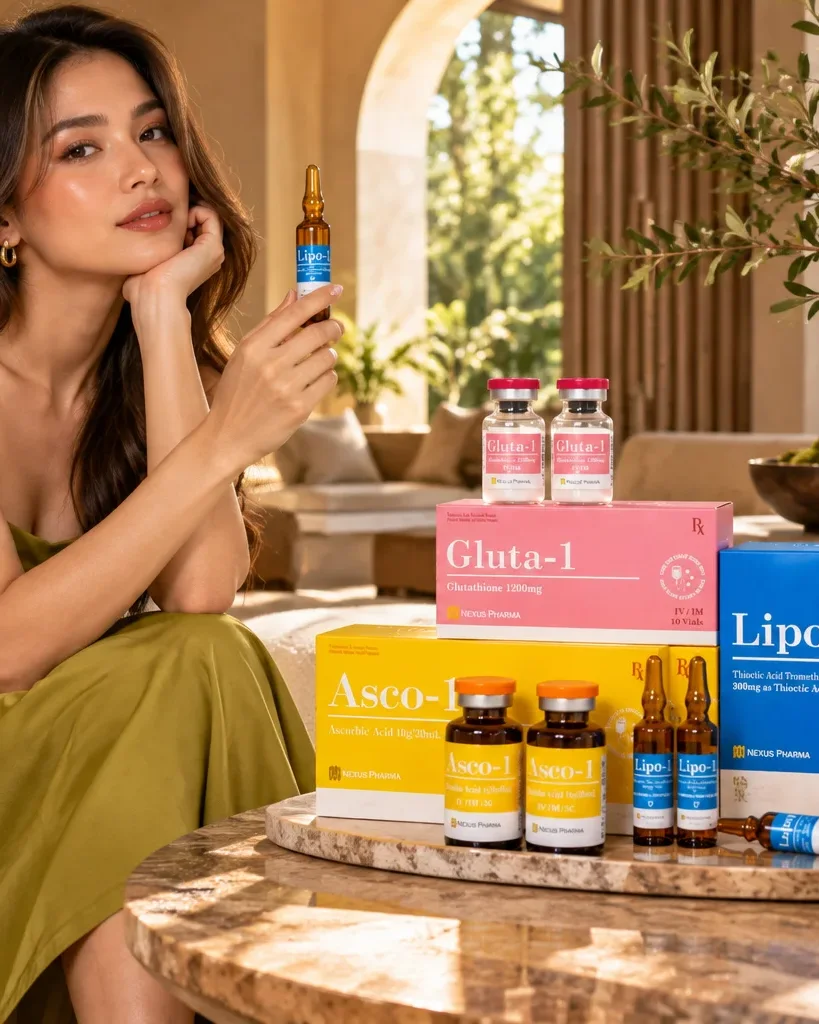
1Snow White Trio Korean Glutathione IV Set
A customer favourite — rated 4.3 by verified buyers.
Shop Snow White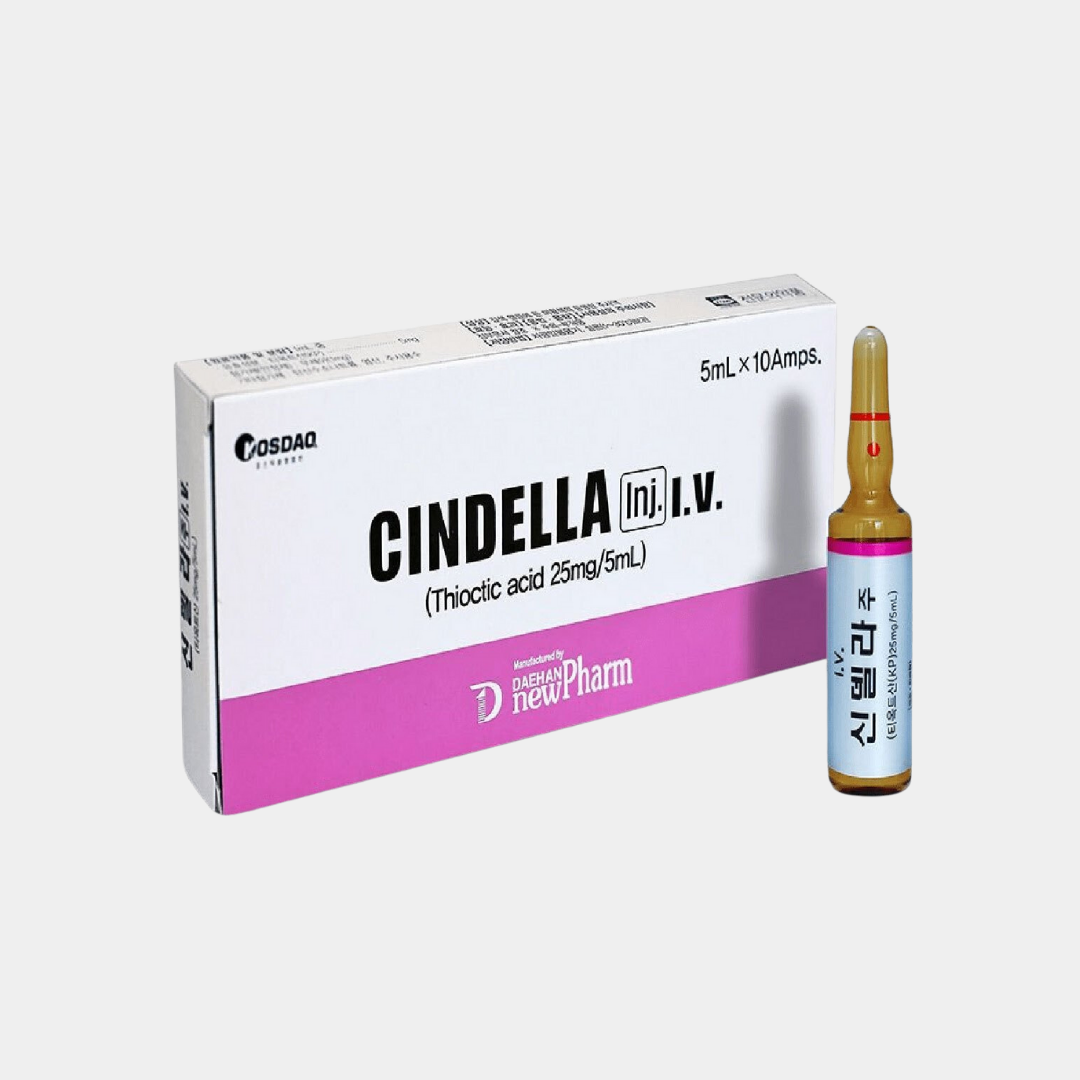 2
2Cindella Inj. IV. Thioctic Acid 25mgt/5ml
A customer favourite — rated 4.3 by verified buyers.
Shop CindellaWhich one is right for you?
Skip the research — pick by what matters most to you. Each is a real customer favourite for that need.
How we ranked these products
This guide isn't pay-to-play. Here's exactly how the ranking is decided — and how it stays honest.
Real customer demand
We rank by verified purchases from real customers worldwide — not sponsored placements or ad spend.
Verified-buyer ratings
Star ratings come only from customers who actually bought and received the product.
Ingredients & form
We assess what's in each product and how it's delivered — injectable, oral or a full set.
Authenticity checked
Every product is verified authentic before it's listed — and you can check your own below.
Reviewed monthly
Rankings are re-checked and refreshed every month so this guide stays current.
Reviewed by The Funmento Team · Updated July 2026. We never accept payment for placement — the ranking reflects real customer behaviour, not who paid the most.
What is Alpha Lipoic Acid and how does it work?
Alpha Lipoic Acid (ALA) is a naturally occurring compound that functions as a co‑factor in the mitochondria, the energy‑producing centers of cells. It is found in small amounts in foods such as spinach, broccoli, and organ meats, and it can also be taken as a dietary supplement.
Chemically, ALA exists as two mirror‑image forms: R‑ALA (the naturally occurring version) and S‑ALA (the synthetic counterpart). The R‑form is often highlighted for its higher bioavailability, though both forms share the core antioxidant properties that make ALA a popular ingredient in wellness and beauty routines.
The primary way ALA supports the body is through its antioxidant activity. It can neutralise free radicals in both water‑soluble and fat‑soluble environments, helping to protect cells from oxidative stress. In addition, ALA has the ability to regenerate other antioxidants, such as vitamin C and vitamin E, extending their protective effects.
- Scavenges reactive oxygen species across cellular compartments
- Recycles vitamin C, vitamin E, and glutathione for continued antioxidant support
- Participates in mitochondrial energy production by assisting key enzyme complexes
- May help support a healthy‑looking complexion when used in topical formulas
Beyond its antioxidant role, ALA contributes to cellular energy metabolism. It acts as a co‑enzyme for the pyruvate dehydrogenase complex, a key step that converts nutrients into usable energy (ATP). This function underpins the broader perception of ALA as a vitality‑boosting ingredient.
When incorporated into beauty routines, ALA is commonly found in serums and creams designed for brighter‑looking skin. Its ability to work in both aqueous and lipid phases makes it a versatile addition to formulations that aim to provide antioxidant support while promoting a smoother surface texture.
| Form | Source | Typical Use in Products |
|---|---|---|
| R‑Alpha Lipoic Acid | Naturally occurring; extracted from plant sources | Often highlighted in premium supplements and anti‑aging skincare |
| S‑Alpha Lipoic Acid | Synthetic; produced via chemical synthesis | Found in many standard supplement blends and functional foods |
Results vary from person to person, and the degree of antioxidant support may depend on factors such as formulation, dosage, and individual lifestyle. For those interested in adding ALA to their routine, it is advisable to choose products that clearly state the form of ALA and to follow the manufacturer’s guidance.
Overall, Alpha Lipoic Acid offers a multifaceted approach to cellular health: it helps protect cells from oxidative challenges, supports the recycling of other antioxidants, and participates in the core processes that generate cellular energy. These combined actions contribute to the growing interest in ALA across supplement, skincare, and functional food markets worldwide.

The key benefits of Alpha Lipoic Acid for skin and overall health
Alpha lipoic acid (ALA) is a naturally occurring antioxidant that is found in small amounts in many foods and is also produced by the body. Because it works in both water‑ and fat‑soluble environments, it can help protect cells throughout the body from oxidative stress. In skin‑care routines, ALA is valued for its ability to support a smoother appearance and a more even tone, while at a systemic level it contributes to the maintenance of healthy‑looking energy metabolism.
When used in topical formulations, ALA can penetrate the outer layers of the skin and reach deeper cells where it continues to provide antioxidant support. This dual‑phase activity helps to maintain a youthful‑looking texture and may assist in reducing the appearance of fine lines caused by everyday environmental exposure.
- Promotes antioxidant defense that may help protect skin from environmental aggressors
- Supports the regeneration of other antioxidants such as vitamin C and vitamin E
- Helps maintain the integrity of collagen and elastin for a supple, healthy‑looking texture
- Assists in preserving the skin barrier, which can lead to a smoother, more hydrated feel
- May contribute to a brighter‑looking complexion by reducing oxidative discoloration
- Supports systemic antioxidant capacity that can influence overall vitality
The way ALA works is tied to its unique chemical structure. It can recycle other antioxidants such as vitamin C and vitamin E, extending their activity. By neutralizing free radicals in both aqueous and lipid layers, it helps maintain the integrity of collagen and elastin fibers, which are key to a supple texture. This dual‑phase activity also supports the skin’s barrier function, making it more resilient to dryness and visible signs of fatigue.
| Form | Typical Use | Key Benefit |
|---|---|---|
| Oral supplement | Taken daily as part of a balanced regimen | Supports systemic antioxidant capacity |
| Topical serum | Applied to clean skin 1–2 times daily | Helps support a brighter‑looking complexion |
Beyond the skin, ALA’s role in cellular energy pathways may help support a healthy‑looking level of daily stamina. By participating in the conversion of nutrients into usable energy, it can assist the body’s natural processes that keep you feeling active and balanced throughout the day.
Results vary from person to person, and the most effective approach often combines a balanced diet, consistent skin‑care habits, and lifestyle choices that promote overall well‑being. When integrated thoughtfully, Alpha lipoic acid can be a valuable component of a routine that aims to nurture both the skin’s appearance and the body’s everyday vitality.

Alpha Lipoic Acid: oral vs injectable forms compared
Alpha lipoic acid (ALA) is a naturally occurring antioxidant found in both oral capsules and injectable solutions. In the United States, United Kingdom, Australia and other markets, oral ALA is sold as a dietary supplement, while injectable ALA is typically reserved for administration by qualified healthcare professionals. Both formats deliver the same molecule, but the way the body processes it can differ, influencing how it may support antioxidant balance and skin‑looking vitality.
Choosing oral ALA means taking a product by mouth, absorbed through the gastrointestinal tract, then entering the bloodstream. The convenience of a capsule or tablet makes it popular for daily routines in the Philippines, India, Saudi Arabia and South Africa. Injectable ALA bypasses the digestive system and appears directly in circulation, offering a quicker presence that is sometimes preferred in clinical‑grade beauty protocols in France, UAE and Sri Lanka.
Key Comparison Points
| Aspect | Oral (Capsule/Tablets) | Injectable (IV/IM) |
|---|---|---|
| Absorption Speed | Gradual rise after digestion | Rapid rise after administration |
| Typical Use Setting | Self‑administered at home | Clinic or professional setting |
| Regulatory Pathway | Dietary supplement classification | Medical‑grade product for professionals |
| Shelf Life | Stable at room temperature | Requires refrigerated storage |
| Common Formulation | Powder blended with excipients | Sterile solution for IV/IM use |
- Desired speed of antioxidant presence
- Convenience of self‑administration
- Access to qualified professionals
- Local regulatory classification
- Cost and frequency of use
Because oral ALA travels through the digestive tract, its peak concentration may appear later than with an injectable dose. This delayed profile can be useful for those who prefer steady, prolonged support throughout the day, especially when paired with other oral supplements such as vitamin C or co‑enzyme Q10. Injectable ALA delivers a rapid rise in plasma levels, which can be advantageous for short‑term skin‑brightening sessions or for professionals seeking a quick antioxidant boost before a procedure.
Availability varies by region. In the United States and Australia, oral ALA is widely available in health‑food stores and online, while injectable versions are typically stocked only by clinics and pharmacies serving licensed practitioners. In the Philippines and India, oral forms dominate the market, whereas the United Arab Emirates and France see some premium clinics offering injectable ALA as part of aesthetic service menus. Knowing the local landscape helps you choose the format that aligns with your routine and budget.
Ultimately, the choice between oral and injectable ALA depends on personal preference, lifestyle, and the level of professional guidance you seek. Both formats may help support a healthy‑looking complexion and provide antioxidant support, but the experience and logistics differ. Reviewing the comparison above can guide you toward the option that fits your goals and the regulations of your country.
How much Alpha Lipoic Acid should you take, and how often?
Alpha‑lipoic acid (ALA) is sold as a dietary supplement in many countries, and the amount that appears on a label can differ widely. In the United States, Canada, the United Kingdom, Australia and the European Union, most products list between 100 mg and 600 mg per capsule or tablet. In Asian markets such as India, the Philippines, and Saudi Arabia, you’ll often see 150 mg to 300 mg per serving. Because individual needs vary, the best starting point is the amount the manufacturer recommends on the product label, and then adjusting under the guidance of a qualified healthcare professional.
- 100 mg – 200 mg taken once daily for general antioxidant support.
- 200 mg – 300 mg split into two doses (morning and evening) when aiming for broader skin‑looking benefits.
- 400 mg – 600 mg divided across the day, commonly used by athletes or people who want stronger metabolic‑support claims.
Timing can influence how ALA is absorbed. Many experts suggest taking it on an empty stomach—about 30 minutes before a meal or two hours after eating—to help maintain consistent antioxidant activity. If you experience mild stomach discomfort, splitting the dose with a small snack may improve comfort without compromising the overall benefit.
| Region | Typical label range (mg) | Common dosing pattern |
|---|---|---|
| United States / Canada | 100 – 600 | Once daily or split 2× |
| United Kingdom / Australia | 150 – 500 | Once daily or split 2× |
| Philippines / India | 150 – 300 | Once daily |
| Saudi Arabia / UAE | 200 – 400 | Split 2× |
| South Africa / France | 100 – 250 | Once daily |
Results vary from person to person, and the most reliable way to gauge the right amount is to monitor how you feel over a few weeks. If you notice any unusual sensations—such as persistent tingling, dizziness, or digestive upset—pause the supplement and seek advice from a qualified healthcare professional. Remember, ALA is a supportive ingredient, not a supports‑all, and its role is to complement a balanced diet and lifestyle.
In summary, most commercial ALA products fall within a 100 mg to 600 mg range per day, with the choice of once‑daily or split dosing depending on personal tolerance and the specific support you are looking for. Align your intake with the label’s guidance, respect your body’s signals, and keep a qualified professional in the loop for the safest and most effective experience.

How long does Alpha Lipoic Acid take to show results?
Alpha‑lipoic acid (ALA) is a naturally occurring antioxidant that many people include in their daily wellness routine. Because it works at a cellular level, the time it takes to notice any change can differ from person to person. Understanding the typical timeline helps set realistic expectations.
Most users report the first subtle signs within the first two weeks, especially when ALA is paired with a balanced diet and regular skin‑care habits. These early cues often involve a brighter‑looking complexion or a feeling of increased energy, which are common indicators of antioxidant support.
If you are looking for more noticeable skin benefits—such as a healthier‑looking tone or smoother texture—many people notice a shift after 4‑6 weeks of consistent use. Patience is key, as the antioxidant works gradually to protect cells from oxidative stress.
A few factors can influence how quickly you see results:
- Baseline antioxidant levels in your body
- Overall diet quality and hydration
- Frequency of use (daily vs. occasional)
- Lifestyle habits such as sleep and stress management
- Individual skin type and sensitivity
Below is a quick reference that outlines typical observation windows reported by users across the United States, United Kingdom, India, and other key markets.
| Observation Window | Commonly Noted Benefits |
|---|---|
| 0‑2 weeks | Brighter‑looking skin, subtle energy lift |
| 3‑4 weeks | More even skin tone, reduced appearance of fine lines |
| 5‑6 weeks | Healthy‑looking complexion, enhanced antioxidant support |
| 7+ weeks | Sustained skin resilience, continued vitality |
Remember, results vary from person to person. If you are unsure how ALA fits into your personal routine, consider consulting a qualified healthcare professional for personalized guidance.
Overall, most people see the first signs of benefit within two weeks and more pronounced changes after a month or two of regular use. Maintaining consistency, staying hydrated, and protecting your skin from excessive sun exposure can help support the antioxidant’s natural role.

Alpha Lipoic Acid side effects and safety: what to know
Alpha lipoic acid (ALA) is a naturally occurring antioxidant that many people incorporate into daily routines for its potential to support a healthy‑looking complexion and overall vitality. While it is generally well tolerated, understanding its safety profile helps you make an informed choice that aligns with your personal health goals.
When adding ALA to your regimen, consider the source and purity of the product. Look for reputable brands that provide transparent ingredient lists and avoid formulations that claim extraordinary results. Because ALA can interact with certain nutrients, it’s wise to review your existing supplement stack and keep a record of any changes you notice after starting.
Most users report only mild, temporary sensations. Below is a quick snapshot of side effects that have been observed in everyday use. Remember, experiences vary from person to person, and any unusual reaction should prompt a pause and a conversation with a qualified healthcare professional.
- A mild, warm sensation on the skin
- Occasional digestive discomfort such as mild nausea
- Brief headache that resolves on its own
- Slightly increased thirst or urination
- Temporary metallic taste in the mouth
Special populations—such as pregnant or nursing individuals, children, and people with known sensitivities—should approach ALA with extra caution. Because scientific data on these groups is limited, it is recommended to seek guidance from a qualified healthcare professional before beginning any new supplement routine.
| Side‑effect category | Typical description | When to pause |
|---|---|---|
| Mild | Warm skin feeling, brief metallic taste | If it lasts more than 48 hours |
| Moderate | Persistent nausea, headache, or increased thirst | If symptoms continue for a week |
| When to pause use | If any side effect becomes uncomfortable, lasts longer than a few days, or interferes with daily activities. |
| When to consult a professional | If you are pregnant, nursing, have a known sensitivity, or experience symptoms that do not resolve after pausing. |
Overall, alpha lipoic acid can be a supportive addition to a balanced lifestyle when used mindfully. By paying attention to how your body responds and staying in touch with qualified healthcare professionals, you can enjoy its antioxidant benefits while minimizing any unwanted surprises.

Can you take Alpha Lipoic Acid with vitamin C?
Alpha‑lipoic acid (ALA) is a naturally occurring antioxidant that works in both water‑ and fat‑based environments. Vitamin C, another well‑known antioxidant, is water‑soluble and helps recycle other antioxidants back to their active forms. Because both compounds support the body’s oxidative balance, many people wonder whether taking them together can boost overall antioxidant support.
When ALA and vitamin C are present at the same time, they can complement each other. ALA helps regenerate vitamin C after it has neutralised free radicals, while vitamin C can help maintain ALA in its reduced, active state. This mutual recycling may help support healthy‑looking skin and a brighter‑looking complexion, especially for those who include both ingredients in daily beauty or wellness routines.
Practical pairing tips are useful for maximizing the synergy without causing mild stomach discomfort, which some people experience with ALA on an empty stomach. Taking ALA with a small amount of food—especially a meal that contains some healthy fats—can improve its absorption. Vitamin C is readily absorbed on its own, so it can be taken at the same time or a short while later, depending on personal preference.
- Consider taking ALA with a snack that includes a source of healthy fat.
- Vitamin C can be taken with water or alongside the same meal.
- If you notice occasional stomach unease, separate the doses by 30‑60 minutes.
- Stay hydrated; both antioxidants are water‑soluble and benefit from adequate fluid intake.
Results can vary from person to person, so it’s wise to start with a modest amount of each supplement and observe how you feel. If you have any underlying health considerations or take prescription medication, consult a qualified healthcare professional before adding new supplements to your routine.
| Feature | Alpha‑Lipoic Acid | Vitamin C |
|---|---|---|
| Solubility | Both water‑ and fat‑soluble | Water‑soluble |
| Primary role | Antioxidant recycling | Direct antioxidant |
| Typical use | Supports metabolic health, skin appearance | Supports immune health, skin brightness |

Alpha Lipoic Acid price and value: what to expect
When you shop for Alpha Lipoic Acid (ALA) you’ll notice a range of price points that reflect formulation style, capsule count, and regional taxes. In the United States, a 60‑capsule bottle typically sits between $12 and $20, while in the United Kingdom the same size often costs £10‑£18. Prices in emerging markets such as India or the Philippines can be lower, but it’s worth checking that the product lists the full‑spectrum ALA ingredient rather than a blend with fillers.
Value isn’t only about the sticker price; it’s also about the confidence you have in the source. Reputable brands often use a “standardized” ALA content of 100 mg per capsule, and they may provide a third‑party certificate of analysis (COA) that confirms purity. When a label mentions “non‑GMO” or “vegan‑friendly” you can expect fewer unnecessary additives, which can be a plus for those who keep their supplement routine clean and simple.
| Country | Typical price (60 caps) | Currency | Notes |
|---|---|---|---|
| United States | 12‑20 | USD | Widely available online and in health stores |
| United Kingdom | 10‑18 | GBP | Often sold in organic pharmacies |
| Australia | 15‑22 | AUD | Some brands offer a 90‑capsule option |
| Canada | 13‑19 | CAD | Look for COA on retailer site |
| India | 300‑600 | INR | Check for “full‑spectrum” claim |
| Philippines | 350‑550 | PHP | Local distributors may bundle with other antioxidants |
| South Africa | 180‑250 | ZAR | Retail price may include import duty |
| France | 11‑16 | EUR | Often labeled as “dietary supplement” |
| UAE | 45‑70 | AED | Online marketplaces frequently list bulk discounts |
| Saudi Arabia | 50‑75 | SAR | Look for Arabic‑language label compliance |
If you’re budgeting, consider buying in bulk or choosing a larger bottle size; many vendors offer a modest discount when you move from a 60‑capsule to a 120‑capsule container. Remember that “results vary from person to person,” so the most economical choice is the one that fits your routine and gives you confidence in the ingredient’s integrity.
- Check for a transparent ingredient list – no hidden fillers.
- Look for a COA or third‑party testing badge.
- Compare price per milligram of ALA to gauge true value.
- Read customer reviews for insights on capsule size and taste.

How to make sure your product is real
Counterfeits exist in this category. Here's how to protect yourself, and how we guarantee what you buy.
How to spot a genuine product
- Check the safety seals and packaging are intact and factory-sealed — never accept a broken or resealed box.
- Look for a batch or serial code on the box, and make sure it matches the code on the vial or sachet.
- Buy only from authorised sellers — not random social-media resellers or unverified marketplaces.
- Be wary of prices far below the market: a huge discount often means a fake or a refill.
Our authenticity guarantee
100% authentic
Every item is genuine, sourced through authorised channels — never imitations or refills.
Sealed & verified
Products arrive factory-sealed, with intact safety seals and batch codes you can check.
Quality reviewed
Each listing is checked against our standards before it goes on sale.
Genuine or money back
If a product isn't authentic, we'll make it right — full refund, no hassle.
Frequently asked questions (8)
Is Alpha Lipoic Acid safe?
How long until I see results from Alpha Lipoic Acid?
Should I take Alpha Lipoic Acid orally or by injection?
Can I take Alpha Lipoic Acid with vitamin C?
How much Alpha Lipoic Acid should I take?
Who should avoid Alpha Lipoic Acid?
Does Alpha Lipoic Acid really work for skin?
How do I know if my Alpha Lipoic Acid is authentic?
Kept fresh, not forgotten
This is an evergreen guide. Instead of posting a new dated article every month, we keep this page and refresh it as the market changes — so the link you bookmark always has the current answer.
What we re-check every update
- Rankings — re-scored against the latest real customer demand.
- Prices — refreshed so every figure matches checkout.
- Ratings — pulled live from verified buyers.
- Products — new arrivals added, discontinued items removed.
- Safety & regulatory info — reviewed against current advisories.
Keep exploring
Jump straight to a product, browse a category, or read a related guide.
Shop the top picks
Snow White Trio Korean Glutathione IV SetCindella Inj. IV. Thioctic Acid 25mgt/5mlShop by category
GlutathioneThis guide is general information, not medical advice. Results vary from person to person. Follow each product's label, and have injectable products administered by a licensed professional.