Brand
Kojic Acid Benefits
Kojic acid's gentle brightening power.
Short answer: Kojic W/ Glutathione Whitening Beauty Soap 2x 135g (270grams) is our top overall pick — chosen from real, verified customer purchases, not paid placements. Kojic acid is a naturally derived antioxidant commonly used in beauty routines to help support a brighter‑looking complexion. It works by gently inhibiting melanin production, which may reduce the appearance of dark spots and promote more even skin tone with regular use.
By The Funmento Team, Health & Beauty Editors · Updated July 2026 · 13 min read

Top picks at a glance
Ranked by real sales- 1Best overallKojic W/ Glutathione Whitening Beauty Soap 2x 135g (270grams)$3.82★ 4.7 · Bestseller
- 2Best valueWhitening Soap With Papaya And Kojic Acid By Ysa Botanica 100g$2.18★ 4.6 · Very popular
- 3Most popularKojic Soap W/ Glutathione By Cy Gabriel 135g$5.09★ 4.6 · Very popular
Ranked by real, verified purchases — not paid placements.
How the top picks compare
Every recommendation side by side — ranked by real customer demand, with price and who each one suits best.
| # | Product | Price | Rating | Popularity | Best for | Shop |
|---|---|---|---|---|---|---|
| 1 | Kojic W/ Glutathione Whitening Beauty Soap 2x 135g (270grams)Best overall | $3.82 | ★ 4.7 | Bestseller | — | Shop |
| 2 | Whitening Soap With Papaya And Kojic Acid By Ysa Botanica 100gBest value | $2.18 | ★ 4.6 | Very popular | — | Shop |
| 3 | Kojic Soap W/ Glutathione By Cy Gabriel 135gMost popular | $5.09 | ★ 4.6 | Very popular | — | Shop |
Popularity reflects verified customer demand on Funmento. Prices shown in USD; final price and availability confirmed at checkout.
Why these are our top picks
Each pick reviewed — what it is, who it suits — ranked by real customer demand.
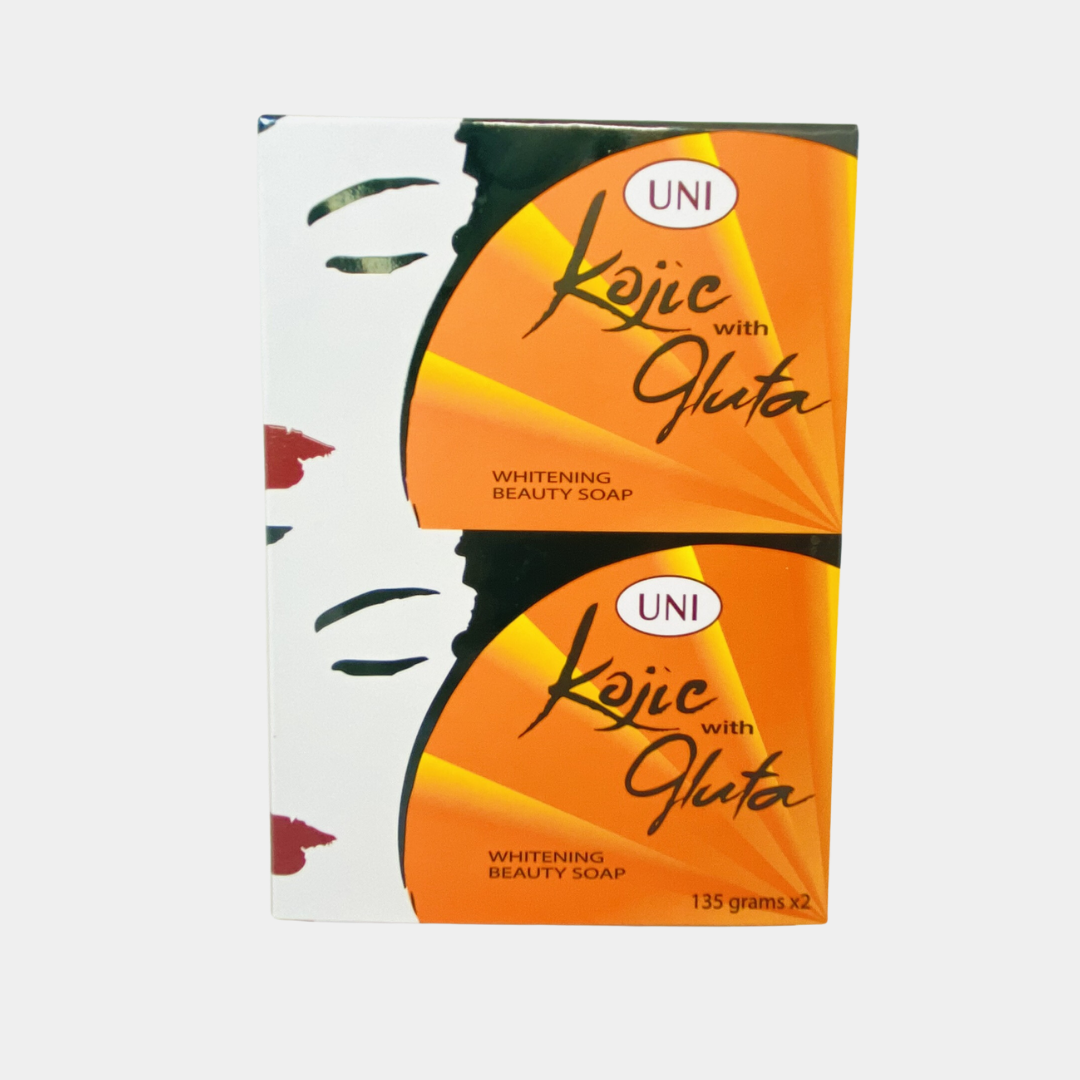 1
1Kojic W/ Glutathione Whitening Beauty Soap 2x 135g (270grams)
3 units sold across 1 orders — rated 4.7 by verified buyers.
Shop Kojic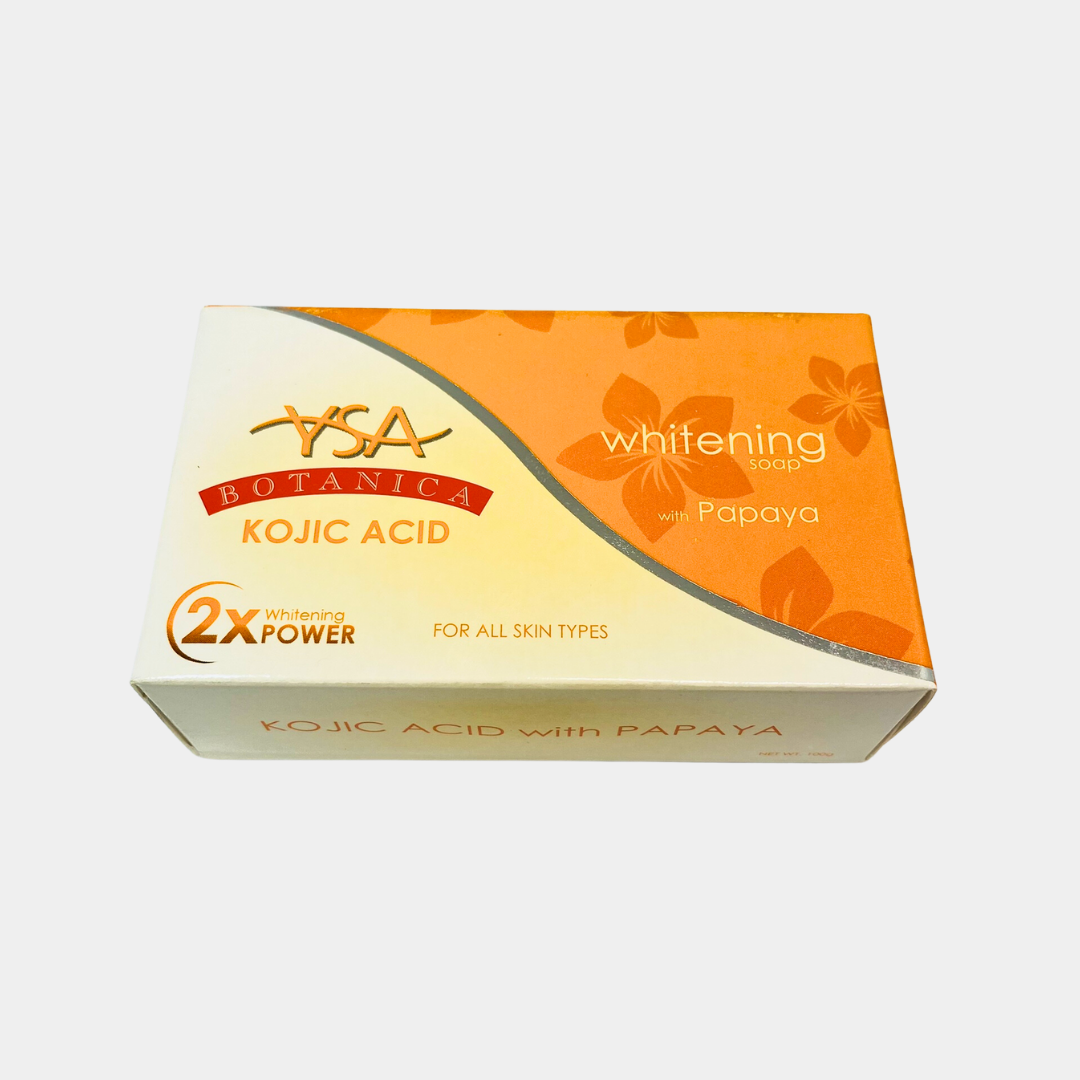 2
2Whitening Soap With Papaya And Kojic Acid By Ysa Botanica 100g
3 units sold across 1 orders — rated 4.6 by verified buyers.
Shop Ysa Botanica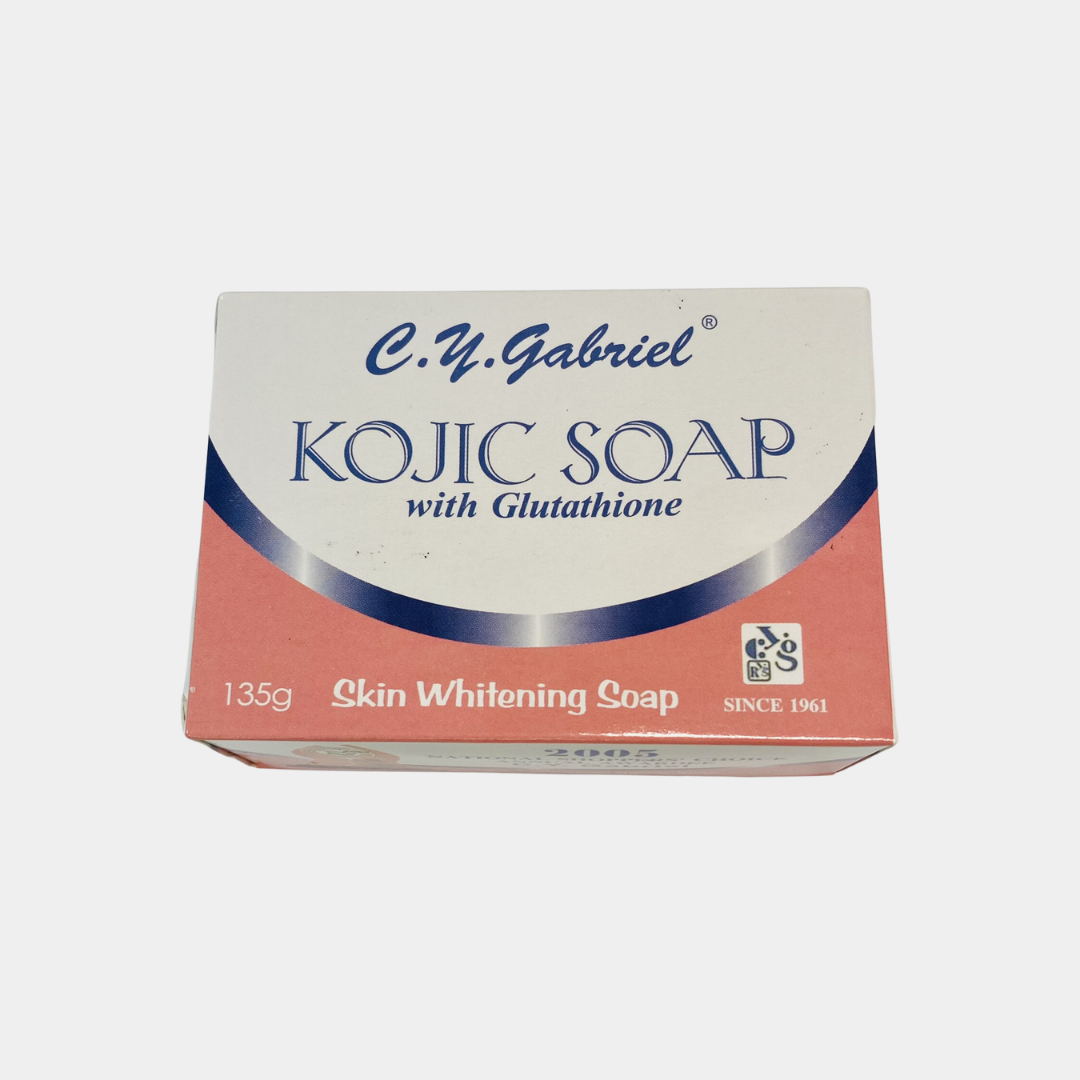 3
3Kojic Soap W/ Glutathione By Cy Gabriel 135g
A customer favourite — rated 4.6 by verified buyers.
Shop Cy GabrielWhich one is right for you?
Skip the research — pick by what matters most to you. Each is a real customer favourite for that need.
How we ranked these products
This guide isn't pay-to-play. Here's exactly how the ranking is decided — and how it stays honest.
Real customer demand
We rank by verified purchases from real customers worldwide — not sponsored placements or ad spend.
Verified-buyer ratings
Star ratings come only from customers who actually bought and received the product.
Ingredients & form
We assess what's in each product and how it's delivered — injectable, oral or a full set.
Authenticity checked
Every product is verified authentic before it's listed — and you can check your own below.
Reviewed monthly
Rankings are re-checked and refreshed every month so this guide stays current.
Reviewed by The Funmento Team · Updated July 2026. We never accept payment for placement — the ranking reflects real customer behaviour, not who paid the most.
Key takeaways
- Derived from natural sources such as mushrooms and fermented rice.
- Functions as an antioxidant that may support skin tone uniformity.
- Often incorporated into serums, creams, and soaps for daily use.
- May help diminish the visibility of existing dark spots over time.
- Generally well‑tolerated, but patch testing is recommended for sensitive skin.
What is Kojic? A complete brand overview
Kojic acid is a naturally occurring organic compound most commonly identified in certain species of fungi, such as Aspergillus and Penicillium. First isolated in the early 1900s, it gained attention in the beauty industry for its ability to influence skin’s appearance. Chemically, it belongs to the family of aromatic carboxylic acids and appears as a pale yellow powder that is soluble in water and alcohol.
Today, kojic acid reaches the consumer market through two main pathways: fermentation‑derived extracts and laboratory‑synthesized powder. Fermentation uses controlled growth of the native fungi to harvest the active ingredient, while synthesis replicates the molecular structure for consistency. In most over‑the‑counter skincare products, the ingredient is used at concentrations ranging from 0.5 % to 2 %, a level that balances efficacy with tolerability.
How Kojic Works in Skincare
Kojic acid functions primarily as an antioxidant and a mild melanin‑modulating agent. By scavenging free radicals, it may help support the skin’s natural defense mechanisms, which can contribute to a healthier‑looking complexion. Its ability to gently interfere with the enzymatic steps that produce melanin means it can support a brighter‑looking tone when used consistently alongside other routine ingredients.
- Supports brighter‑looking complexion
- Provides antioxidant support
- May help reduce the appearance of uneven pigmentation
- Works well with a variety of skin types
Kojic acid is incorporated into many cosmetic vehicles, allowing users to pick a format that matches their routine. Common formats include lightweight serums for rapid absorption, moisturising creams that provide overnight support, sheet masks that deliver a concentrated burst, and cleansing bars that add a subtle brightening step to daily washing.
While kojic acid is generally well tolerated, a small proportion of users may notice mild tingling or redness, especially at higher concentrations. Performing a 48‑hour patch test on a discreet area of skin is a practical way to gauge personal tolerance before broader application. If irritation persists, discontinue use and consult a qualified skincare professional.
Regulatory bodies across the United States, European Union, United Kingdom, Canada, Australia, India, Saudi Arabia, UAE, South Africa, France, Philippines, and Sri Lanka permit kojic acid for cosmetic use within defined concentration limits. In most of these markets, concentrations up to 2 % are allowed in leave‑on products, while higher percentages may be restricted to rinse‑off formats. Always verify that a product complies with local labeling requirements.
| Product Type | Typical Form | Suggested Frequency |
|---|---|---|
| Serum | Liquid | Once daily (morning) |
| Cream | Emulsion | Twice daily (morning & night) |
| Mask | Sheet | 2–3 times per week |
| Soap | Bar | Daily cleansing |
Overall, kojic acid remains a versatile ingredient that many brands incorporate to support brighter‑looking skin. Results vary from person to person, and choosing a product that aligns with personal skin goals and tolerance can enhance the overall experience.
Where is Kojic made? Origin and manufacturer
Kojic acid traces its scientific roots to the late 1800s when Japanese researchers first isolated it from a mold that grew on rice wine. The compound was later identified as a natural by‑product of certain fungi that thrive in warm, humid environments. Today, that early discovery informs a global supply chain that spans Asia, Europe, and North America, each region applying its own production nuances.
Key fungal sources
The most common microbial origins of kojic acid are species of the Aspergillus and Penicillium genera. These molds produce the molecule during their growth cycle, especially when cultivated on carbohydrate‑rich substrates such as rice, corn, or wheat bran. The natural fermentation process yields a crude extract that is later purified for cosmetic use.
- Aspergillus oryzae – traditionally used in Japanese sake production
- Aspergillus flavus – cultivated on corn‑based media
- Penicillium chrysogenum – grown on wheat bran
- Penicillium citrinum – harvested from rice mash
Modern manufacturing hubs
While Japan remains a historic center for kojic acid research, today the bulk of commercial production occurs in a handful of regions that have scaled fermentation technology. Facilities in South Korea, the United States, the European Union, and India all operate under strict quality‑control protocols, converting fungal broth into a fine, white powder suitable for inclusion in skin‑care formulas.
| Region | Typical Substrate | Primary Manufacturing Approach | Common End‑Use |
|---|---|---|---|
| Japan | Rice bran | Fermentation & crystallisation | Facial serums, creams |
| South Korea | Corn starch | Large‑scale bioreactor fermentation | Whitening lotions, masks |
| United States | Wheat flour | Controlled‑environment fermentation | Sunscreen additives, after‑sun care |
| European Union | Barley malt | Batch fermentation with GMP standards | Anti‑oxidant boosters |
| India | Millet | Small‑scale fermenters with purification | Hair‑care rinses, body washes |
Quality considerations
After fermentation, the crude extract undergoes a series of purification steps—typically solvent extraction, filtration, and recrystallisation—to achieve a purity level of 95 % or higher. Many producers also perform heavy‑metal testing and microbiological screening to meet cosmetic‑industry safety benchmarks.
Regulatory labeling varies by market, but most jurisdictions require the ingredient to be listed by its INCI name, “Kojic Acid,” on product packaging. Consumers should also note any accompanying claims that reference “brightening‑support” or “antioxidant‑support,” as these reflect the intended functional benefit without implying a medical effect.

The most popular Kojic products
Kojic acid has become a staple in many beauty routines because of its ability to support a brighter‑looking complexion. Formulations range from leave‑on serums to rinse‑off soaps, each designed to deliver antioxidant support while helping to even skin tone. Below is a quick guide to the formats that consumers most often reach for.
Kojic serums and ampoules
Serums and ampoules are the most concentrated liquid forms, typically containing 1‑2 % kojic acid alongside hydrating ingredients such as hyaluronic acid or niacinamide. Because they are applied before moisturizers, they can help support a smoother surface and a more radiant glow. Results vary from person to person, and consistent use is key for noticeable change.
Kojic creams and moisturizers
Creams blend kojic acid with emollients, making them suitable for daytime use and for those who prefer a richer texture. The addition of antioxidants like vitamin C can enhance the brightening support while keeping the skin barrier comfortable. Many users appreciate the dual benefit of moisturization and a brighter‑looking finish.
Kojic soaps and body washes
Rinse‑off products such as soaps and body washes deliver a brief exposure to kojic acid, which can be useful for people who want a quick boost of antioxidant support during shower routines. Because the contact time is short, the concentration is often lower (0.5‑1 %). They are commonly used in combination with leave‑on products for a layered approach.
Kojic masks and sheet masks
Masks provide a temporary veil that allows the skin to absorb kojic acid for 10‑15 minutes before removal. Formulations may include soothing agents like aloe vera or green tea extract, offering a calming experience while supporting a brighter‑looking complexion. Users often report a noticeable glow after a single session.
Kojic powders and DIY kits
Powders give the most flexibility, letting consumers mix their own concentrations with a carrier such as a cream or serum base. This format is popular among enthusiasts who enjoy customizing their routine, but it requires careful handling to maintain consistent dosing.
- BrightGlow Kojic Acid Serum – 2 % concentration, includes hyaluronic acid
- LumiSkin Kojic Brightening Cream – 1 % kojic acid with vitamin C
- PureRadiance Kojic Soap – 0.8 % kojic acid, gentle surfactants
- GlowMask Kojic Sheet Mask – 5‑minute soak, infused with aloe vera
- CustomKojic Powder Kit – 1 % kojic acid, mix‑your‑own base
| Product type | Typical kojic acid % | Key supporting ingredient |
|---|---|---|
| Serum | 1‑2 % | Niacinamide |
| Cream | 1 % | Vitamin C |
| Soap | 0.5‑1 % | Glycerin |
| Mask | 5 % (in‑sheet) | Aloe vera |
| Powder | 1 % | Carrier base |
When choosing a product, consider your skin’s tolerance, the desired texture, and how you plan to incorporate it into your routine. Those who prefer a lightweight feel may gravitate toward serums, while users seeking extra moisturization often select creams. For a quick antioxidant boost during a shower, a kojic soap can be a convenient option.
Across the United States, United Kingdom, India, and other markets, these product categories appear in both local drugstores and online beauty platforms. Availability may differ by region, but the core benefit—supporting a brighter‑looking, more even complexion—remains consistent. Always patch‑test new items and follow up with sunscreen to protect the skin from UV exposure.
| Best for travel | Kojic soap – compact and rinse‑off |
| Highest concentration (in‑sheet) | Kojic mask – 5 % |
| Customizable | Kojic powder kit – mix‑your‑own |
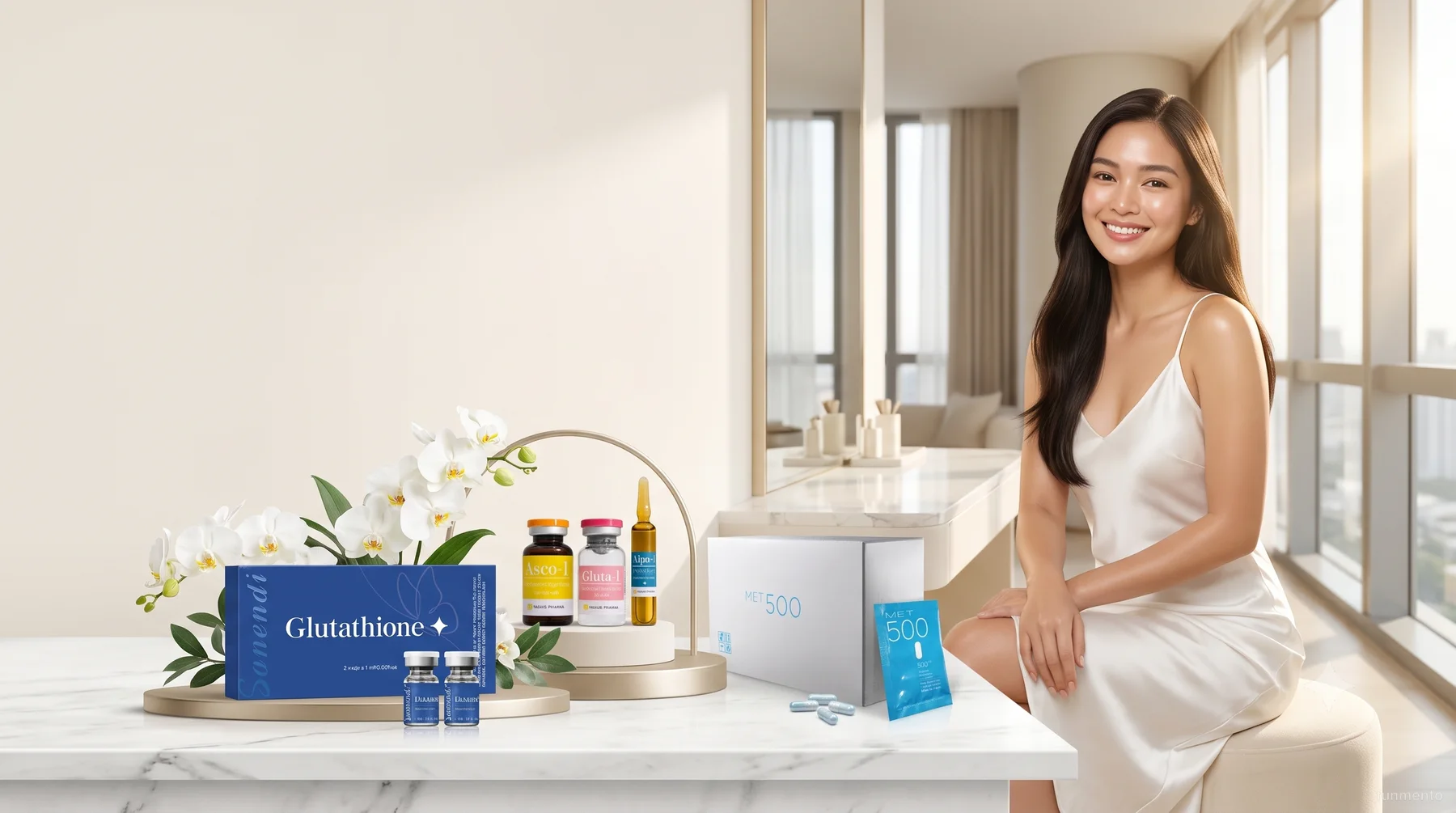
Is Kojic worth it? Value and what to consider
Kojic acid has become a staple in many beauty routines across the United States, Philippines, United Kingdom, South Africa, France, India, Saudi Arabia, UAE, Australia, and Sri Lanka. Its reputation stems from a gentle ability to support a brighter-looking complexion while offering antioxidant support. When you weigh the cost against the benefits, it helps to look beyond the price tag and focus on formulation quality, concentration, and how the ingredient fits your routine. Below we break down the key pieces that determine whether a kojic product is a worthwhile addition for you.
- Concentration of kojic acid – higher percentages may provide stronger brightening support, but can also increase the chance of irritation.
- Formulation type – serums, creams, and masks deliver the ingredient differently; choose the one that matches your skin‑care steps.
- Supporting ingredients – antioxidants like vitamin C or niacinamide can enhance the overall effect.
- Packaging – opaque, air‑tight containers protect the ingredient from light and oxidation.
- Brand transparency – clear labeling of ingredient sources and manufacturing standards builds trust.
Price is often the first metric shoppers look at, yet a low‑cost product does not always mean lower performance. In many markets, a 30 ml serum with 1 % kojic acid can range from $12 to $30, while a 50 ml cream with 2 % may sit between $20 and $45. The value proposition improves when the product pairs kojic acid with complementary actives and delivers it in a stable, skin‑friendly base.
| Product Size | Kojic Acid % | Typical Price (USD) | Region‑Specific Note |
|---|---|---|---|
| 30 ml Serum | 1 % | $12–$18 | Popular in US and Australia |
| 50 ml Cream | 2 % | $20–$30 | Common in UAE and Saudi Arabia |
| 100 ml Mask | 0.5 % | $25–$35 | Favored in Philippines and India |
Formulation matters as much as concentration. A lightweight serum can be layered under moisturizers for daytime use, while a richer cream may be better suited for evening routines when the skin's barrier is more receptive. Look for products that include humectants such as glycerin or hyaluronic acid, which help maintain hydration and reduce the risk of dryness that sometimes accompanies brightening actives.
Availability can influence perceived value. In South Africa and France, imported kojic products often carry higher tariffs, raising the shelf price. Conversely, local manufacturers in India and Sri Lanka may offer comparable concentrations at lower cost, though the ingredient sourcing may differ. Checking for reputable certifications—such as GMP compliance—can give you confidence in product safety without relying on unverified claims.
Ultimately, deciding if kojic is worth the investment hinges on how the product aligns with your skin goals and routine. When the concentration, supporting ingredients, and packaging work together, many users report a gradual, brighter-looking tone that feels sustainable over time. Remember that results vary from person to person, and the best value is achieved when the product fits seamlessly into your daily regimen.
How to use Kojic products
Kojic acid is a popular ingredient in many beauty routines, prized for its ability to support a brighter‑looking complexion. It works by gently reducing the appearance of dark spots and uneven tone, making it a go‑to for those looking to enhance skin radiance.
Choosing the right product type
Kojic acid is formulated into several product formats, each suited to different preferences and skin‑care steps. Picking the format that aligns with your routine helps you get the most out of the ingredient.
- Serum – lightweight, fast‑absorbing, ideal for layering under moisturizers.
- Cream or lotion – richer texture, good for dry or mature skin.
- Mask – intensive treatment, used a few times a week for a boost.
- Soap or body wash – convenient for whole‑body use, especially in the shower.
Patch test – why it matters
Before adding any kojic‑based product to your daily regimen, a patch test can help you gauge how your skin will respond. Apply a small amount to a discreet area, such as behind the ear, and wait 24‑48 hours.
General application steps
- 1Start with a clean face: gently cleanse with a mild, pH‑balanced cleanser and pat dry.
- 2Apply a thin layer: dispense a pea‑size amount of serum or cream and spread evenly over the target areas.
- 3Allow absorption: wait 2‑3 minutes before layering other products, giving the kojic acid time to settle.
- 4Follow with moisturizer and sunscreen: lock in moisture and protect your skin from UV exposure, which supports brighter‑looking results.
Special considerations for different skin types
Those with oily skin may prefer a serum or lightweight lotion to avoid excess shine, while dry‑skinned users often benefit from richer creams that add hydration. Sensitive skin types should start with a lower‑strength formulation and limit usage to every other day.
| Skin type | Suggested frequency | Key focus |
|---|---|---|
| Normal | Once daily | Steady brightening |
| Oily | Once daily | Lightweight texture |
| Dry | Every other day | Moisturizing base |
| Sensitive | Every other day | Low‑concentration formula |
When to adjust your routine
If you notice increased dryness, tingling, or any unexpected discoloration, pause use and reassess the concentration or frequency. Results vary from person to person, so listening to your skin’s signals is essential.
Storage tips for longevity
Keep kojic‑based products in a cool, dry place away from direct sunlight. Exposure to heat and light can reduce antioxidant support and affect the stability of the formulation.
| Common companion ingredients | Vitamin C, niacinamide, hyaluronic acid – often paired to boost brightening and hydration. |
| Typical concentration range | 1%‑4% in over‑the‑counter products, offering gentle yet effective support. |
Where to buy authentic Kojic safely
Finding authentic kojic acid for home use can feel like navigating a maze of options. Because the ingredient is popular in skin‑brightening and antioxidant‑support routines, many sellers appear online, but not all offer the quality you expect. This guide walks you through the practical steps to purchase genuine kojic acid safely, whether you shop from the United States, the Philippines, the United Kingdom, South Africa, France, India, Saudi Arabia, the UAE, Australia, or Sri Lanka.
Key criteria for a trustworthy supplier
- The seller provides a clear ingredient list that includes the percentage of kojic acid.
- Third‑party testing results or a Certificate of Analysis (COA) are accessible on request.
- Customer reviews mention consistent texture, scent, and colour, indicating product stability.
- The website uses secure payment methods (e.g., HTTPS, verified payment gateways).
- Return or refund policy is transparent and realistic.
Online marketplaces to consider
| Marketplace | Typical verification | Shipping reach |
|---|---|---|
| Amazon (global) | Seller ratings + optional COA | Worldwide with local fulfillment centers |
| eBay (global) | Seller feedback + product photos | International, may incur customs duties |
| Local e‑commerce sites (e.g., Lazada, Flipkart) | Verified seller badge + local reviews | Domestic and regional shipping |
| Brand‑direct websites | Full COA and batch numbers | Direct to most countries listed |
| Specialty beauty retailers (e.g., Sephora, LookFantastic) | In‑store testing labs | Selective countries, often with duty‑free options |
What to verify on product labeling
A legitimate label will state the exact concentration of kojic acid (commonly 1‑5 %), list any additional stabilisers, and provide a manufacturing or expiry date. Look for the name of a recognized laboratory or the phrase “manufactured in a GMP‑compliant facility.” These details help you gauge consistency and safety.
Shipping and customs considerations
- 1Choose a shipping option that includes tracking and insurance to protect against loss.
- 2Check your country’s import regulations for cosmetic ingredients; some regions require a declaration of the product’s purpose.
- 3If a customs fee is indicated, confirm that the seller will cover it or be prepared to pay a modest charge.
- 4Upon receipt, compare the product’s batch number and COA with the information provided by the seller.
By following these checkpoints, you can source authentic kojic acid that supports a brighter‑looking complexion while minimizing the risk of counterfeit or sub‑standard products. Remember, results vary from person to person, and the best outcomes come from pairing a reliable ingredient with a balanced skin‑care routine.
Which Kojic product should you choose?
Kojic acid is a favorite ingredient in many skin‑brightening routines across the United States, Philippines, United Kingdom, South Africa, France, India, Saudi Arabia, UAE, Australia, and Sri Lanka. Because formulations differ in concentration, texture, and added actives, picking the right version depends on your skin’s needs, lifestyle, and local availability.
Start by matching the product type to how you prefer to apply it. Creams and lotions blend easily into a daily moisturizer, serums deliver a more concentrated dose before your night cream, soaps give a quick‑wash boost, and masks provide an occasional intensive session.
- Do you want a quick‑wash solution (soap) or a leave‑on treatment (serum/cream)?
- Is your skin on the drier side (cream) or oily/combination (gel‑based serum)?
- Do you prefer a routine that fits into an existing moisturizer step or a separate brightening step?
Next, look at the concentration range. In most over‑the‑counter products, kojic acid levels sit between 1 % and 4 %. Higher percentages may offer stronger antioxidant support, but they can also feel more astringent on sensitive skin.
| Product Form | Typical Kojic % | Best For | Usage Frequency |
|---|---|---|---|
| Cream / Lotion | 1‑2 % | Dry or mature skin | Morning & night |
| Serum | 2‑4 % | Oily or combination skin | 2‑3 times weekly |
| Soap | 1‑2 % | All skin types (quick rinse) | Daily shower |
| Sheet Mask | 2‑3 % | Special‑occasion boost | 1‑2 times weekly |
Consider the supporting ingredients. Vitamin C, niacinamide, and hyaluronic acid are commonly paired with kojic acid to enhance brightening while offering hydration and antioxidant support. In markets like India and the Philippines, formulations often include botanical extracts such as licorice or mulberry for added soothing benefits.
Price points differ by region. In the United States and United Kingdom, you’ll find premium serums ranging from $30‑$70, whereas in South Africa and Sri Lanka, locally‑produced creams and soaps are often priced under $15. Choose a product that fits your budget without compromising on the key attributes you need.
Finally, check the packaging. Air‑tight pumps or opaque tubes protect kojic acid from light and oxidation, preserving its brightening potential. If a product is sold in a clear bottle, store it in a cool, dark place to maintain its effectiveness.
By aligning product type, concentration, supporting actives, price, and packaging, you can select a kojic solution that supports a healthier‑looking complexion and fits seamlessly into your daily beauty routine.

How to make sure your product is real
Counterfeits exist in this category. Here's how to protect yourself, and how we guarantee what you buy.
How to spot a genuine product
- Check the safety seals and packaging are intact and factory-sealed — never accept a broken or resealed box.
- Look for a batch or serial code on the box, and make sure it matches the code on the vial or sachet.
- Buy only from authorised sellers — not random social-media resellers or unverified marketplaces.
- Be wary of prices far below the market: a huge discount often means a fake or a refill.
Our authenticity guarantee
100% authentic
Every item is genuine, sourced through authorised channels — never imitations or refills.
Sealed & verified
Products arrive factory-sealed, with intact safety seals and batch codes you can check.
Quality reviewed
Each listing is checked against our standards before it goes on sale.
Genuine or money back
If a product isn't authentic, we'll make it right — full refund, no hassle.
Frequently asked questions (8)
Is Kojic authentic on Funmento?
Where is Kojic made?
How can I tell if Kojic is genuine?
What is the best Kojic product?
Is Kojic worth the price?
How do I use Kojic?
Where can I buy Kojic safely?
Does Kojic ship worldwide?
Kept fresh, not forgotten
This is an evergreen guide. Instead of posting a new dated article every month, we keep this page and refresh it as the market changes — so the link you bookmark always has the current answer.
What we re-check every update
- Rankings — re-scored against the latest real customer demand.
- Prices — refreshed so every figure matches checkout.
- Ratings — pulled live from verified buyers.
- Products — new arrivals added, discontinued items removed.
- Safety & regulatory info — reviewed against current advisories.
Keep exploring
Jump straight to a product, browse a category, or read a related guide.
Shop the top picks
Kojic W/ Glutathione Whitening Beauty Soap 2x 135g (270grams)Whitening Soap With Papaya And Kojic Acid By Ysa Botanica 100gKojic Soap W/ Glutathione By Cy Gabriel 135gShop by category
Whitening SoapRelated guides
Laroscorbine Supplement – Benefits & UsesBest Glutathione for Melasmaglutathione before and after resultsBelo Benefits – Natural Skin SupportCindyrella Supplement – Natural Wellness SupportSaluta Antioxidant Supplement – FunmentoOral vs Injectable Glutathione ComparisonVitamin C Benefits – Essential Nutrient GuideThis guide is general information, not medical advice. Results vary from person to person. Follow each product's label, and have injectable products administered by a licensed professional.