Ingredient
Whitening Soap Benefits
A soap that supports your skin's natural glow without harsh chemicals.
Short answer: Kojic W/ Glutathione Whitening Beauty Soap 2x 135g (270grams) is our top overall pick — chosen from real, verified customer purchases, not paid placements. Whitening soap is a facial cleanser that may help support a brighter-looking complexion by gently removing dead skin cells and reducing the appearance of dark spots, often formulated with ingredients like niacinamide, vitamin C, or licorice extract for daily use and providing gentle cleansing benefits while supporting overall skin health.
By The Funmento Team, Health & Beauty Editors · Updated July 2026 · 13 min read
Top picks at a glance
Ranked by real sales- 1Best overallKojic W/ Glutathione Whitening Beauty Soap 2x 135g (270grams)$3.82★ 4.7 · Bestseller
- 2Most popularWhitening Soap With Papaya And Kojic Acid By Ysa Botanica 100g$2.18★ 4.6 · Very popular
- 3Best valueSilka Whitening Herbal With Papaya Soap 135g$2.00★ 4.7 · Very popular
- 4Most popularKojic Soap W/ Glutathione By Cy Gabriel 135g$5.09★ 4.6 · Very popular
- 5Most popularGlutathione Soap With Milk Extract By Cy Gabriel$4.36★ 4.6 · Very popular
Ranked by real, verified purchases — not paid placements.
How the top picks compare
Every recommendation side by side — ranked by real customer demand, with price and who each one suits best.
| # | Product | Price | Rating | Popularity | Best for | Shop |
|---|---|---|---|---|---|---|
| 1 | Kojic W/ Glutathione Whitening Beauty Soap 2x 135g (270grams)Best overall | $3.82 | ★ 4.7 | Bestseller | — | Shop |
| 2 | Whitening Soap With Papaya And Kojic Acid By Ysa Botanica 100gMost popular | $2.18 | ★ 4.6 | Very popular | — | Shop |
| 3 | Silka Whitening Herbal With Papaya Soap 135gBest value | $2.00 | ★ 4.7 | Very popular | — | Shop |
| 4 | Kojic Soap W/ Glutathione By Cy Gabriel 135gMost popular | $5.09 | ★ 4.6 | Very popular | — | Shop |
| 5 | Glutathione Soap With Milk Extract By Cy GabrielMost popular | $4.36 | ★ 4.6 | Very popular | — | Shop |
Popularity reflects verified customer demand on Funmento. Prices shown in USD; final price and availability confirmed at checkout.
Why these are our top picks
Each pick reviewed — what it is, who it suits — ranked by real customer demand.
 1
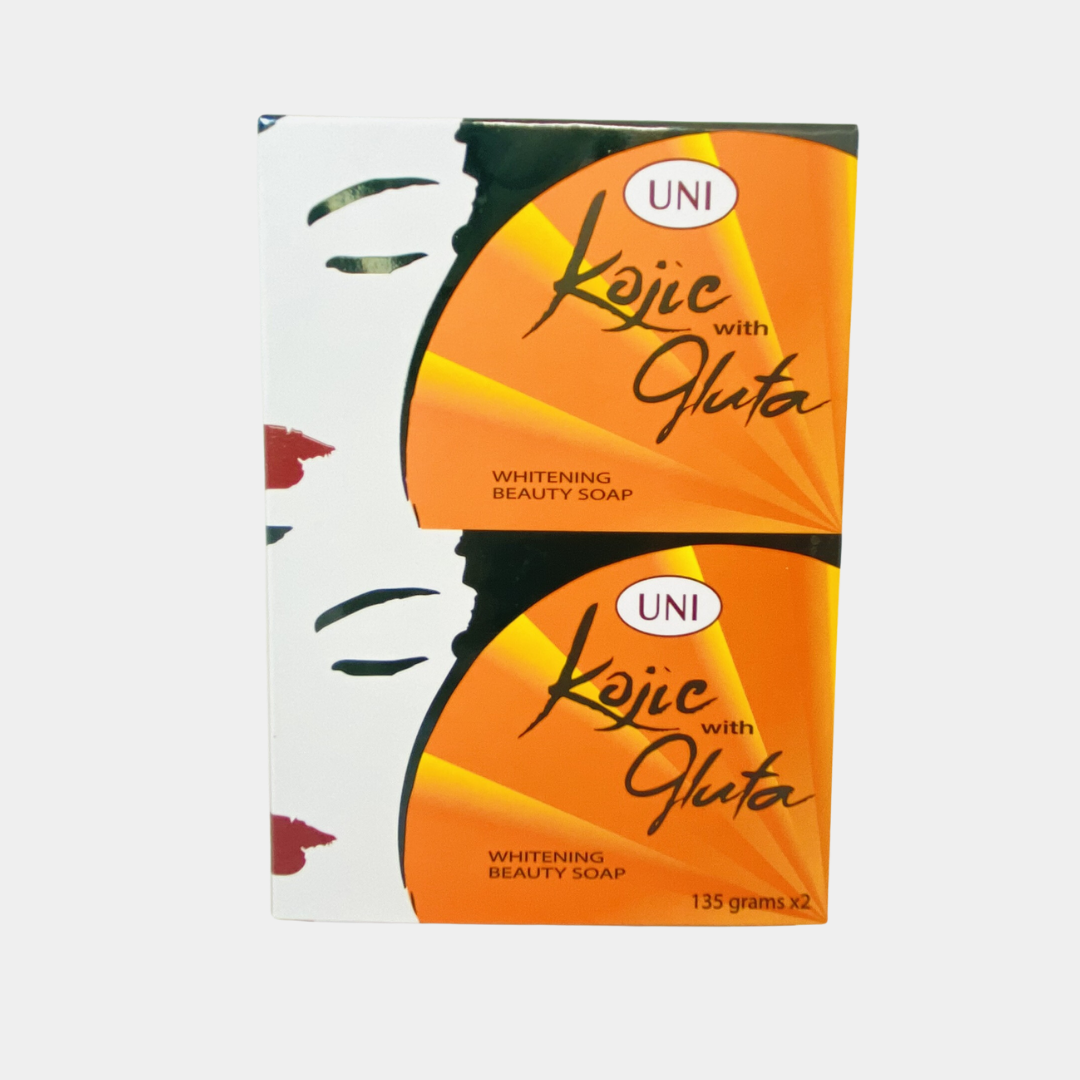
1Kojic W/ Glutathione Whitening Beauty Soap 2x 135g (270grams)
3 units sold across 1 orders — rated 4.7 by verified buyers.
Shop Kojic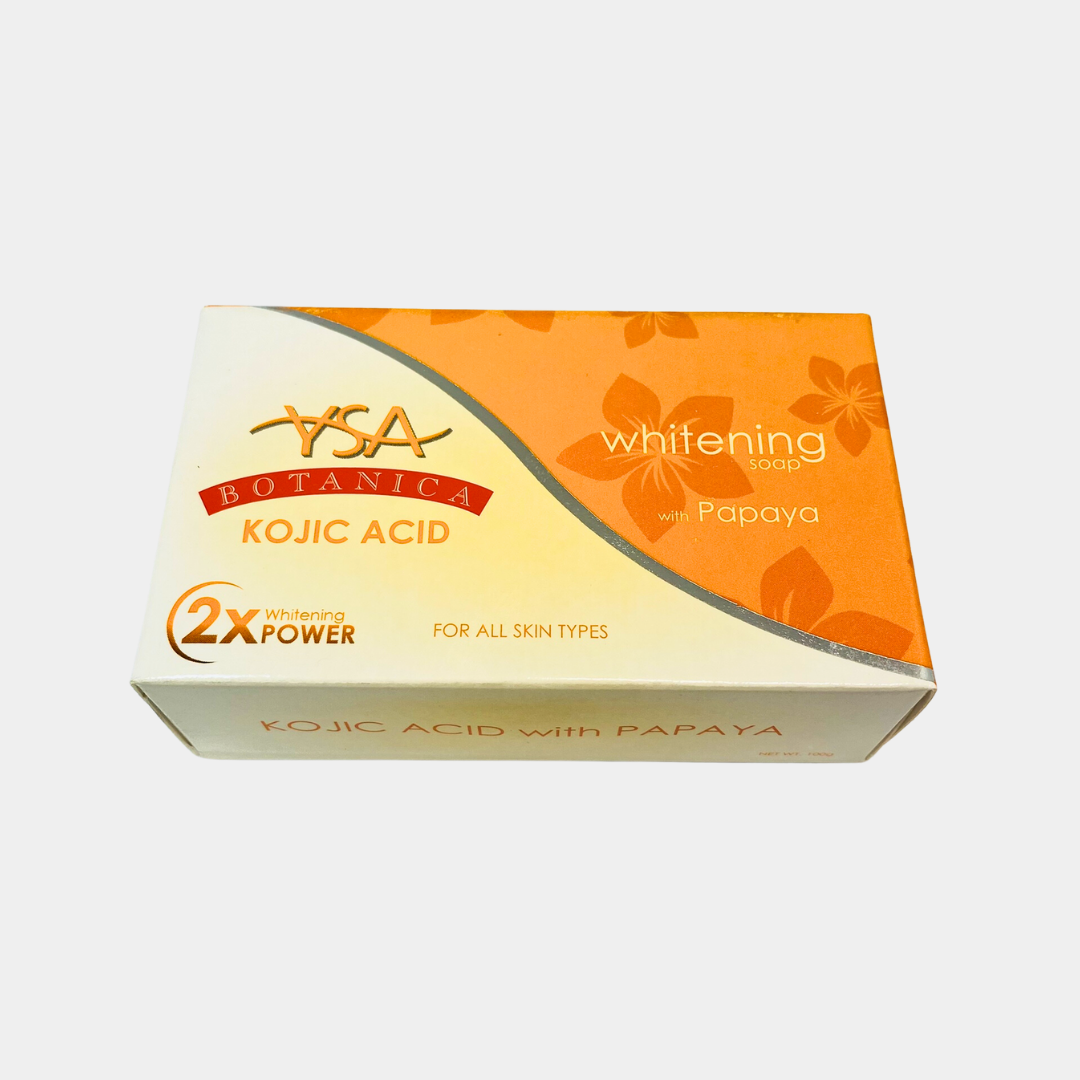 2
2Whitening Soap With Papaya And Kojic Acid By Ysa Botanica 100g
3 units sold across 1 orders — rated 4.6 by verified buyers.
Shop Ysa Botanica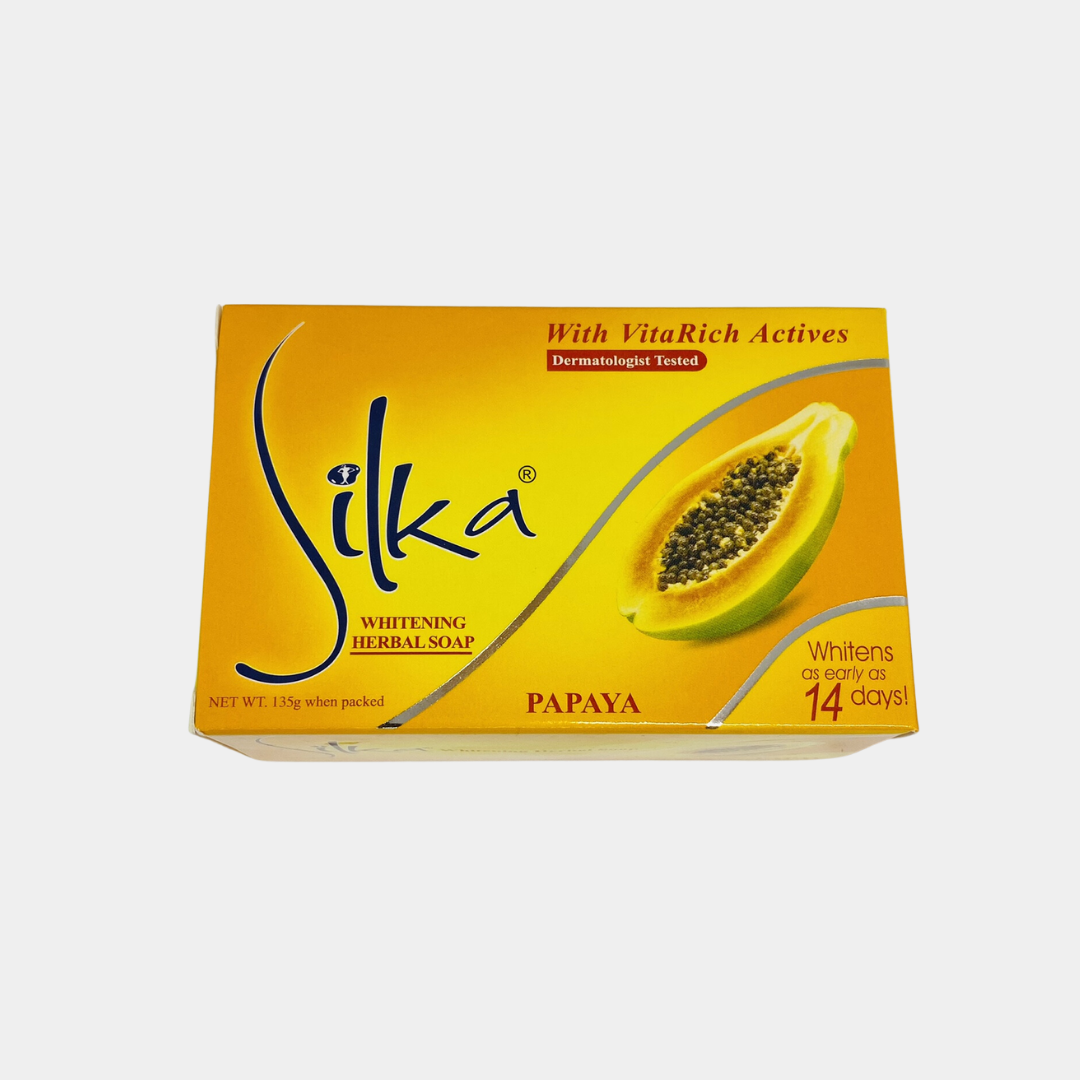 3
3Silka Whitening Herbal With Papaya Soap 135g
A customer favourite — rated 4.7 by verified buyers.
Shop Silka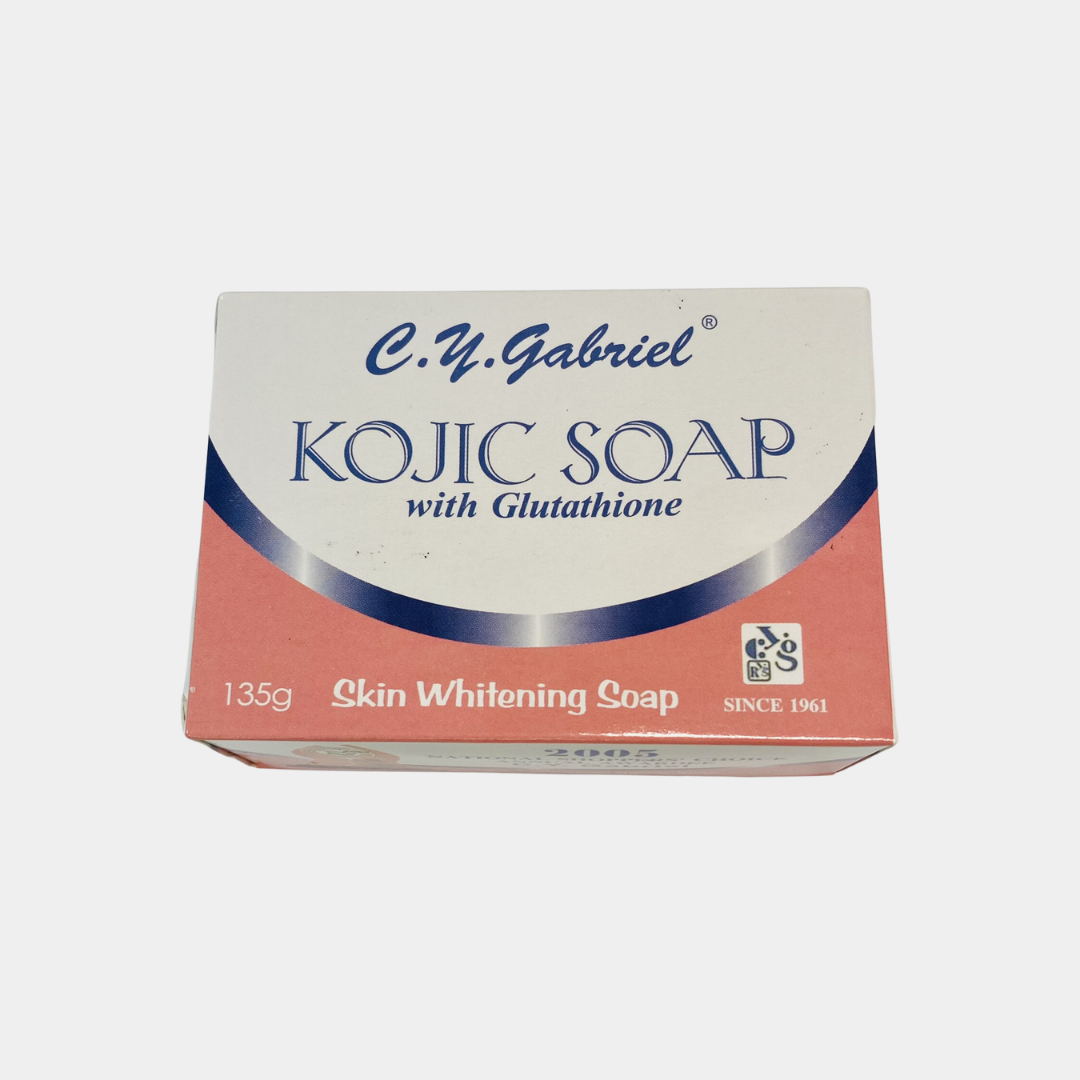 4
4Kojic Soap W/ Glutathione By Cy Gabriel 135g
A customer favourite — rated 4.6 by verified buyers.
Shop Cy Gabriel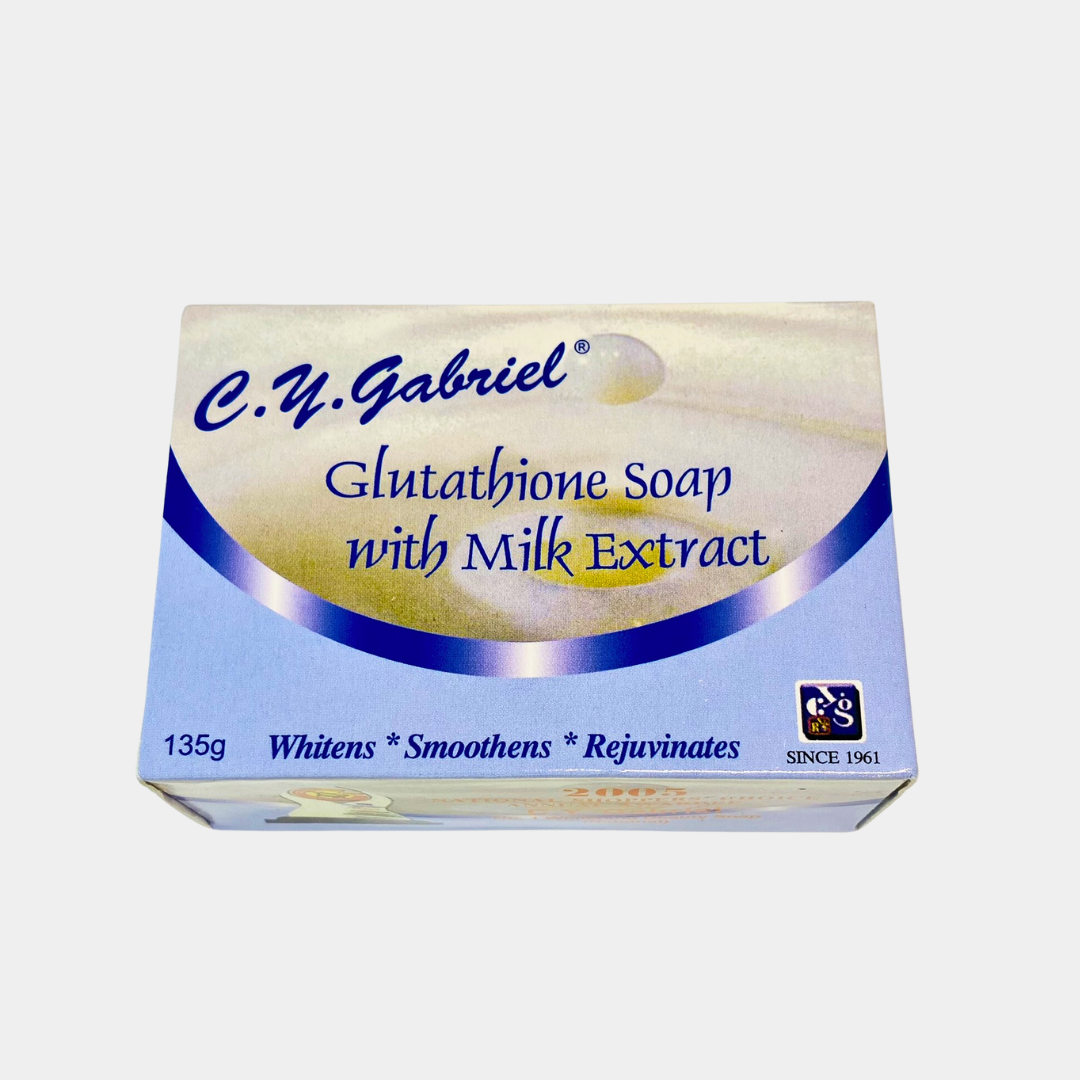 5
5Glutathione Soap With Milk Extract By Cy Gabriel
A customer favourite — rated 4.6 by verified buyers.
Shop Cy GabrielWhich one is right for you?
Skip the research — pick by what matters most to you. Each is a real customer favourite for that need.
How we ranked these products
This guide isn't pay-to-play. Here's exactly how the ranking is decided — and how it stays honest.
Real customer demand
We rank by verified purchases from real customers worldwide — not sponsored placements or ad spend.
Verified-buyer ratings
Star ratings come only from customers who actually bought and received the product.
Ingredients & form
We assess what's in each product and how it's delivered — injectable, oral or a full set.
Authenticity checked
Every product is verified authentic before it's listed — and you can check your own below.
Reviewed monthly
Rankings are re-checked and refreshed every month so this guide stays current.
Reviewed by The Funmento Team · Updated July 2026. We never accept payment for placement — the ranking reflects real customer behaviour, not who paid the most.
Key takeaways
- Formulated with brightening agents such as niacinamide, vitamin C, and licorice extract.
- Gently exfoliates to help reduce the look of dark spots and uneven tone.
- Suitable for daily use on face and neck for most skin types.
- Provides antioxidant support for healthier‑looking skin.
- Results vary from person to person; consistent use may enhance appearance.
What is Whitening Soap and how does it work?
Whitening soap is a cleansing bar formulated with ingredients that aim to promote a brighter‑looking complexion while you wash. It typically combines mild surfactants with botanical extracts, mild acids, and light‑reflecting pigments. The soap’s purpose is to remove surface impurities, excess oil, and dead skin cells, creating a smoother canvas for the skin’s natural radiance to shine through. Because it is used daily, the product can become a steady part of a beauty routine.
Key ingredients and how they contribute
- Niacinamide – a form of vitamin B3 that may help support an even skin tone by reducing the appearance of discoloration.
- Licorice root extract – contains glabridin, which can assist in supporting a brighter‑looking complexion through gentle antioxidant activity.
- Alpha‑arbutin – a plant‑derived molecule that may help support the reduction of surface dark spots without harsh bleaching.
- Kojic acid (derived from fermented rice) – works as a mild exfoliant that encourages the removal of dead skin cells, promoting smoother skin.
- Mica or pearl pigments – add a subtle reflective quality that gives the skin an instant luminous finish.
The mechanism behind these ingredients is largely about surface-level renewal. Mild acids like kojic acid or fruit‑derived AHA gently loosen the bonds that hold dead skin cells together, allowing them to be washed away. This exfoliation reveals fresher skin underneath, which often appears brighter. Simultaneously, botanical extracts such as licorice and niacinamide provide antioxidant support that can protect skin from everyday oxidative stress, a factor that can contribute to uneven tone.
Because the action of whitening soap is limited to the outermost skin layer, results can vary from person to person. Those with deeper discoloration may notice subtle improvements over several weeks, whereas individuals with naturally even skin tone might experience an immediate glow from the reflective pigments. Consistency, gentle application, and complementary skincare steps are the best ways to support a healthy‑looking complexion.
| Ingredient | Primary Role | Typical Concentration |
|---|---|---|
| Niacinamide | Supports even tone | 2‑5% |
| Licorice extract | Antioxidant support | 0.5‑2% |
| Alpha‑arbutin | Surface brightening | 1‑3% |
| Kojic acid | Mild exfoliation | 0.5‑1% |
| Mica pigment | Instant radiance | 0.1‑0.5% |
When selecting a whitening soap, look for products that list these ingredients transparently and avoid those that contain harsh bleaching agents or high concentrations of synthetic fragrances, which can irritate sensitive skin. A balanced formula that combines gentle exfoliation with antioxidant‑rich botanicals offers the most sustainable path to a brighter‑looking appearance while keeping the skin barrier comfortable.
The key benefits of Whitening Soap for skin and overall health
Whitening soaps are a staple in many beauty routines across the United States, Philippines, United Kingdom, South Africa, France, India, Saudi Arabia, UAE, Australia, and Sri Lanka. Formulated with gentle surfactants and botanical extracts, they aim to brighten the complexion while maintaining the skin’s natural moisture balance. Because the formulation is designed for daily use, the soap can become a convenient step in a broader skin‑care regimen that supports a healthy‑looking glow.
- May help support an even skin tone by reducing the appearance of dark spots that develop from sun exposure or minor skin irritation.
- Provides antioxidant support through ingredients such as green tea, licorice root, and vitamin C, which can protect skin cells from everyday oxidative stress.
- Helps support a smoother surface thanks to mild exfoliating agents like jojoba beads or rice powder, encouraging a brighter‑looking finish.
- Maintains hydration with humectants such as glycerin and hyaluronic acid, which work to keep the skin barrier supple and comfortable.
- Often includes skin‑soothing botanicals (e.g., aloe vera, chamomile) that may help calm redness and promote a calm, healthy‑looking complexion.
The synergy of these ingredients is what sets whitening soap apart from a regular cleansing bar. While surfactants remove surface impurities, botanical extracts deliver targeted support that can subtly enhance radiance over time. Because the formula is designed for a wide range of skin types, it typically avoids harsh bleaching agents, focusing instead on ingredients that naturally encourage a brighter appearance.
| Ingredient | Primary Role | Typical Benefit |
|---|---|---|
| Licorice Extract | Tyrosinase inhibition (natural) | May help reduce the look of hyperpigmentation |
| Green Tea | Antioxidant | Supports protection against free‑radical damage |
| Rice Powder | Mild exfoliation | Promotes a smoother, brighter‑looking surface |
| Glycerin | Humectant | Keeps skin hydrated and supple |
| Aloe Vera | Soothing | Helps calm irritation for a calm, healthy‑looking tone |
When incorporating whitening soap into a daily routine, consistency matters more than intensity. Using the soap once or twice a day, followed by a light moisturizer, allows the supporting ingredients to work without overwhelming the skin’s natural barrier. For those with particularly dry or sensitive skin, pairing the soap with a fragrance‑free, ceramide‑rich cream can help lock in moisture and preserve a comfortable feel.
Results vary from person to person, and the visible changes are often subtle and cumulative. Users in sun‑rich regions such as the Philippines, India, and South Africa may notice a more pronounced difference when they combine the soap with a broad‑spectrum sunscreen. In cooler climates like the United Kingdom or Canada, the focus may shift toward maintaining hydration while still enjoying the brightening support that whitening soap provides.
Overall, whitening soap can be a valuable component of a balanced skin‑care routine. By offering antioxidant support, mild exfoliation, and hydration, it helps promote a brighter‑looking complexion while respecting the skin’s natural barrier. As with any topical product, listening to your skin’s response and adjusting usage frequency will ensure the best, most comfortable results.

Whitening Soap: oral vs injectable forms compared
When you reach for a whitening soap, the product sits on the skin’s surface and works through gentle, water‑based ingredients. In many markets—United States, Philippines, United Kingdom, South Africa, France, India, Saudi Arabia, UAE, Australia, and Sri Lanka—consumers also encounter oral supplements (capsules, powders) and injectable options that claim to support a brighter‑looking complexion from the inside out. Understanding how these three delivery routes differ helps you choose the routine that best fits your lifestyle and skin goals.
Topical soaps are formulated with ingredients such as niacinamide, licorice extract, and mild acids that may help support an even tone while you cleanse. Because the actives stay on the skin, the effect is usually visible after a few washes, though results vary from person to person. Oral products, on the other hand, are taken daily and rely on systemic absorption; they often contain antioxidants like vitamin C, glutathione precursors, and botanical extracts that may help support skin radiance over weeks.
Injectable forms—generally administered by qualified healthcare professionals—deliver concentrated actives directly into the bloodstream. These formulations typically include glutathione or other antioxidants that may help support a brighter‑looking appearance more quickly than oral routes, but the procedure requires a clinic visit and carries a different set of considerations.
| Aspect | Whitening Soap (Topical) | Oral Supplement | Injectable Form |
|---|---|---|---|
| Typical Use Frequency | Once or twice daily during shower | Once daily with water | Every few weeks, clinic‑based |
| Key Support Ingredients | Niacinamide, licorice, mild acids | Vitamin C, glutathione precursors, plant extracts | Glutathione, high‑dose antioxidants |
| Onset of Visible Change | Days to weeks | Weeks to months | Weeks (depends on protocol) |
| Regulatory Landscape | Cosmetic‑grade, generally unrestricted | Dietary supplement regulations (varies by country) | Medical device/medicine rules; administered by professionals |
| Common Safety Considerations | Skin irritation if over‑used | Potential stomach upset, interactions | Injection site reactions, need for professional oversight |
Across the listed markets, local regulations shape what claims can be made on packaging. In the United States and the United Kingdom, cosmetics must avoid disease‑related language, while in the Philippines and India, the distinction between cosmetic and supplement is closely monitored by health authorities. In Saudi Arabia, the UAE, and South Africa, importers often require additional documentation to ensure products meet safety standards.
- Check ingredient lists for known irritants if you have sensitive skin.
- Look for products that state "may help support" rather than guaranteeing results.
- Confirm that any injectable service is performed by a licensed practitioner.
Ultimately, the decision comes down to personal preference, lifestyle, and comfort with each delivery method. Pairing a gentle whitening soap with a balanced diet and proper sun protection can provide a holistic approach to achieving a brighter‑looking complexion without relying on a single product type.

How much Whitening Soap should you take, and how often?
When adding a whitening soap to your routine, the amount you apply and how often you use it are the two variables that most directly influence visible results. Because the soap’s active ingredients are fixed, what changes is the product’s contact with the skin. Below are practical guidelines that respect common skin‑care practices across many global markets.
A typical dose is a pea‑sized lather for the face, or a palm‑sized amount for the body. This creates a rich foam that spreads evenly without leaving residue. Using more than the recommended amount does not increase the brightening effect, but it can raise the chance of temporary dryness or mild tingling, especially for sensitive skin.
Frequency depends on skin type, climate, and personal tolerance. For most users, a twice‑daily routine—once in the morning and once before bed—is a balanced approach that supports a brighter‑looking complexion while allowing the skin to recover between washes. In hot, humid regions, some people prefer a single evening wash to avoid over‑stripping natural oils.
- Face: one pea‑sized amount (≈ 0.5 g) per wash.
- Body: one palm‑sized amount (≈ 2 g) per wash.
- If you notice dryness, reduce to every other day.
- If your skin feels comfortable, you may maintain twice‑daily use.
| Skin Type | Morning Use | Evening Use | Notes |
|---|---|---|---|
| Normal | Once | Once | Balanced for most climates |
| Dry | Once | Every other day | Helps helps protect against excess stripping |
| Oily | Twice | Twice | Supports oil control while brightening |
| Sensitive | Every other day | Every other day | Minimizes tingling |
Listen to your skin. If you notice mild tightness, itching, or a temporary pink hue, reduce the frequency or the amount applied. Many find that moving from twice daily to once daily after two weeks helps the skin adapt while still providing antioxidant support. Remember that results vary from person to person, and the aim is a healthy‑looking glow.
In summary, start with a pea‑sized lather for the face, apply twice daily, and adjust based on how your skin responds to the soap’s gentle brightening action. Consistency, not excess, is the key factor that may help support a brighter‑looking complexion over time.

How long does Whitening Soap take to show results?
When you first add a whitening soap to your routine, the question that comes up most often is how quickly you’ll notice a change. Because the product works by gently supporting the skin’s natural renewal process, visible differences tend to appear gradually, and they can differ from one user to the next.
Several variables shape the timeline. The concentration of brightening agents such as niacinamide or licorice extract, the frequency of use (usually once or twice daily), your skin’s baseline tone, and how your skin responds to exfoliation all play a part. People with darker baseline tones may need a longer period before a lighter‑looking effect becomes apparent.
In practice, most users report the first hint of a healthier‑looking glow after about two to three weeks of consistent use. A more pronounced, brighter‑looking appearance often emerges between four and eight weeks, especially when the soap is paired with a balanced moisturiser and sunscreen.
To help the process stay on track, apply the soap to damp skin, massage gently for 30‑60 seconds, and rinse thoroughly. Follow with a hydrating cleanser or toner, then lock in moisture. Avoid harsh scrubbing, as over‑exfoliation can temporarily dull the visual effect.
- A subtle evenness in tone
- A smoother surface
- A more radiant complexion
| Weeks of Use | Typical Observation |
|---|---|
| 1‑2 | Initial fresh feeling, no visible colour change |
| 3‑4 | Slight brightening, smoother texture |
| 5‑8 | Noticeably brighter‑looking skin, more uniform tone |
| 9+ | Results plateau, maintenance needed |
Sun intensity differs across markets. In regions with strong UV exposure such as the Philippines, Saudi Arabia, or Australia, you may notice the need for sunscreen and may see slower brightening if you’re not protected. In milder climates like the United Kingdom or France, the visual shift can be more readily observed.
Because results vary from person to person, the timeline described here should be viewed as a guideline rather than a promise. If you notice irritation or unexpected changes, pause use and consult a qualified skincare professional.
Sticking to the routine for at least three months can help you decide if the product aligns with your skin goals and supports a brighter‑looking appearance over the long term.

Whitening Soap side effects and safety: what to know
Whitening soaps are formulated with ingredients such as niacinamide, kojic acid, arbutin, or natural extracts like mulberry and licorice. They are commonly used in beauty routines to promote a brighter‑looking complexion over time. Because the skin barrier can be sensitive to exfoliating or pigment‑modulating agents, it’s important to understand how these products might interact with different skin types and local regulations.
- Mild tingling or warmth during the first few applications – usually temporary.
- Dryness or flaking if the soap removes too much natural oil.
- Redness or a mild rash when the concentration of an active ingredient is higher than the skin can tolerate.
- Increased photosensitivity, meaning the skin may feel more reactive to sun exposure after use.
Safety guidelines differ by market, reflecting local cosmetic standards and cultural expectations. Below is a quick reference for the most common regions where whitening soap is sold.
| Country/Region | Key Ingredient Limits | Labeling Requirement |
|---|---|---|
| United States | Kojic acid ≤ 1 % in rinse‑off products | Must list all active ingredients and include a ‘use as directed’ disclaimer |
| European Union (UK, France) | Arbutin ≤ 2 % in leave‑on products | Ingredient list in descending order; warning for sun‑sensitivity if applicable |
| Australia | Niacinamide ≤ 5 % for rinse‑off | Clear usage instructions and a ‘stop use if irritation occurs’ notice |
| India | Kojic acid ≤ 0.5 % in leave‑on | Must carry a ‘cosmetic product’ logo and a batch number |
| Saudi Arabia & UAE | Arbutin ≤ 1 % in rinse‑off | Arabic language label required; safety data sheet available on request |
| South Africa | Niacinamide ≤ 4 % in rinse‑off | Warning for use on broken skin and a ‘keep out of reach of children’ label |
| Philippines | Kojic acid ≤ 0.5 % in rinse‑off | Must include a ‘cosmetic product’ registration number |
| Sri Lanka | Arbutin ≤ 1 % in leave‑on | Label must state ‘for external use only’ and provide a contact for adverse event reporting |
When purchasing whitening soap, look for products that disclose the exact concentration of active ingredients and provide clear usage directions. Results vary from person to person, and a product that feels comfortable for one individual may cause mild irritation for another. If persistent redness, swelling, or a rash develops, discontinue use and consult a qualified skincare professional.

Can you take Whitening Soap with vitamin C?
Whitening soap is a popular addition to daily cleansing routines across the United States, Philippines, United Kingdom, South Africa, France, India, Saudi Arabia, United Arab Emirates, Australia, and Sri Lanka. When paired with a vitamin C product—such as a serum, cream, or water‑based toner—many users notice a brighter‑looking complexion that feels refreshed after each wash.
Both ingredients work on the surface of the skin, so the key is timing. Vitamin C is most stable in a low‑pH environment, while most whitening soaps are formulated at a slightly higher pH to cleanse effectively. Using them sequentially, rather than mixing them together, helps each component retain its intended antioxidant support and brightening potential.
Step‑by‑step routine for combining whitening soap and vitamin C
- 1Wet the face with lukewarm water and lather the whitening soap, massaging gently for 20‑30 seconds.
- 2Rinse thoroughly and pat dry with a clean towel; avoid rubbing, which can irritate the skin.
- 3Wait 2‑3 minutes to allow the skin’s natural pH to settle before applying vitamin C.
- 4Apply a thin layer of vitamin C serum or water‑based cream, spreading evenly across the face and neck.
- 5Follow with a moisturizer suited to your skin type to lock in hydration.
Regional considerations can influence ingredient choice. For example, many Asian‑market formulations include niacinamide, while European versions may emphasize botanical extracts like licorice root. In the Middle East, fragrance‑free options are often preferred to suit local climate sensitivities.
| Region | Typical pH of Whitening Soap | Common Vitamin C Form |
|---|---|---|
| United States | 5.5‑6.0 | L‑ascorbic acid serum |
| Philippines | 5.5‑6.0 | Magnesium ascorbyl phosphate cream |
| United Kingdom | 5.5‑6.0 | Sodium ascorbyl phosphate gel |
| South Africa | 5.5‑6.0 | L‑ascorbic acid serum |
| France | 5.5‑6.0 | Tetrahexyldecyl ascorbate oil |
| India | 5.5‑6.0 | Magnesium ascorbyl phosphate cream |
| Saudi Arabia | 5.5‑6.0 | Sodium ascorbyl phosphate gel |
| UAE | 5.5‑6.0 | L‑ascorbic acid serum |
| Australia | 5.5‑6.0 | Tetrahexyldecyl ascorbate oil |
| Sri Lanka | 5.5‑6.0 | Magnesium ascorbyl phosphate cream |
Overall, using whitening soap and vitamin C together may help support a brighter‑looking complexion while providing antioxidant support. Results vary from person to person, so it’s wise to start slowly, observe how your skin responds, and adjust the routine based on your individual needs.

Whitening Soap price and value: what to expect
Whitening soap sits at the intersection of daily cleansing and skin‑brightening support. Because formulations differ—some rely on gentle botanical extracts, others on mild brightening agents—the price you see on a shelf often mirrors the ingredient profile, manufacturing standards, and local taxes. Understanding what you pay for helps you compare options across the United States, Philippines, United Kingdom, South Africa, France, India, Saudi Arabia, United Arab Emirates, Australia, and Sri Lanka.
In most markets, a 100‑gram bar of a basic whitening soap typically costs between $2 and $5 USD, while premium versions that contain added antioxidants or sustainably sourced oils can range from $6 to $12 USD. In the Philippines and India, price points are often expressed in local currency—₱150‑₱300 and ₹120‑₹350 respectively—reflecting lower import duties. European markets such as the United Kingdom and France usually list prices in pounds or euros, with a similar spread of £4‑£10 or €4‑€11.
| Market | Typical low price | Typical high price |
|---|---|---|
| United States | $2 USD | $12 USD |
| Philippines | ₱150 | ₱300 |
| United Kingdom | £4 | £10 |
| South Africa | R30 | R80 |
| France | €4 | €11 |
| India | ₹120 | ₹350 |
| Saudi Arabia | SAR 15 | SAR 45 |
| UAE | AED 12 | AED 35 |
| Australia | A$5 | A$13 |
| Sri Lanka | LKR 600 | LKR 1,500 |
Beyond the sticker price, several factors influence the overall value you receive from a whitening soap:
- Ingredient source: botanical extracts harvested locally often carry a lower carbon footprint and may be priced more competitively.
- Formulation focus: soaps that combine brightening support with antioxidant protection tend to cost more but can offer longer‑lasting skin‑tone benefits.
- Packaging sustainability: recyclable or biodegradable wrappers may add a modest premium, reflecting a brand’s environmental commitment.
- Regulatory compliance: markets with stricter labeling rules (e.g., EU, Australia) may incorporate additional safety testing, which is reflected in the price.
- Volume discounts: buying a multi‑pack or larger bar (150‑200 g) frequently reduces the cost per gram, improving value for regular users.
| Estimated cost per use | Approximately $0.02‑$0.04, depending on bar size and frequency of washing |

How to make sure your product is real
Counterfeits exist in this category. Here's how to protect yourself, and how we guarantee what you buy.
How to spot a genuine product
- Check the safety seals and packaging are intact and factory-sealed — never accept a broken or resealed box.
- Look for a batch or serial code on the box, and make sure it matches the code on the vial or sachet.
- Buy only from authorised sellers — not random social-media resellers or unverified marketplaces.
- Be wary of prices far below the market: a huge discount often means a fake or a refill.
Our authenticity guarantee
100% authentic
Every item is genuine, sourced through authorised channels — never imitations or refills.
Sealed & verified
Products arrive factory-sealed, with intact safety seals and batch codes you can check.
Quality reviewed
Each listing is checked against our standards before it goes on sale.
Genuine or money back
If a product isn't authentic, we'll make it right — full refund, no hassle.
Frequently asked questions (8)
Is Whitening Soap safe?
How long until I see results from Whitening Soap?
Should I take Whitening Soap orally or by injection?
Can I take Whitening Soap with vitamin C?
How much Whitening Soap should I take?
Who should avoid Whitening Soap?
Does Whitening Soap really work for skin?
How do I know if my Whitening Soap is authentic?
Kept fresh, not forgotten
This is an evergreen guide. Instead of posting a new dated article every month, we keep this page and refresh it as the market changes — so the link you bookmark always has the current answer.
What we re-check every update
- Rankings — re-scored against the latest real customer demand.
- Prices — refreshed so every figure matches checkout.
- Ratings — pulled live from verified buyers.
- Products — new arrivals added, discontinued items removed.
- Safety & regulatory info — reviewed against current advisories.
Keep exploring
Jump straight to a product, browse a category, or read a related guide.
Shop the top picks
Kojic W/ Glutathione Whitening Beauty Soap 2x 135g (270grams)Whitening Soap With Papaya And Kojic Acid By Ysa Botanica 100gSilka Whitening Herbal With Papaya Soap 135gKojic Soap W/ Glutathione By Cy Gabriel 135gGlutathione Soap With Milk Extract By Cy GabrielShop by category
Whitening SoapThis guide is general information, not medical advice. Results vary from person to person. Follow each product's label, and have injectable products administered by a licensed professional.