Ingredient
Skin Whitening Lotion
Unlock a more radiant, even-toned look with the right whitening lotion.
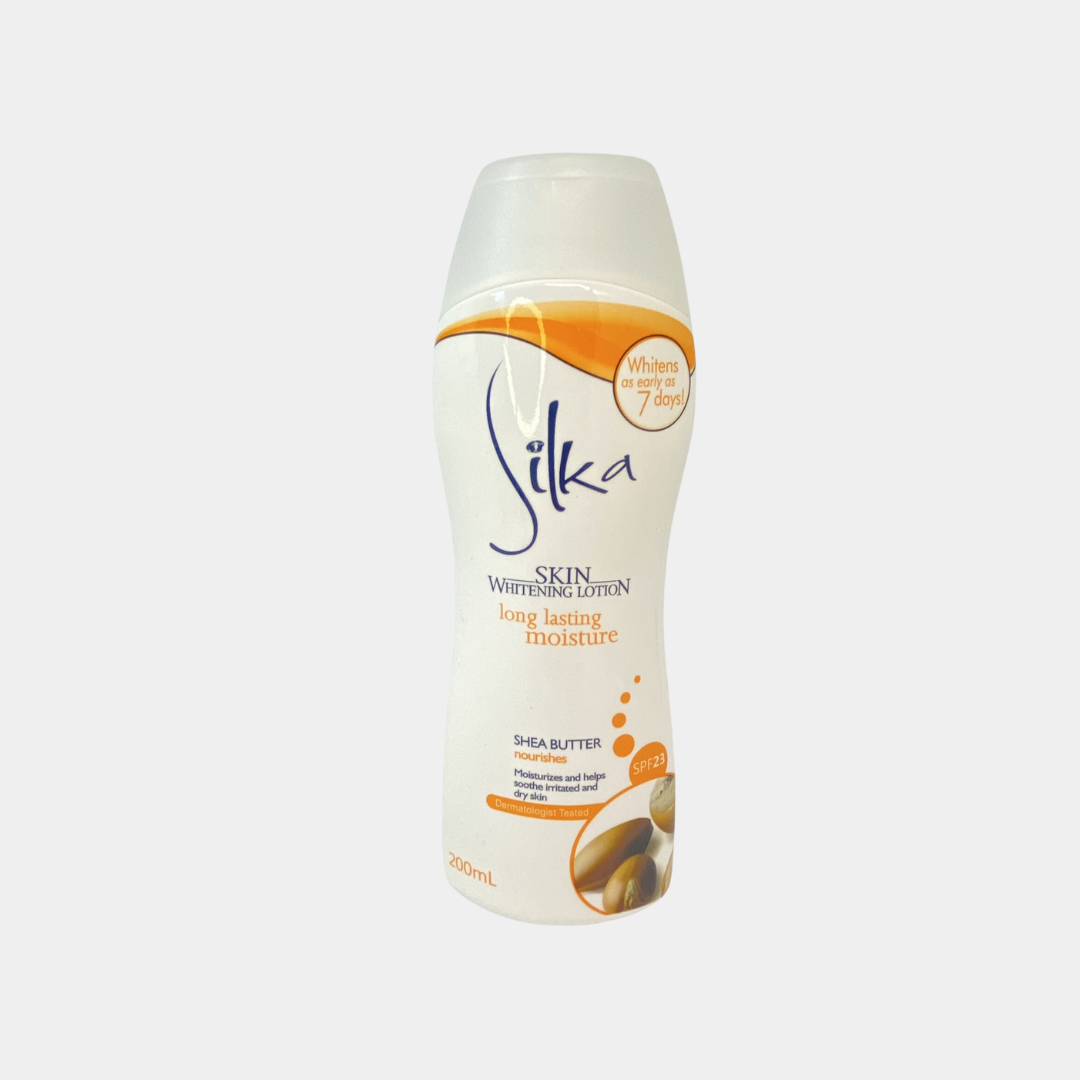
Short answer: Silka Skin Whitening Lotion w/ Shea Butter 200ml (SPF 23) is our top overall pick — chosen from real, verified customer purchases, not paid placements. Skin whitening lotion is a topical formulation that may help support a brighter‑looking complexion by reducing the appearance of dark spots and promoting an even skin tone. It typically contains ingredients such as niacinamide, vitamin C, and botanical extracts that provide antioxidant support for healthier‑looking skin.
By The Funmento Team, Health & Beauty Editors · Updated July 2026 · 16 min read
Top picks at a glance
Ranked by real salesRanked by real, verified purchases — not paid placements.
How the top picks compare
Every recommendation side by side — ranked by real customer demand, with price and who each one suits best.
| # | Product | Price | Rating | Popularity | Best for | Shop |
|---|---|---|---|---|---|---|
| 1 | Silka Skin Whitening Lotion w/ Shea Butter 200ml (SPF 23)Best overall | $5.36 | ★ 4.6 | Bestseller | — | Shop |
Popularity reflects verified customer demand on Funmento. Prices shown in USD; final price and availability confirmed at checkout.
Why these are our top picks
Each pick reviewed — what it is, who it suits — ranked by real customer demand.
 1
1Silka Skin Whitening Lotion w/ Shea Butter 200ml (SPF 23)
A customer favourite — rated 4.6 by verified buyers.
Shop SilkaWhich one is right for you?
Skip the research — pick by what matters most to you. Each is a real customer favourite for that need.
How we ranked these products
This guide isn't pay-to-play. Here's exactly how the ranking is decided — and how it stays honest.
Real customer demand
We rank by verified purchases from real customers worldwide — not sponsored placements or ad spend.
Verified-buyer ratings
Star ratings come only from customers who actually bought and received the product.
Ingredients & form
We assess what's in each product and how it's delivered — injectable, oral or a full set.
Authenticity checked
Every product is verified authentic before it's listed — and you can check your own below.
Reviewed monthly
Rankings are re-checked and refreshed every month so this guide stays current.
Reviewed by The Funmento Team · Updated July 2026. We never accept payment for placement — the ranking reflects real customer behaviour, not who paid the most.
Key takeaways
- Formulated for topical use to support brighter‑looking skin.
- Contains niacinamide, vitamin C, and botanical extracts for antioxidant support.
- Aims to reduce the visual appearance of dark spots and uneven tone.
- Suitable for daily use in diverse climates.
- Results vary from person to person.
- Not a medical product; does not supports or supports any condition.
What is Skin Whitening Lotion and how does it work?
Skin whitening lotion is a topical emulsion designed to promote a more uniform complexion by reducing the visual intensity of existing dark spots and supporting a brighter‑looking skin tone. Unlike a sunscreen, which primarily protects against UV‑induced darkening, a whitening lotion works after the pigment has formed, offering a complementary step in daily beauty routines. The product is typically water‑based, allowing easy absorption without a heavy feel.
The primary pathway targeted by most whitening lotions involves the enzyme tyrosinase, which catalyzes the conversion of the amino acid tyrosine into melanin pigment. Ingredients such as niacinamide, arbutin, and licorice root extract may help support the reduction of tyrosinase activity, leading to a slower accumulation of melanin in the epidermis. In addition, antioxidant‑rich components like vitamin C and green‑tea polyphenols provide free‑radical defense that can keep existing pigment from darkening further.
Across the ten target markets, formulators tend to select ingredients that balance efficacy with local regulatory preferences and consumer scent expectations. The following list captures the most frequently encountered actives in a typical skin‑whitening lotion.
- Niacinamide (Vitamin B3) – 2‑5 % concentration
- Arbutin – 1‑4 % concentration
- Licorice extract (glycyrrhizin) – 0.5‑2 % concentration
- Vitamin C (ascorbic acid) – 5‑10 % concentration
- Green‑tea extract – 1‑3 % concentration
- Kojic acid – 0.5‑1 % concentration where permitted
In the United States and Canada, concentrations above 2 % for ingredients like arbutin are commonly accepted, but manufacturers often label the product as “for occasional use” to align with cosmetic‑only regulations. In the Philippines and India, a lighter fragrance profile is preferred, so many lotions incorporate coconut‑derived esters that dissolve easily in warm climates. European markets such as the United Kingdom and France tend to limit kojic acid to 0.5 % and favor naturally derived brightening agents, while South Africa and Australia allow a broader range of synthetic actives under strict labeling guidelines. The Gulf Cooperation Council (Saudi Arabia, UAE) emphasizes halal‑certified ingredients and may require a separate “beauty‑routine” classification to avoid medical‑device categorization.
For optimal results, apply the lotion to clean, dry skin twice daily—once in the morning after cleansing and again in the evening before bedtime. Gently massage until fully absorbed, then follow with a broad‑spectrum sunscreen of at least SPF 30 during daylight hours. Because melanin production is a gradual process, most users notice a subtle shift toward a brighter‑looking tone after four to six weeks of consistent use, though results vary from person to person.
While the ingredients listed are generally regarded as safe for topical application, individuals with sensitive skin or a history of allergic reactions should consult a dermatologist before adding a whitening lotion to their regimen. Avoid using the product on broken or inflamed skin, and discontinue use if persistent irritation develops.
| Ingredient | US & Canada | Philippines & India | UK & France | South Africa & Australia | Saudi Arabia & UAE |
|---|---|---|---|---|---|
| Niacinamide | 2‑5 % | 2‑4 % | 2‑4 % | 2‑5 % | 2‑4 % |
| Arbutin | 1‑4 % | 1‑3 % | 1‑2 % | 1‑4 % | 1‑3 % |
| Licorice extract | 0.5‑2 % | 0.5‑1.5 % | 0.5‑1 % | 0.5‑2 % | 0.5‑1.5 % |
| Vitamin C | 5‑10 % | 5‑8 % | 5‑8 % | 5‑10 % | 5‑8 % |
| Green‑tea extract | 1‑3 % | 1‑2 % | 1‑2 % | 1‑3 % | 1‑2 % |
| Kojic acid | 0.5‑1 % (where allowed) | 0.5‑0.8 % (where allowed) | 0.5 % max | 0.5‑1 % (where allowed) | 0.5‑0.8 % (where allowed) |

The key benefits of Skin Whitening Lotion for skin and overall health
Across the United States, Philippines, United Kingdom, South Africa, France, India, Saudi Arabia, United Arab Emirates, Australia, and Sri Lanka, many people include skin‑whitening lotion as a staple of their daily beauty routine. The formulation is designed to help support a more uniform complexion while delivering antioxidant protection and lasting hydration. Because skin tone can be influenced by environmental factors such as sun exposure, pollution, and seasonal changes, a lotion that offers brightening and barrier‑support benefits may help maintain a healthy‑looking appearance throughout the year. Results vary from person to person, and the lotion works best when paired with sunscreen and a balanced skincare regimen.
- Brightening support – ingredients such as niacinamide and licorice extract may help support a more even, brighter‑looking tone by reducing the appearance of dark spots.
- Moisture barrier reinforcement – humectants like glycerin and ceramide‑based complexes help support skin’s natural barrier, keeping it supple and hydrated.
- Antioxidant defense – vitamin C, green tea extract, and coenzyme Q10 provide antioxidant support that may protect skin from free‑radical damage.
- Confidence boost – a visibly smoother and more luminous complexion can contribute to a positive self‑image and confidence in daily interactions.
Regional preferences shape how the lotion is used. In the United Arab Emirates and Saudi Arabia, where high UV indices are common, users often combine the lotion with a broad‑spectrum sunscreen to protect against sun‑induced discoloration. In the Philippines and Sri Lanka, humid climates make lightweight, non‑greasy formulas popular for comfort. European markets such as the United Kingdom and France tend to favor versions enriched with botanical extracts that align with local clean‑beauty trends. Understanding these nuances can help you select a product that fits both your skin goals and lifestyle.
| Ingredient | Primary support | Typical concentration range |
|---|---|---|
| Niacinamide | Even‑tone and brightening support | 2‑5 % |
| Licorice extract (glycyrrhiza glabra) | Reduces appearance of hyperpigmentation | 0.5‑2 % |
| Vitamin C (ascorbic acid) | Antioxidant defense and brightening | 5‑15 % |
| Glycerin | Moisture barrier reinforcement | 5‑10 % |
| Ceramide complex | Barrier integrity and hydration | 0.5‑2 % |
When integrated thoughtfully, a skin‑whitening lotion can serve as a multi‑functional step that supports both visual clarity and overall skin health. By choosing a formulation that aligns with your climate, skin type, and personal preferences, you may experience a brighter‑looking complexion while also nurturing the skin’s natural resilience. Remember that consistency, sun protection, and a balanced diet all play roles in achieving lasting results, and individual outcomes will differ.

Skin Whitening Lotion: oral vs injectable forms compared
The skin‑whitening lotion market spans the United States, Philippines, United Kingdom, South Africa, France, India, Saudi Arabia, UAE, Australia, and Sri Lanka. While most consumers think of a lotion applied to the skin, some brands also offer oral supplements and injectable solutions that are marketed as part of a broader bright‑looking routine. Understanding how these formats differ in ingredients, usage, and regulatory context helps shoppers decide which option aligns with their personal care goals and local guidelines.
Oral skin‑whitening supplements are typically packaged as capsules or powders that people ingest with water. Common ingredients include glutathione precursors such as N‑acetyl‑cysteine, vitamin C, and plant extracts like licorice root or mulberry. The formulation aims to provide antioxidant support from the inside, which may help support a more even skin tone when combined with topical care. In many of the listed markets, oral products fall under dietary‑supplement regulations, meaning they are not required to undergo the same pre‑market safety review as cosmetics.
Injectable skin‑whitening solutions are administered by qualified healthcare professionals and usually contain a concentrated glutathione solution mixed with a sterile carrier. Because the product is delivered directly into the bloodstream, it can offer a faster onset of antioxidant support compared with oral intake. However, injectable forms are subject to stricter medical‑device or drug regulations in regions such as the United States, United Kingdom, and Australia, and they often require a prescription or a licensed practitioner’s oversight.
| Form | Typical Ingredients | Administration | Expected Onset | Regulatory Category |
|---|---|---|---|---|
| Oral | Glutathione precursors, vitamin C, licorice extract, mulberry | Swallowed with water | Weeks to months | Dietary supplement / cosmetic |
| Injectable | Sterile glutathione solution, saline carrier | Intravenous infusion by qualified professional | Days to weeks | Medical‑device / drug (prescription) |
Regional preferences often reflect the balance between convenience and regulatory comfort. In India and the Philippines, oral supplements are popular because they are widely available over the counter and fit easily into daily routines. In contrast, consumers in the United Kingdom, Australia, and the United Arab Emirates tend to rely on injectable options only under medical supervision, reflecting stricter local drug‑approval pathways.
- Convenience: oral products can be taken at home; injectables require clinic visits.
- Speed of effect: injectables may show changes sooner, but results vary from person to person.
- Cost: injectable sessions often carry higher price tags due to professional fees.
- Safety profile: oral supplements have a lower risk of immediate adverse reactions, while injectables demand sterile technique.
- Regulatory landscape: check local guidelines—some countries limit injectable use to prescription‑only status.
Choosing between oral and injectable skin‑whitening options ultimately depends on lifestyle, budget, and comfort with medical oversight. Both formats are commonly used in beauty routines across the ten target markets, but neither guarantees a long-lasting-looking change. By weighing the ingredient profiles, expected onset, and regulatory environment, consumers can make an informed decision that supports their desired aesthetic while respecting local safety standards.

How much Skin Whitening Lotion should you take, and how often?
When it comes to topical skin brightening products, the amount you apply can be just as important as the ingredients themselves. Using too little may limit the lotion’s ability to support a healthier‑looking complexion, while over‑application can lead to unnecessary residue or temporary greasiness. Because skin tone, climate, and personal routine differ across the United States, Philippines, United Kingdom, South Africa, France, India, Saudi Arabia, UAE, Australia, and Sri Lanka, a balanced approach helps you achieve consistent, brighter‑looking results.
Most manufacturers suggest starting with a pea‑sized amount for the face, then gently spreading it into a thin, even layer. For larger areas such as the neck, décolletage, or arms, a fingertip‑sized dollop is often enough to cover the surface without excess buildup. The key is to allow the lotion to absorb fully before layering another product. This modest quantity typically provides enough active ingredients to help support an even skin tone while keeping the feel lightweight.
Frequency of use usually ranges from once to twice daily, depending on your skin’s tolerance and the specific formulation you own. In humid regions like the Philippines or UAE, many users find that applying once in the evening is sufficient, as the skin stays hydrated overnight. In drier climates such as South Africa or Australia, a morning application followed by an evening routine can help maintain a hydrated, brighter‑looking appearance throughout the day. Always listen to your skin; if you notice any temporary tightness, reduce the frequency.
- Start with a small amount and increase only if the skin feels dry after absorption.
- Apply after cleansing and before heavier moisturizers or sunscreen.
- Avoid rubbing aggressively; a gentle patting motion helps the product settle.
- Adjust frequency based on seasonal changes—more often in winter, less in summer.
| Skin Type | Suggested Amount per Application |
|---|---|
| Fair to Light | Pea‑sized amount for face, thin layer for body |
| Medium | Thin, even layer covering the entire area |
| Deep | Small amount, focusing on target zones |
Remember that results vary from person to person, and the primary goal is to support a brighter‑looking complexion without overloading the skin. By starting with a modest quantity, observing how your skin responds, and adjusting the frequency to match your environment, you can enjoy the gentle benefits of skin whitening lotion while keeping your routine safe and effective.

How long does Skin Whitening Lotion take to show results?
When you first add a skin‑brightening lotion to your routine, the most common question is how quickly you’ll notice a difference. Because the product works by supporting the skin’s natural renewal cycle, visible changes tend to appear gradually rather than overnight. Most users report the first hints of a healthier‑looking tone after a few weeks, with fuller brightness emerging over the next month or two.
Several variables shape the timeline for each individual. The concentration of botanical extracts, the presence of gentle exfoliating agents, and the overall health of the skin barrier all affect how fast the lotion can support a more even complexion. Lifestyle factors—such as sun exposure, hydration, and the consistency of application—also play a role. In short, the same formula may show results in three weeks for one person and six weeks for another.
- Skin type (oily, dry, combination)
- Baseline melanin level and existing pigmentation
- Frequency of use (once vs. twice daily)
- Sun protection habits (SPF use, shade seeking)
- Complementary routines (gentle cleansing, moisturising)
A practical way to gauge progress is to track the skin’s appearance every seven days. Take a photo in the same lighting, note any reduction in dark spots, and observe the overall radiance. If the lotion is being used consistently and paired with a sunscreen of at least SPF 30, many people notice a subtle brightening within 2–4 weeks, followed by more pronounced, healthier‑looking results by week 8.
| Skin Type | Typical Time to Notice Change | Typical Time for Full Effect |
|---|---|---|
| Oily / Combination | 2–3 weeks | 6–8 weeks |
| Dry / Sensitive | 3–4 weeks | 8–10 weeks |
| Very Dark or Hyperpigmented | 4–5 weeks | 10–12 weeks |
Remember that results vary from person to person, and the goal is a brighter‑looking, more even tone rather than an instant transformation. Patience, consistent use, and protective sun habits are the most reliable ways to let a skin‑whitening lotion support your beauty routine over time.

Skin Whitening Lotion side effects and safety: what to know
Most skin‑whitening lotions rely on a blend of niacinamide, arbutin, vitamin C, licorice extract, and gentle exfoliants such as lactic acid. These components are commonly used in beauty routines to support a brighter‑looking complexion by reducing the appearance of dark spots and promoting an even tone.
When the product interacts with the skin barrier, a few mild reactions can occur. Most users experience only temporary sensations, but it’s helpful to recognize what is typical versus what warrants a pause.
- Transient tingling or warmth
- Mild redness or flushing
- Dryness or slight peeling in the first week
- Occasional itching, especially on sensitive skin
Regulatory guidance varies by market. In the United States, the FDA supports skin‑whitening lotions as cosmetics, requiring that any claims stay within the realm of appearance enhancement. The European Union (including the United Kingdom and France) follows the EU Cosmetics Regulation, which limits the concentration of certain brightening agents. South Africa, Australia, and the Gulf Cooperation Council (Saudi Arabia, UAE) apply similar safety standards, focusing on ingredient purity and labeling clarity.
| Region | Max % Arbutin | Max % Niacinamide | Label Requirement |
|---|---|---|---|
| United States | 2 % (recommended) | 5 % (common) | Ingredient list and usage directions |
| European Union (UK, France) | 1 % (guideline) | 4 % (common) | Safety assessment and INCI naming |
| Australia | 2 % (typical) | 5 % (typical) | Ingredient list and batch number |
| South Africa | 2 % (standard) | 5 % (standard) | Full ingredient disclosure |
| Saudi Arabia / UAE | 1 % (cautious) | 4 % (cautious) | Arabic translation of ingredients |
To keep the experience as comfortable as possible, follow a routine that balances the lotion with hydration and sun protection. Even though many formulas are designed for daily use, the skin’s response can differ based on climate, skin type, and existing skincare products.
- 1Cleanse gently with a pH‑balanced cleanser and pat dry.
- 2Apply a pea‑size amount of lotion to the target area, avoiding the eye contour.
- 3Wait 2–3 minutes before layering any moisturizer or sunscreen.
- 4Re‑apply only after 24 hours if you notice no irritation; otherwise, reduce frequency to every other day.
- 5Finish with a broad‑spectrum sunscreen of at least SPF 30 each morning.
Remember that results vary from person to person. The lotion may help support a brighter‑looking tone, but individual outcomes depend on genetics, existing skin concerns, and adherence to safe‑use practices.

Can you take Skin Whitening Lotion with vitamin C?
Many people wonder whether adding vitamin C—whether as a serum, supplement, or dietary source—can complement a skin‑whitening lotion routine. Vitamin C is known for its antioxidant support and its ability to brighten the complexion, which can align with the goals of a lotion that aims for a healthier‑looking, more even tone. Understanding how the two interact helps you create a routine that feels safe and effective for your skin type.
When vitamin C is applied topically, it works in the outer layers of the skin to neutralize free radicals and support brighter‑looking skin. A skin‑whitening lotion that contains ingredients such as niacinamide, arbutin, or licorice extract may also provide antioxidant support. Using both products in the same routine can create a layered approach—vitamin C helps protect the skin while the lotion works toward a more uniform appearance. To avoid potential pilling, apply the lighter, water‑based vitamin C serum first, then follow with the lotion after it has fully absorbed.
- Choose a vitamin C product with a pH that matches your lotion's formulation.
- Apply vitamin C in the morning and the whitening lotion in the evening, if irritation occurs.
- Start with a small amount of each product to gauge your skin's response.
- Avoid using multiple strong actives (e.g., exfoliating acids) at the same time.
Oral vitamin C, taken as a supplement, contributes to overall skin health from the inside out. While it does not replace topical care, regular intake may help support a brighter‑looking complexion by providing the body with the building blocks needed for collagen synthesis and antioxidant defense. Pairing a balanced diet rich in fruits and vegetables with a skin‑whitening lotion can create a holistic routine that supports healthy‑looking skin over time.
| Form | Typical Use | Primary Benefit |
|---|---|---|
| Topical Vitamin C Serum | Apply after cleansing, before moisturizer | Antioxidant support, brighter‑looking skin |
| Oral Vitamin C Supplement | Take with water daily | Supports collagen formation, overall skin health |
Results vary from person to person, so listening to your skin’s signals is key. If you notice persistent redness, itching, or unexpected darkening, pause the combination and consult a qualified skincare professional. With mindful layering and a balanced approach, vitamin C can support the goals of a skin‑whitening lotion while contributing to a healthier‑looking complexion.

How to choose a genuine Skin Whitening Lotion product
Choosing a genuine skin‑whitening lotion matters for the way it may help support brighter‑looking skin. Across the United States, Philippines, United Kingdom, South Africa, France, India, Saudi Arabia, UAE, Australia, and Sri Lanka, the market is crowded, and counterfeit versions can dilute the intended antioxidant benefits. A careful selection protects both results and your budget.
Check ingredient transparency. Reputable brands list actives such as niacinamide, arbutin, or vitamin C, often with a concentration range. Labels that state “may help support an even skin tone” and provide a full ingredient breakdown give a clearer picture of what the lotion delivers. Vague phrases like “secret formula” usually signal limited disclosure.
Examine packaging and labeling. Authentic bottles carry a batch number, manufacturing date, and a QR code linking to a verification page. Font, color palette, and logo placement should match the brand’s official visuals. Inconsistent fonts, misspelled names, or overly glossy stickers are common red flags for non‑genuine products.
Look for regional regulatory references. In the U.S., you may see a note about compliance with the FDA’s cosmetics guidelines; in the EU, a reference to the EU Cosmetic Regulation; in South Africa, the SA Health Department. Such statements do not imply medical‑grade status, but they show respect for local safety standards.
Use price as a clue, not the sole determinant. A price far below the average market rate often points to a bulk‑produced imitation, while a modest premium can reflect higher‑quality raw materials and stricter quality control. Compare cost per millilitre across trusted retailers to see if you are paying for the promised antioxidant support.
Buy from reputable channels. Official brand websites, authorized e‑commerce platforms, and well‑known pharmacy chains usually enforce strict supplier vetting. Sellers who cannot provide batch information or a clear return policy should be approached with caution. Consistent after‑sale support is a hallmark of a product line that aims to support healthy‑looking skin over time.
- Full ingredient list with concentrations disclosed
- Batch number, manufacture date, and QR verification code
- Consistent branding and high‑quality packaging
- Reference to local cosmetics regulations
- Price aligned with market averages
- Purchase from authorized retailers or official websites
| Feature | Typical Counterfeit | Genuine Product |
|---|---|---|
| Ingredient List | Partial or missing details | Complete disclosure with percentages |
| Packaging | Cheap plastic, misspelled logo | Professional, sealed, matched branding |
| Batch Info | Absent or duplicated numbers | Unique batch, date, QR verification |
| Price | Significantly lower than market | Within expected market range |
| Retail Source | Unverified online sellers | Authorized stores or brand site |
| Ingredient Transparency | Full list with % values |
| Packaging Verification | Batch # + QR code |
| Regulatory Note | Reference to local cosmetics authority |
| Retail Trust | Authorized channel or official website |
By following these checkpoints, you increase the likelihood of selecting a genuine lotion that supports brighter‑looking skin while minimizing the risk of ineffective or unsafe copies.

Skin Whitening Lotion price and value: what to expect
When you shop for a skin‑whitening lotion, the price tag often reflects more than just the bottle size. In the United States, Philippines, United Kingdom, South Africa, France, India, Saudi Arabia, UAE, Australia, and Sri Lanka, you’ll see a spectrum of costs driven by ingredient sourcing, brand reputation, and local taxes. Understanding where the numbers come from helps you decide whether a product offers genuine value for the amount you spend.
| Country | Typical Price (USD) per 100 ml |
|---|---|
| United States | $12 – $25 |
| United Kingdom | £9 – £20 (≈$12 – $27) |
| Australia | AU$15 – AU$30 (≈$10 – $20) |
| Canada | $13 – $26 |
| Philippines | ₱300 – ₱800 (≈$5 – $14) |
| India | ₹400 – ₹1,200 (≈$5 – $15) |
| South Africa | R150 – R350 (≈$8 – $20) |
| France | €12 – €25 (≈$13 – $27) |
| UAE | AED 45 – AED 120 (≈$12 – $33) |
| Saudi Arabia | SAR 50 – SAR 130 (≈$13 – $35) |
| Sri Lanka | LKR 1,200 – LKR 3,500 (≈$6 – $18) |
These ranges represent products that are commonly used in beauty routines and are sold through both online retailers and brick‑and‑mortar stores. Prices at the lower end often belong to locally formulated lotions with basic brightening agents, while the higher end includes imported brands that may contain additional antioxidants, fragrance‑free formulas, or premium packaging.
- Ingredient profile – botanical extracts, niacinamide, or vitamin C can raise cost.
- Brand positioning – luxury or heritage brands typically charge more.
- Packaging – airless pumps or glass bottles add to the price.
- Regulatory fees – import duties and local compliance can affect the final retail price.
Value isn’t solely about the number on the label. Look for transparent ingredient lists, third‑party safety testing, and user reviews that mention how the lotion supports a brighter‑looking complexion without irritation. A modest price can still deliver healthy‑looking results if the formulation is well‑balanced, while an expensive bottle may offer only marginal visual differences.
Ultimately, the best price‑value decision matches your budget with the level of ingredient transparency you expect. If you’re comfortable with a mid‑range price and want a lotion that may help support an even skin tone, focus on products that list their active ingredients clearly and have a track record of positive consumer feedback. Results vary from person to person, so consider a small trial size before committing to a larger purchase.

How to make sure your product is real
Counterfeits exist in this category. Here's how to protect yourself, and how we guarantee what you buy.
How to spot a genuine product
- Check the safety seals and packaging are intact and factory-sealed — never accept a broken or resealed box.
- Look for a batch or serial code on the box, and make sure it matches the code on the vial or sachet.
- Buy only from authorised sellers — not random social-media resellers or unverified marketplaces.
- Be wary of prices far below the market: a huge discount often means a fake or a refill.
Our authenticity guarantee
100% authentic
Every item is genuine, sourced through authorised channels — never imitations or refills.
Sealed & verified
Products arrive factory-sealed, with intact safety seals and batch codes you can check.
Quality reviewed
Each listing is checked against our standards before it goes on sale.
Genuine or money back
If a product isn't authentic, we'll make it right — full refund, no hassle.
Frequently asked questions (8)
Is Skin Whitening Lotion safe?
How long until I see results from Skin Whitening Lotion?
Should I take Skin Whitening Lotion orally or by injection?
Can I take Skin Whitening Lotion with vitamin C?
How much Skin Whitening Lotion should I take?
Who should avoid Skin Whitening Lotion?
Does Skin Whitening Lotion really work for skin?
How do I know if my Skin Whitening Lotion is authentic?
Kept fresh, not forgotten
This is an evergreen guide. Instead of posting a new dated article every month, we keep this page and refresh it as the market changes — so the link you bookmark always has the current answer.
What we re-check every update
- Rankings — re-scored against the latest real customer demand.
- Prices — refreshed so every figure matches checkout.
- Ratings — pulled live from verified buyers.
- Products — new arrivals added, discontinued items removed.
- Safety & regulatory info — reviewed against current advisories.
Keep exploring
Jump straight to a product, browse a category, or read a related guide.
Shop the top picks
Silka Skin Whitening Lotion w/ Shea Butter 200ml (SPF 23)Shop by category
Whitening LotionThis guide is general information, not medical advice. Results vary from person to person. Follow each product's label, and have injectable products administered by a licensed professional.