Ingredient
What is Glutathione? Benefits, Forms & How to Use It
A plain-English guide to the antioxidant behind most skin-brightening routines — what it is, why people take it, and how to choose a product.
Short answer: Glutax 5GS Micro Advance is our top overall pick — chosen from real, verified customer purchases, not paid placements. Glutathione is a naturally occurring antioxidant (a small tripeptide) that supports a brighter, more even-looking complexion. It comes in convenient oral forms and professional injectable forms, and works best when used consistently alongside daily sun protection.
By The Funmento Team, Health & Beauty Editors · Updated July 2026 · 15 min read

Top picks at a glance
Ranked by real sales- 1Best overallGlutax 5GS Micro Advance$114.04★ 4.4 · Bestseller
- 2Best valueLaennec Placenta 10 Ampoules (2ml)$71.93★ 4.1 · Very popular
Ranked by real, verified purchases — not paid placements.
How the top picks compare
Every recommendation side by side — ranked by real customer demand, with price and who each one suits best.
| # | Product | Price | Rating | Popularity | Best for | Shop |
|---|---|---|---|---|---|---|
| 1 | Glutax 5GS Micro AdvanceBest overall | $114.04 | ★ 4.4 | Bestseller | Our most-purchased glutathione — a comprehensive all-round pick. | Shop |
| 2 | Laennec Placenta 10 Ampoules (2ml)Best value | $71.93 | ★ 4.1 | Very popular | Focused on skin repair and a refreshed, recovered look. | Shop |
Popularity reflects verified customer demand on Funmento. Prices shown in USD; final price and availability confirmed at checkout.
Why these are our top picks
Each pick reviewed — what it is, who it suits — ranked by real customer demand.
 1
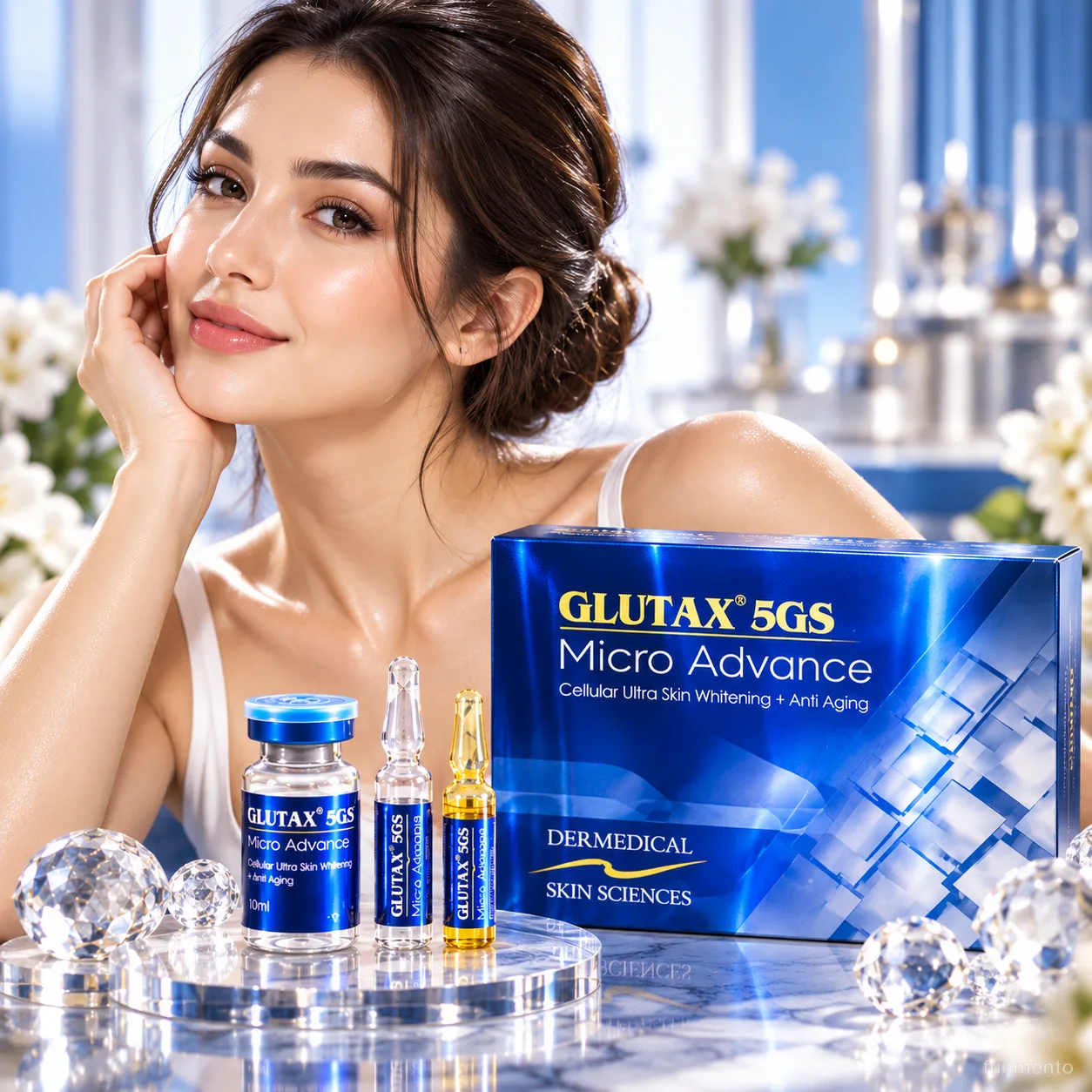
1Glutax 5GS Micro Advance
Our most-purchased glutathione — a comprehensive all-round pick. 5 units sold across 1 orders — rated 4.4 by verified buyers.
Shop Glutax 2
2Laennec Placenta 10 Ampoules (2ml)
Focused on skin repair and a refreshed, recovered look. 1 units sold across 1 orders — rated 4.1 by verified buyers.
Shop LaennecWhich one is right for you?
Skip the research — pick by what matters most to you. Each is a real customer favourite for that need.
How we ranked these products
This guide isn't pay-to-play. Here's exactly how the ranking is decided — and how it stays honest.
Real customer demand
We rank by verified purchases from real customers worldwide — not sponsored placements or ad spend.
Verified-buyer ratings
Star ratings come only from customers who actually bought and received the product.
Ingredients & form
We assess what's in each product and how it's delivered — injectable, oral or a full set.
Authenticity checked
Every product is verified authentic before it's listed — and you can check your own below.
Reviewed monthly
Rankings are re-checked and refreshed every month so this guide stays current.
Reviewed by The Funmento Team · Updated July 2026. We never accept payment for placement — the ranking reflects real customer behaviour, not who paid the most.
What is Glutathione and how does it work?
Glutathione is a small molecule made of three amino acids—cysteine, glycine and glutamate—that our bodies produce naturally in every cell. It is most abundant in the liver but can be found throughout the bloodstream, skin, and eyes. Because it is present in cells across the globe, people in the United States, Philippines, United Kingdom, South Africa, France, India, Saudi Arabia, United Arab Emirates, Australia and Sri Lanka all rely on it as part of everyday antioxidant support.
As a tripeptide, glutathione is water‑soluble and works inside the cell’s cytoplasm. Its unique structure allows it to donate electrons without becoming unstable, which is why it is often described as the body’s “master antioxidant.” By donating an electron, glutathione helps neutralize free radicals and can be regenerated again, keeping the antioxidant cycle active for many rounds of protection.
The recycling process depends on two partner enzymes—glutathione reductase and glutathione peroxidase. When a free radical is neutralized, glutathione turns into its oxidized form (GSSG). Glutathione reductase then uses NADPH to convert GSSG back to its reduced, active state (GSH). This continuous loop means that a single glutathione molecule can support antioxidant activity many times over, contributing to a healthier‑looking complexion and brighter‑looking skin.
Because the body’s own production can decline with age, stress, or intense environmental exposure, many people choose to supplement glutathione in ways that suit their lifestyle. Oral capsules, sublingual tablets, topical creams, and professional‑administered IV preparations are all commonly used in beauty routines worldwide. Each method delivers the molecule to different tissues, allowing users to target specific concerns such as skin tone, hair resilience, or overall antioxidant balance.
- Supports cellular antioxidant defenses
- Helps maintain a healthy‑looking skin tone
- Contributes to the regeneration of other antioxidants such as vitamin C and vitamin E
- Plays a role in detoxifying normal metabolic by‑products
| Form | Typical Use | How it’s Applied |
|---|---|---|
| Oral capsule | Supports systemic antioxidant balance | Swallowed with water |
| Sublingual tablet | May help support rapid absorption | Placed under the tongue and allowed to dissolve |
| Topical cream | Commonly used in beauty routines for skin | Massaged onto clean skin once or twice daily |
| IV infusion (by qualified healthcare professionals only) | Provides antioxidant support directly to bloodstream | Administered in a clinical setting |
Glutathione is generally well tolerated, but individual response can vary. Factors such as diet, existing nutrient levels, and genetic makeup influence how much of the supplement is absorbed and utilized. For people who prefer a natural approach, foods rich in cysteine—like garlic, onions, and cruciferous vegetables—can help the body maintain its own glutathione production. When choosing a supplement, look for products that list the three amino acids clearly and avoid claims that promise instant results.

The key benefits of Glutathione for skin and overall health
Glutathione is a naturally occurring molecule that plays a central role in the body’s antioxidant network. By helping to neutralize free radicals, it contributes to a more resilient cellular environment, which can translate into a healthier‑looking complexion and brighter‑looking skin. Because the body produces glutathione on its own, many people choose to supplement it to maintain optimal levels, especially when lifestyle factors place additional oxidative stress on the skin.
Antioxidant support for everyday resilience
When oxidative stress builds up, skin cells can appear dull and fatigued. Glutathione may help support the body’s own antioxidant defenses, allowing cells to recover more efficiently from daily environmental challenges such as UV exposure, pollution, and lifestyle‑related stressors. This support is especially valuable for individuals who spend a lot of time outdoors or live in urban areas where air quality can fluctuate.
Brightening and even‑tone assistance
One of the most talked‑about benefits of glutathione in beauty circles is its potential to promote a brighter‑looking complexion. By contributing to the reduction of melanin production, it may help support a more even skin tone without the need for harsh chemical agents. Users often report a subtle, radiant glow after consistent use, making it a popular addition to daily skincare routines.
Supports a healthy‑looking complexion
Beyond brightening, glutathione helps maintain the structural integrity of skin cells. It works alongside other antioxidants such as vitamin C and E to protect collagen and elastin fibers, which are essential for firmness and smoothness. This collaborative action can contribute to a supple, youthful appearance, especially when combined with a balanced diet and proper hydration.
May aid in maintaining cellular resilience
Cellular health is the foundation of overall well‑being. Glutathione participates in detoxification pathways that assist the body in processing metabolic by‑products. While it is not a treatment for any specific condition, maintaining adequate glutathione levels may help support the body’s natural ability to manage oxidative load, which in turn can reflect in clearer, more vibrant skin.
Common ways glutathione is used in beauty routines
- Oral supplements taken daily as part of a wellness regimen
- Topical creams or serums that deliver glutathione directly to the skin surface
- Professional‑grade IV infusions administered by qualified healthcare professionals only
| Delivery method | Typical usage | Key advantage |
|---|---|---|
| Oral supplement | Taken daily with water | Convenient and easy to incorporate into routine |
| Topical serum/cream | Applied to face or body each morning/evening | Direct contact with skin for localized support |
| IV infusion | Administered by qualified professionals | Higher concentration reaches cells quickly |
Because results vary from person to person, it can be helpful to track changes in skin tone, texture, and overall vitality over several weeks. Pairing glutathione with a balanced diet rich in fresh fruits, vegetables, and adequate hydration maximizes its potential to support a brighter‑looking, healthier‑looking complexion.

Glutathione: oral vs injectable forms compared
Glutathione is a naturally occurring antioxidant that many people incorporate into their daily routine for its potential to support a brighter‑looking complexion and overall cellular health. When deciding between oral capsules and injectable forms, it helps to understand how each delivery method works, what factors influence absorption, and what lifestyle considerations come into play.
Oral Glutathione: What to Expect
Oral glutathione supplements are typically taken as capsules, tablets, or powders that dissolve in water. Because the compound must travel through the digestive tract, its bioavailability can be influenced by stomach acidity, the presence of other nutrients, and individual gut health. Many users report a gradual, steady‑state effect that aligns with a daily supplement habit.
- Convenient for self‑administration at home.
- Often combined with vitamin C or alpha‑lipoic acid to aid absorption.
- May provide antioxidant support over weeks to months of consistent use.
- Effectiveness can vary based on digestive factors and personal metabolism.
Injectable Glutathione: How It Differs
Injectable glutathione bypasses the digestive system, delivering the antioxidant directly into the bloodstream. This route can result in a higher immediate concentration, which some people find beneficial for a quick boost of antioxidant support. Because the injection is administered by a qualified healthcare professional, the setting is typically a clinic or medical spa, and the procedure follows strict safety protocols.
| Feature | Oral | Injectable |
|---|---|---|
| Form | Capsule, tablet, or powder | Sterile solution for injection |
| Typical Use | Daily self‑administration | Scheduled visits with a professional |
| Absorption Pathway | Gastrointestinal tract | Directly into bloodstream |
| Frequency | Once daily or as directed | Often weekly or as recommended by provider |
| Typical Setting | Home or travel‑friendly | Clinic, medical spa, or hospital |
Both oral and injectable glutathione may help support antioxidant defenses and a healthy‑looking complexion, but the right choice depends on personal preference, lifestyle, and how quickly you’d like to notice a difference. Results vary from person to person, so it can be useful to start with one method, monitor how your skin and energy feel, and then consider a switch if you’re seeking a different pace of support.

How much Glutathione should you take, and how often?
Glutathione is a naturally occurring antioxidant that many people include in their daily routine to promote a brighter‑looking complexion and overall antioxidant support. Because the body manufactures its own supply, supplemental amounts are intended to complement—not replace—this internal production. The right amount for any individual depends on lifestyle, dietary patterns, and personal goals, so there is no one‑size‑fits‑all recommendation. Most experts suggest starting with a modest amount and adjusting based on how the body responds.
Key considerations when deciding on a daily amount include:
- Current dietary intake of sulfur‑rich foods (e.g., cruciferous vegetables, garlic)
- Desired skin‑brightening or antioxidant support outcomes
- Existing supplement regimen and potential overlaps
- Age, body weight, and activity level
- Any known sensitivities or contraindications
- Guidance from a qualified healthcare professional
Supplemental glutathione is available in several formats, each with its own absorption profile. Oral capsules or tablets are the most common entry point for everyday use, while sublingual lozenges aim to bypass some digestive breakdown. Topical creams are frequently used in beauty routines for localized antioxidant support. For those seeking a more intensive approach, intravenous administration is reserved for qualified healthcare professionals and is typically scheduled at intervals determined by clinical assessment.
Below is a quick reference that outlines the most common formats and typical usage patterns.
| Form | Typical Use | Frequency |
|---|---|---|
| Oral capsule/tablet | Supports whole‑body antioxidant levels | Once daily or as directed |
| Sublingual lozenge | May provide faster entry into bloodstream | 1‑2 times daily |
| Topical cream | Provides localized antioxidant support for skin | Apply 1‑2 times per day |
| Intravenous infusion | For administration by qualified healthcare professionals only | Frequency determined by professional |
Frequency of intake is another variable that often confuses newcomers. Most oral products are designed for once‑daily consumption, but some people split the dose to twice a day to maintain steadier levels throughout the day. Timing can also matter; taking glutathione on an empty stomach may improve absorption, while pairing it with vitamin C‑rich foods can enhance antioxidant synergy. Listening to how your body feels after each dose helps you fine‑tune both amount and schedule.
Putting the pieces together, a practical approach is to choose a form that fits your routine, start with the lowest recommended amount, and monitor how your skin and overall vitality feel over a few weeks. If you notice a brighter‑looking complexion or enhanced energy, you may maintain that level; if not, adjusting the amount or switching formats can be explored. Remember, results vary from person to person, and professional guidance ensures the dosage aligns with your unique needs. Consistent use over several weeks typically gives the clearest picture of how the supplement fits into your personal wellness routine.

How long does Glutathione take to show results?
Glutathione is a naturally occurring antioxidant that many people include in their daily routine to promote brighter‑looking skin and overall antioxidant support. Because the body regulates glutathione levels tightly, the visible effects can vary from person to person. Most users notice subtle changes within a few weeks, while more pronounced shifts often appear after several months of consistent use.
Key factors that influence timing
The speed at which glutathione may help support a healthier appearance depends on a mix of lifestyle, formulation, and individual biology. Understanding these variables can help set realistic expectations.
- Baseline glutathione levels – individuals with lower natural stores may see changes sooner after supplementation.
- Form of the product – oral capsules, liposomal powders, and topical creams each have different absorption profiles.
- Dietary habits – a diet rich in sulfur‑containing foods (e.g., garlic, onions, cruciferous vegetables) can boost the body’s own production.
- Age and metabolic rate – younger skin cells typically turn over faster, which can accelerate visible outcomes.
- Consistency of use – daily intake without long gaps tends to produce steadier results.
When you pair a high‑quality glutathione supplement with a balanced diet and regular skin‑care routine, the antioxidant’s supportive effects often become noticeable in a stepwise fashion.
| Typical observation window | What you may notice | Supporting habits |
|---|---|---|
| 2–4 weeks | A subtle, brighter‑looking complexion and a sense of refreshed skin tone | Maintain hydration and include vitamin C‑rich foods |
| 4–8 weeks | Improved skin elasticity and reduced appearance of dullness | Add gentle exfoliation and protect skin from UV exposure |
| 8+ weeks | More consistent antioxidant support, with skin looking healthier and more resilient | Continue balanced nutrition and regular sleep patterns |
Remember, results vary from person to person. If you are using glutathione as part of a beauty routine, give the product at least eight weeks before deciding whether the change aligns with your personal goals. Patience and consistency are the best allies for seeing the antioxidant’s supportive benefits.

Glutathione side effects and safety: what to know
Glutathione is a naturally occurring antioxidant that many people incorporate into daily routines for its potential to support a brighter‑looking complexion and overall cellular resilience. Because the molecule is present in every cell, supplement forms—oral capsules, topical creams, and professional‑administered injections—are marketed across the United States, United Kingdom, India, and other regions as part of beauty and wellness regimens.
When used as directed, most individuals report only mild, temporary sensations. The most frequently mentioned experiences include a faint metallic taste, mild gastrointestinal discomfort, or a brief skin tingling when a topical product is applied. These sensations typically resolve on their own and do not require medical intervention.
- Mild nausea or stomach upset
- Transient skin redness or itching
- Light‑headedness that passes within a few minutes
- Occasional headache, especially when starting a new regimen
Safety can vary depending on the delivery method and personal factors such as age, existing supplement use, and underlying health status. Oral forms are generally well‑tolerated, but they may interact with certain minerals, reducing absorption. Topical applications are limited to the skin surface, reducing systemic exposure, yet individuals with sensitive skin should perform a patch test first. Intravenous administration is reserved for qualified healthcare professionals, and the procedure should be performed in a setting that follows local medical‑practice standards.
| Route | Typical Use | Common Mild Reactions | Key Safety Note |
|---|---|---|---|
| Oral capsules / tablets | Daily supplement | Stomach upset, metallic taste | Take with food to ease digestion |
| Topical cream / serum | Skin‑care routine | Redness, itching | Patch test 24‑48 hrs before full‑face use |
| IV infusion (professional only) | Clinic‑based antioxidant support | Light‑headedness, brief vein irritation | Administered by qualified professionals only |
Across markets such as the Philippines, Saudi Arabia, and South Africa, regulatory bodies encourage consumers to verify product labeling, avoid unverified claims, and prioritize products that disclose clear ingredient lists. Choosing reputable brands, adhering to recommended usage frequencies, and staying informed about local guidelines helps ensure that glutathione fits safely into a personalized wellness plan.
In summary, glutathione may help support antioxidant balance and a radiant appearance, but like any supplement, it works best when integrated thoughtfully. Monitoring how your body responds, respecting the recommended administration routes, and seeking professional advice when needed are the cornerstones of a safe and enjoyable experience.

Can you take Glutathione with vitamin C?
Glutathione is a naturally occurring antioxidant that helps maintain cellular health and supports a bright‑looking complexion. Vitamin C, another powerful antioxidant, is known for its role in collagen synthesis and for helping protect cells from oxidative stress. When both are present, they can work together in the body’s antioxidant network, potentially enhancing each other's ability to neutralise free radicals.
Across the United States, Europe, Asia, the Middle East and Africa, the combination is commonly found in oral supplements, topical creams, and beauty‑focused formulations. Regulatory bodies in each market—such as the FDA in the US, the European Food Safety Authority in the EU, and the Food and Drug Administration of India—allow these ingredients to be marketed as supporting antioxidant balance, provided the language stays within “support‑language” guidelines.
- May help support a healthier‑looking skin tone when used consistently.
- Helps support the body’s natural antioxidant defenses.
- Can contribute to a brighter‑looking complexion in conjunction with a balanced diet.
- Often included in beauty routines for its potential to reduce the appearance of dullness.
- Vitamin C can aid in the regeneration of glutathione after it has been oxidised.
- Both ingredients are generally well tolerated when taken as directed.
| Form | Typical Use | Key Benefit |
|---|---|---|
| Oral capsule | Taken daily with water | Supports antioxidant balance from within |
| Topical serum | Applied to clean skin morning and night | Helps promote brighter‑looking skin surface |
Results can vary from person to person, and the optimal routine may depend on individual lifestyle, dietary habits, and local product regulations. If you have specific skin‑care goals or concerns, consider consulting a qualified healthcare professional who can advise on the best combination for your needs. Remember, the combination is intended for support, not as a treatment, and should be part of a broader approach that includes a balanced diet and proper skin protection.

How to choose a genuine Glutathione product
Glutathione has become a popular ingredient in beauty and wellness routines across the United States, Philippines, United Kingdom, South Africa, France, India, Saudi Arabia, UAE, Australia, and Sri Lanka. With many options on the market, spotting a product that truly delivers the promised antioxidant support can feel overwhelming. The following guide walks you through the most reliable checkpoints, so you can make a confident purchase without relying on vague marketing claims.
Key factors to inspect
- Transparent ingredient list – look for the exact form of glutathione (e.g., reduced, acetylated) and any supporting antioxidants.
- Third‑party testing – certificates of analysis (COA) from an independent lab show purity and potency.
- Packaging integrity – tamper‑evident seals, batch numbers, and clear expiration dates protect product quality.
- Regulatory compliance – ensure the label follows the rules of your country’s health authority (e.g., FDA for the US, MHRA for the UK, CDSCO for India).
- Price consistency – unusually low prices often signal compromised sourcing or insufficient testing.
- Reputable distribution channel – buy from authorized retailers, pharmacies, or the manufacturer’s official website.
Understanding label terminology
Manufacturers may list glutathione as "reduced glutathione," "acetylated glutathione," or "sodium glutathione." Reduced glutathione is the active antioxidant form most commonly used for skin‑brightening and antioxidant support. Acetylated versions are marketed for better stability, while sodium salts improve solubility in liquid formats. Knowing which form appears on the label helps you compare potency across brands.
| Form | Typical Use | Administration | Who can purchase |
|---|---|---|---|
| Oral capsule | Daily antioxidant support | Swallow with water | General consumer |
| Liposomal liquid | Enhanced absorption for skin health | Shake and drink | General consumer |
| Topical cream | Brightening‑looking skin | Apply to clean skin | General consumer |
| IV infusion | Professional antioxidant boost | For administration by qualified healthcare professionals only | Prescription/clinic only |
Where to buy with confidence
Trusted sources include national pharmacy chains, well‑known e‑commerce platforms that partner directly with the brand, and the official website of the manufacturer. In regions such as Saudi Arabia and the UAE, look for a local distributor listed on the label, as this often indicates compliance with Gulf Cooperation Council (GCC) standards.
- 1Visit the brand’s website and locate the product’s COA or lab results.
- 2Confirm that the label includes a tamper‑evident seal, batch number, and expiration date.
- 3Compare the listed price with similar products; large price gaps may warrant extra scrutiny.
- 4Read recent customer reviews for clues about packaging integrity and perceived effectiveness.
- 5Purchase from a retailer that offers a clear return policy and responsive customer service.
Choosing a genuine glutathione supplement is less about hype and more about the details on the label, the credibility of the testing process, and the reliability of the retailer. By following these checkpoints, you can select a product that offers consistent antioxidant support and aligns with the regulations of your market.

Glutathione price and value: what to expect
Glutathione is a popular antioxidant that appears in many beauty and wellness products. Because the market offers capsules, powders, creams, and injectable forms, price can vary widely. Understanding the factors that drive cost helps you decide whether a product aligns with your personal budget and the level of antioxidant support you’re looking for.
Below is a quick snapshot of typical price ranges you’ll encounter in the United States, United Kingdom, India, and other key regions. Prices are shown as an approximate range per unit of purchase; actual cost may differ based on brand reputation, packaging size, and local taxes.
| Form | Typical Price (USD) | Typical Price (Local Currency) |
|---|---|---|
| Oral capsules (500 mg) | $12‑$25 | £9‑£20 / ₹900‑₹1,800 / AED 45‑AED 95 |
| Powder (1 g) | $15‑$30 | £12‑£25 / ₹1,200‑₹2,400 / AED 55‑AED 110 |
| Topical cream (30 ml) | $20‑$45 | £16‑£35 / ₹1,600‑₹3,500 / AED 70‑AED 160 |
| IV infusion (per session) | $150‑$300 | £120‑£250 / ₹12,000‑₹25,000 / AED 550‑AED 1,100 |
Several key variables influence these numbers:
- Purity level – products marketed as “pharmaceutical‑grade” or “research‑grade” often carry a premium.
- Manufacturing location – imports from regions with higher regulatory costs can raise the final price.
- Packaging – amber glass bottles or air‑free sachets add to production expenses.
- Supply chain – bulk orders and local distribution reduce shipping fees, while single‑unit imports increase them.
When comparing oral and topical options, consider the intended use. Oral capsules are often chosen for systemic antioxidant support, while creams are popular for a brighter‑looking complexion. IV infusions, which must be administered by qualified healthcare professionals only, are typically sought for a more immediate, intensive boost.
If you’re shopping online, keep an eye on shipping costs and any import duties that may apply in your country. Some retailers offer subscription discounts that can lower the per‑unit price by 10‑15 % after the first purchase.
In summary, expect to spend anywhere from $12 for a basic oral capsule to $300 for a single IV session. Align your choice with the level of antioxidant support you’re seeking, the form that fits your routine, and the credibility of the brand. This balanced approach helps you get the most value without compromising safety.

How to make sure your product is real
Counterfeits exist in this category. Here's how to protect yourself, and how we guarantee what you buy.
How to spot a genuine product
- Check the safety seals and packaging are intact and factory-sealed — never accept a broken or resealed box.
- Look for a batch or serial code on the box, and make sure it matches the code on the vial or sachet.
- Buy only from authorised sellers — not random social-media resellers or unverified marketplaces.
- Be wary of prices far below the market: a huge discount often means a fake or a refill.
Our authenticity guarantee
100% authentic
Every item is genuine, sourced through authorised channels — never imitations or refills.
Sealed & verified
Products arrive factory-sealed, with intact safety seals and batch codes you can check.
Quality reviewed
Each listing is checked against our standards before it goes on sale.
Genuine or money back
If a product isn't authentic, we'll make it right — full refund, no hassle.
Frequently asked questions (8)
Is Glutathione safe?
How long until I see results from Glutathione?
Should I take Glutathione orally or by injection?
Can I take Glutathione with vitamin C?
How much Glutathione should I take?
Who should avoid Glutathione?
Does Glutathione really work for skin?
How do I know if my Glutathione is authentic?
Kept fresh, not forgotten
This is an evergreen guide. Instead of posting a new dated article every month, we keep this page and refresh it as the market changes — so the link you bookmark always has the current answer.
What we re-check every update
- Rankings — re-scored against the latest real customer demand.
- Prices — refreshed so every figure matches checkout.
- Ratings — pulled live from verified buyers.
- Products — new arrivals added, discontinued items removed.
- Safety & regulatory info — reviewed against current advisories.
Keep exploring
Jump straight to a product, browse a category, or read a related guide.
This guide is general information, not medical advice. Results vary from person to person. Follow each product's label, and have injectable products administered by a licensed professional.