Skin Concern
Best Glutathione for Melasma: Products, Routine & What to Expect
How glutathione fits into a melasma-friendly routine, the products our customers reach for, and honest, realistic expectations.
Short answer: Glutax 5GS Micro Advance is our top overall pick — chosen from real, verified customer purchases, not paid placements. Glutathione may help support a brighter, more even-looking complexion, which is why it is popular with melasma-prone skin. It works best paired with vitamin C and daily sun protection as part of a consistent routine — our most-purchased brightening picks are below.
By The Funmento Team, Health & Beauty Editors · Updated July 2026 · 14 min read

Top picks at a glance
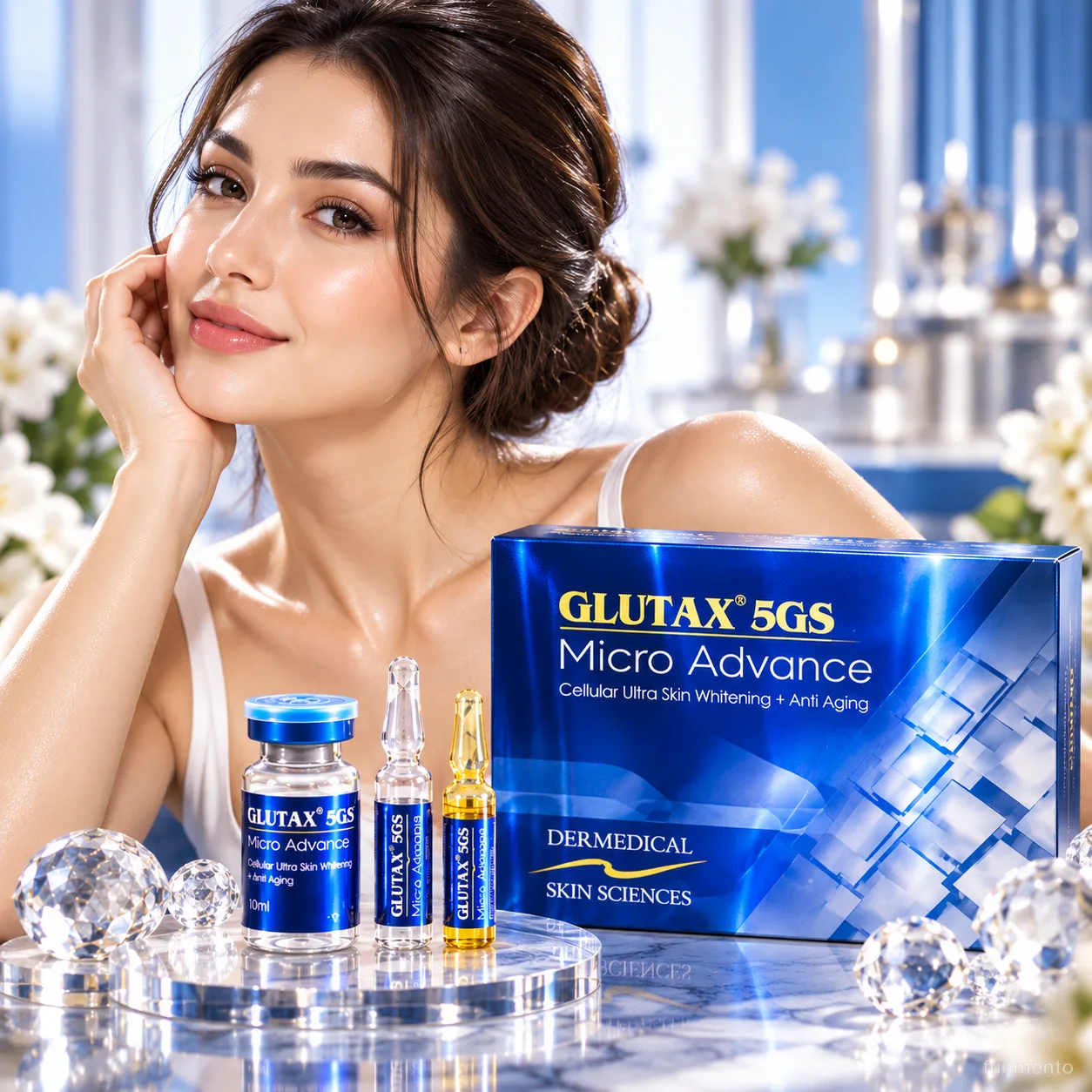
Ranked by real sales- 1Best overallGlutax 5GS Micro Advance$114.04★ 4.4 · Bestseller
- 2Best valueLaennec Placenta 10 Ampoules (2ml)$71.93★ 4.1 · Very popular
Ranked by real, verified purchases — not paid placements.
How the top picks compare
Every recommendation side by side — ranked by real customer demand, with price and who each one suits best.
| # | Product | Price | Rating | Popularity | Best for | Shop |
|---|---|---|---|---|---|---|
| 1 | Glutax 5GS Micro AdvanceBest overall | $114.04 | ★ 4.4 | Bestseller | Our most-purchased glutathione for antioxidant support and a brighter-looking complexion. | Shop |
| 2 | Laennec Placenta 10 Ampoules (2ml)Best value | $71.93 | ★ 4.1 | Very popular | Focused on skin repair and a refreshed, recovered look. | Shop |
Popularity reflects verified customer demand on Funmento. Prices shown in USD; final price and availability confirmed at checkout.
Why these are our top picks
Each pick reviewed — what it is, who it suits — ranked by real customer demand.
 1
1Glutax 5GS Micro Advance
Our most-purchased glutathione for antioxidant support and a brighter-looking complexion. 5 units sold across 1 orders — rated 4.4 by verified buyers.
Shop Glutax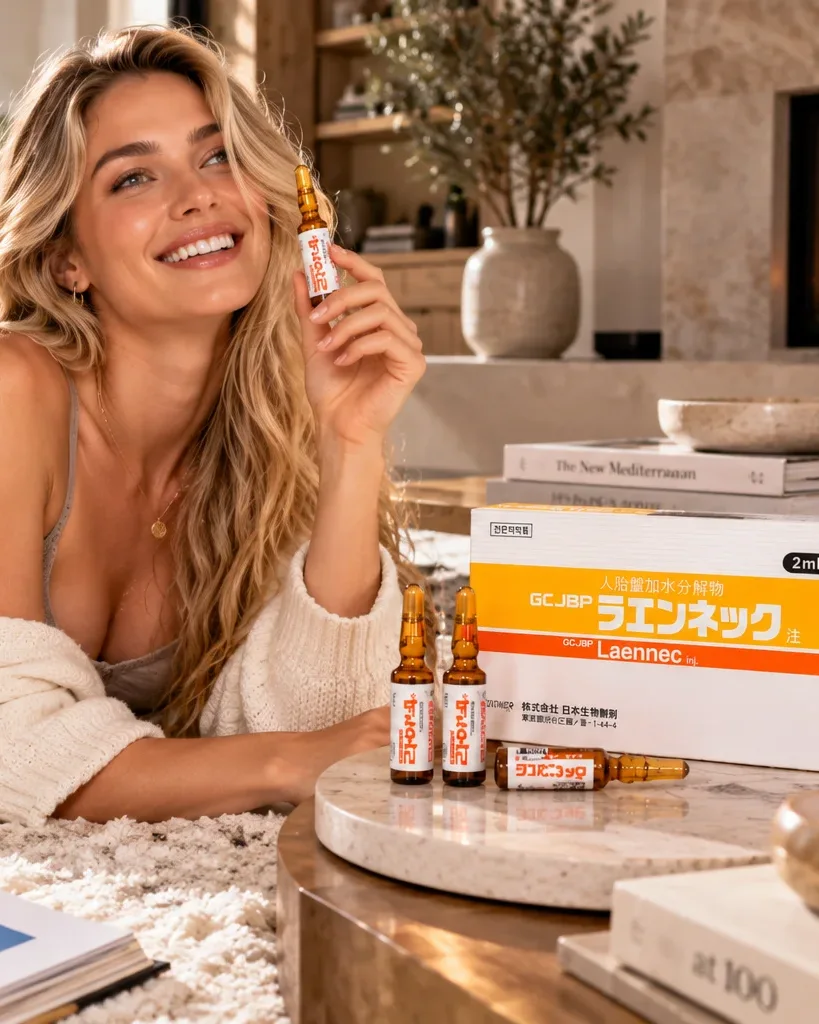 2
2Laennec Placenta 10 Ampoules (2ml)
Focused on skin repair and a refreshed, recovered look. 1 units sold across 1 orders — rated 4.1 by verified buyers.
Shop LaennecWhich one is right for you?
Skip the research — pick by what matters most to you. Each is a real customer favourite for that need.
How we ranked these products
This guide isn't pay-to-play. Here's exactly how the ranking is decided — and how it stays honest.
Real customer demand
We rank by verified purchases from real customers worldwide — not sponsored placements or ad spend.
Verified-buyer ratings
Star ratings come only from customers who actually bought and received the product.
Ingredients & form
We assess what's in each product and how it's delivered — injectable, oral or a full set.
Authenticity checked
Every product is verified authentic before it's listed — and you can check your own below.
Reviewed monthly
Rankings are re-checked and refreshed every month so this guide stays current.
Reviewed by The Funmento Team · Updated July 2026. We never accept payment for placement — the ranking reflects real customer behaviour, not who paid the most.
What is Melasma and what causes it?
Melasma appears as irregular, brown‑to‑gray patches that typically develop on the cheeks, forehead, upper lip, and bridge of the nose. The coloration is a form of hyperpigmentation caused by an increase in melanin production, giving the skin a darker‑looking appearance that can be symmetrical or patchy.
While melasma is not a medical disease, it is a common skin concern that many people notice when they look in the mirror. The condition can affect anyone, but it is especially noticeable on skin tones that naturally have higher melanin levels, making the contrast more pronounced.
Key factors that influence melasma development
- Hormonal fluctuations – pregnancy, oral contraceptives, and hormone replacement therapy can shift melanin activity.
- Sun exposure – ultraviolet (UV) and visible light stimulate melanocytes, deepening pigment.
- Genetic predisposition – family history often signals a higher likelihood of developing melasma.
- Skin‑care ingredients – certain irritants or photosensitizing agents may amplify pigment response.
- Medications – some drugs, such as certain antibiotics or anti‑seizure meds, have been linked to pigment changes.
- Inflammation – post‑inflammatory hyperpigmentation from acne or injury can merge with melasma patterns.
- Nutritional status – deficiencies in antioxidants like vitamin C may reduce the skin’s resilience to oxidative stress.
Understanding these contributors helps individuals recognize why melasma may appear or intensify at specific life stages. For example, a woman who starts a new birth‑control pill might notice new patches within weeks, while a frequent traveler to sunny destinations could see a gradual darkening over months.
Regional variations in triggering factors
| Region | Most common trigger |
|---|---|
| United States | Sun exposure combined with hormonal changes |
| Philippines | High UV index and tropical climate |
| United Kingdom | Hormonal fluctuations with limited sun protection |
| South Africa | Intense sunlight and genetics |
| France | Hormonal factors and cosmetic ingredient sensitivity |
| India | Sun exposure and genetic predisposition |
| Saudi Arabia | Year‑round UV exposure |
| UAE | Sunlight and hormonal influences |
| Australia | Strong UV radiation |
| Sri Lanka | Sun exposure and skin‑type susceptibility |
Because melasma is tied to several lifestyle and biological elements, a holistic view—considering hormone levels, sun habits, and product choices—offers the most realistic pathway to managing its appearance. Results vary from person to person, and a personalized approach often yields the most satisfying, brighter‑looking outcome.

Does glutathione help with Melasma?
Melasma is a form of hyperpigmentation that typically appears as brown‑to‑gray patches on the face, often triggered by hormonal shifts, sun exposure, and genetic predisposition. While the condition itself is benign, many people seek ways to achieve a more uniform, brighter‑looking complexion. Understanding the role of skin‑supporting ingredients helps set realistic expectations and guides a balanced routine.
Glutathione is a naturally occurring antioxidant found in every cell of the body. In skincare, it is prized for its ability to neutralize free radicals and to participate in the melanin synthesis pathway, where it can influence the conversion of darker pigments to lighter ones. Because of these actions, glutathione is commonly used in beauty routines aimed at supporting an even skin tone.
- Hormonal fluctuations (e.g., pregnancy, oral contraceptives)
- Chronic exposure to ultraviolet or visible light
- Genetic factors that affect melanin activity
- Inflammatory skin conditions that leave post‑inflammatory marks
- Lifestyle influences such as smoking or certain medications
Research suggests that glutathione may help support a brighter‑looking complexion by reducing oxidative stress and moderating melanin production. In oral form, it is taken as a supplement that may complement topical applications, which are typically formulated as serums or creams. Neither route is a designed solution, but many users report a subtle improvement in skin radiance after several weeks of consistent use.
| Form | Typical Use | Key Benefit |
|---|---|---|
| Oral supplement | Taken daily with water | Supports antioxidant defenses from within |
| Topical serum | Applied morning and night | Delivers glutathione directly to the skin surface |
Safety considerations are important. Glutathione products intended for skin application should be used for administration by qualified healthcare professionals only when delivered via injectable routes. For oral or topical formats, follow the manufacturer's instructions and consult a dermatologist if you have underlying skin concerns or are using other active ingredients.
In summary, glutathione may help support a more even, brighter‑looking complexion for those dealing with melasma, especially when combined with sun protection and a gentle skincare regimen. As with any ingredient, individual response can differ, so tracking progress and adjusting the routine in consultation with a skin‑care professional is advisable.

The best products for Melasma
When choosing a routine for melasma‑prone skin, the focus is on ingredients that may help support an even skin tone while protecting the barrier from further pigment‑triggering stress. Products that combine gentle brightening actives with broad‑spectrum sun protection tend to be the most consistently referenced by dermatologists and skin‑care professionals across the United States, United Kingdom, India, and other key markets.
Key considerations include: • Broad‑spectrum SPF 30 or higher – UV exposure is a primary driver of melasma, so daily sunscreen is the foundation of any regimen. • Antioxidant‑rich serums – Vitamin C, ferulic acid, and niacinamide can provide antioxidant support and may help brighten the complexion. • Gentle exfoliating agents – Low‑strength azelaic acid or tranexamic acid are commonly used to support a more uniform pigment profile without irritating the skin.
- Vitamin C serum (10‑15 % L‑ascorbic acid) – supports antioxidant defense and may help brighten the appearance of dark spots.
- Niacinamide cream (5 % concentration) – helps support barrier health while promoting a more even skin tone.
- Azelaic acid gel (10‑15 % formulation) – commonly used in beauty routines to support a clearer‑looking complexion.
- Tranexamic acid lotion (2‑5 % concentration) – may help reduce the visual intensity of existing pigment.
- Mineral‑based sunscreen with zinc oxide or titanium dioxide – provides broad‑spectrum protection without chemical filters that can irritate sensitive skin.
Below is a quick‑reference table that matches each product type with its typical usage frequency and the skin types that tend to benefit most. Remember, results vary from person to person, and consistency is key.
| Product Type | Key Ingredient | Typical Use | Best For |
|---|---|---|---|
| Vitamin C Serum | L‑ascorbic acid | Morning, once daily | Normal‑to‑dry skin |
| Niacinamide Cream | Niacinamide | Morning & night, once or twice daily | All skin types, especially oily or combination |
| Azelaic Acid Gel | Azelaic acid | Evening, 1‑2 times per week | Sensitive or acne‑prone skin |
| Tranexamic Acid Lotion | Tranexamic acid | Evening, 1‑2 times per week | Darker skin tones |
| Mineral Sunscreen | Zinc oxide / titanium dioxide | Morning, reapply every 2 hours | All skin types, especially sensitive |
For those who prefer a single‑step solution, many brands now offer hybrid moisturizers that combine niacinamide, vitamin C, and mineral SPF. These multi‑tasking formulas are designed for easy integration into busy lifestyles while still offering the supportive ingredients highlighted above.
If you are considering an injectable option such as a professional‑grade pigment‑targeting treatment, it should only be administered by a qualified healthcare professional. The decision to use injectables is personal, and outcomes can differ based on individual skin characteristics and adherence to post‑procedure care.
Ultimately, the most effective melasma routine is built on consistent sun protection, gentle brightening actives, and products that respect the skin’s barrier. Pairing these elements with a balanced diet and stress‑management practices can further support a brighter‑looking complexion over time.

Building a skincare routine for Melasma
Melasma‑related pigmentation often appears after sun exposure, hormonal shifts, or certain skincare habits. While the condition itself is not a disease, many people look for a routine that supports an even, brighter‑looking complexion and reduces the visibility of dark patches. Below is a step‑by‑step guide that blends gentle cleansing, sun protection, and supportive actives, suitable for a range of skin types found across the United States, Philippines, United Kingdom, South Africa, France, India, Saudi Arabia, UAE, Australia, and Sri Lanka.
1. Cleanse with a low‑irritation formula
Start every morning and evening with a sulfate‑free cleanser that removes surface oil without stripping the skin’s natural barrier. Look for ingredients such as glycerin, panthenol, or oat extract, which provide soothing hydration while helping to maintain a healthy‑looking surface.
- Gel‑based cleansers for oily or combination skin
- Cream‑based cleansers for dry or sensitive skin
- Micellar water (no‑rinse) for quick morning refresh
2. Prioritise broad‑spectrum sun protection
UV exposure is the biggest external factor that deepens melasma‑related spots. A sunscreen that offers at least SPF 30 and protects against both UVA and UVB rays can help support a more uniform complexion.
| Sunscreen Type | Key Feature | Typical Use |
|---|---|---|
| Mineral (zinc oxide / titanium dioxide) | Physical barrier, less likely to cause irritation | Ideal for sensitive skin or after procedures |
| Chemical (avobenzone, octocrylene, etc.) | Thin texture, easy to layer under makeup | Good for oily or humid climates |
| Hybrid (mix of mineral & chemical) | Balanced protection, moderate feel | Versatile for most skin types |
3. Add supportive actives after cleansing
While no single ingredient can erase melasma, several actives are commonly used in beauty routines to promote a brighter‑looking tone. Choose one that aligns with your skin’s tolerance and apply it before moisturizer.
- Niacinamide (2‑5 %): may help support an even skin tone and strengthen barrier function
- Azelaic acid (10‑15 %): often used for its antioxidant support and ability to reduce the appearance of dark spots
- Vitamin C derivatives (e.g., magnesium ascorbyl phosphate): provide antioxidant support and may brighten the complexion
If you prefer a serum format, look for a lightweight, fast‑absorbing product that mentions “helps support a brighter‑looking appearance” on the label. Results vary from person to person.
4. Seal in moisture
A non‑comedogenic moisturizer with ingredients like hyaluronic acid, ceramides, or squalane helps keep the skin hydrated, which can reduce the contrast between pigmented and non‑pigmented areas.
- Gel‑cream moisturizers for hot, humid environments (e.g., Philippines, UAE)
- Richer creams for cooler climates (e.g., United Kingdom, South Africa)
- Fragrance‑free options for sensitive skin (common in Saudi Arabia and India)
5. Optional night‑time boosters
For those who want an extra layer of support, consider a nighttime product that contains gentle exfoliating agents such as polyhydroxy acids (PHAs). These may help support a smoother texture without the harshness of stronger acids.
| Morning Routine | Cleanser → Sunscreen → Light serum (optional) → Moisturizer |
| Evening Routine | Cleanser → Supportive active → Moisturizer → Night booster (if used) |
Consistency is the cornerstone of any routine aimed at supporting a brighter‑looking complexion. By pairing gentle cleansing, reliable sun protection, and actives that offer antioxidant support, you create a foundation that helps the skin appear more even over time, regardless of the climate you call home.

Melasma: what results to realistically expect
Melasma appears as brown‑to‑gray patches that often develop on the cheeks, forehead, or upper lip. Because the pigment is produced by cells called melanocytes, any change in appearance relies on how those cells respond to external and internal cues. Expectation‑setting starts with the understanding that visible shifts are usually modest and develop over weeks to months.
A consistent skin‑care routine that includes gentle cleansing, targeted brightening serums, and daily broad‑spectrum sunscreen is the most common approach people use to support a healthier‑looking complexion. Ingredients such as niacinamide, licorice root extract, or vitamin C may help support a more even tone, but the degree of change varies from person to person.
When you begin a new routine, the first visible sign of progress is often a subtle softening of the darkest edges. Full‑field lightening, if it occurs, tends to be incremental—usually a shade or two over a period of 8‑12 weeks. Patience is key; abrupt changes are rare.
Typical timeline of visible changes
- 1Weeks 1‑2: Skin may feel smoother; any redness from new actives usually settles.
- 2Weeks 3‑6: Early fading of the most pigmented spots can become noticeable under good lighting.
- 3Weeks 7‑12: A broader, more uniform tone often emerges; results continue to evolve slowly.
- 4Beyond 12 weeks: Maintenance becomes the focus—consistent sunscreen and supportive serums keep the brighter‑looking appearance.
Lifestyle factors such as hormonal fluctuations, stress levels, and exposure to heat can influence how quickly pigment responds. While a product may help support a brighter‑looking complexion, it does not designed a long-lasting-looking shift.
| Factor | Potential impact on results |
|---|---|
| Sun exposure | Higher UV load may slow fading; diligent sunscreen use accelerates visible change |
| Hormonal changes | Fluctuations can cause temporary darkening, requiring longer support periods |
| Skin type | Darker skin tones may show slower but more noticeable contrast when improvement occurs |
| Product consistency | Regular application (morning & night) often yields steadier progress |
If you notice no change after 12 weeks, consider revisiting the routine with a qualified skin‑care professional. They can recommend alternative actives or suggest professional‑grade options that are for administration by qualified healthcare professionals only.
In summary, realistic expectations center on gradual, modest brightening that supports a more even‑looking complexion. Results differ across individuals, and the most reliable path forward combines consistent product use, diligent sun protection, and patience.

Daily habits that help manage Melasma
Melasma often appears as brown‑gray patches that become more noticeable when the skin is exposed to sunlight. While genetics and hormonal changes play a role, everyday choices can influence how the pigment behaves. Incorporating a few mindful habits may help support a more even, brighter‑looking complexion.
Sun protection is the cornerstone of any routine aimed at managing melasma. Broad‑spectrum sunscreen shields the skin from UVA and UVB rays that can deepen existing spots. In sunny regions such as the United States, Australia, and the United Arab Emirates, re‑applying every two hours is especially important.
- Choose a sunscreen with at least SPF 30 and a visible‑light filter.
- Apply a pea‑size amount to the face 15 minutes before stepping outdoors.
- Re‑apply after swimming, sweating, or wiping the face.
- Pair sunscreen with a wide‑brim hat and UV‑protective sunglasses.
- Store sunscreen in a cool, dry place to maintain effectiveness.
Antioxidant‑rich skin‑care can provide additional support by neutralising free radicals that arise from UV exposure. Products containing vitamin C, niacinamide, or licorice extract are commonly used in beauty routines across the Philippines, India, and South Africa to promote a healthier‑looking tone.
| Ingredient | Potential benefit for melasma‑prone skin |
|---|---|
| Vitamin C (ascorbic acid) | May help support brighter‑looking spots and boost collagen |
| Niacinamide | Supports even tone and reduces the appearance of discoloration |
| Licorice root extract | Provides antioxidant support and may help calm pigment |
Gentle cleansing preserves the skin’s barrier, preventing irritation that can trigger pigment changes. In markets such as France and the United Kingdom, a sulfate‑free cleanser is often recommended for daily use.
- 1Wet the face with lukewarm water.
- 2Massage a pea‑size amount of cleanser using fingertips for 20‑30 seconds.
- 3Rinse thoroughly and pat dry with a soft towel.
- 4Follow with a hydrating toner or serum that contains antioxidant ingredients.
- 5Seal moisture with a lightweight, non‑comedogenic moisturizer.
Lifestyle factors also play a subtle role. A balanced diet rich in fruits, vegetables, and omega‑3 fatty acids can provide internal antioxidant support. Adequate sleep and stress‑management techniques, such as brief meditation or gentle yoga, are frequently cited in Sri Lankan and Saudi Arabian wellness guides.
By weaving these habits into daily life—sun protection, antioxidant care, gentle cleansing, and mindful nutrition—you create a supportive environment for skin that looks brighter and feels more balanced. Remember, individual results may differ, and the best approach is one that fits your routine and cultural context.

How to choose the right products for Melasma
When selecting products to address melasma‑related skin darkening, start by clarifying your primary goal. Most people look for a routine that supports a brighter‑looking complexion while protecting the skin from further pigment‑triggering factors. Consider whether you prefer a simple at‑home regimen, a blend of topical and oral options, or occasional professional visits. Your choice should align with your daily schedule, skin sensitivity, and the level of antioxidant support you want in your beauty routine.
Product categories to explore
- Topical light‑diffusing creams or gels
- Serums with brightening actives
- Broad‑spectrum sunscreen (SPF 30+)
- Oral supplements offering antioxidant support
- Professional procedures performed by qualified healthcare professionals only
Key ingredients that may help support a more even tone
Ingredients are the backbone of any melasma‑focused product. Look for actives that are commonly used in beauty routines for their ability to promote a healthier‑looking complexion without aggressive claims. These components often provide antioxidant protection, help reduce the appearance of dark spots, and support the skin’s natural barrier.
| Ingredient | Typical Benefit |
|---|---|
| Niacinamide | Supports a brighter‑looking tone and barrier function |
| Azelaic Acid | May help support reduction of pigment appearance |
| Vitamin C (L‑ascorbic acid) | Provides antioxidant support and brightening |
| Licorice Extract (Glabridin) | Helps support even‑tone appearance |
| Tranexamic Acid (topical) | May help support discoloration reduction |
Matching product to skin type and lifestyle
Your skin’s oil level, sensitivity, and exposure to sunlight dictate which formulation will feel most comfortable. For oily or combination skin, lightweight gels or serum textures tend to absorb quickly and reduce the chance of a greasy finish. Dry or mature skin often benefits from richer creams that also deliver moisturizing antioxidants. If you spend a lot of time outdoors, a sunscreen that feels breathable yet offers broad‑spectrum protection should be the foundation of every routine.
- Identify your skin type (oily, dry, combination, sensitive).
- Choose a texture that matches your daily routine (gel, serum, cream).
- Prioritize SPF 30+ for daytime use, regardless of product type.
- Consider fragrance‑free formulas if you have a history of irritation.
- Look for products that list multiple brightening actives for layered support.
Budget and sustainability considerations
Effective melasma support does not have to break the bank, but price often reflects formulation stability and packaging quality. Compare ingredient concentrations, the presence of supportive antioxidants, and the brand’s commitment to sustainable sourcing. Opt for products that use recyclable packaging and responsibly sourced botanical extracts when possible—these choices align with a longer‑term, environmentally conscious beauty plan.
- Set a realistic monthly spend range and prioritize core items (sunscreen, brightening serum).
- Check for refillable or recyclable containers to reduce waste.
- Read reviews for real‑world performance; results vary from person to person.
- Consider multi‑purpose products that combine SPF with brightening actives to simplify your routine.
By evaluating ingredient support, texture compatibility, sun protection, and cost, you can curate a personalized melasma‑focused regimen that feels comfortable, respects your budget, and supports a healthier‑looking complexion over time.

When to see a professional about Melasma
Melasma appears as brown‑gray patches, often on the cheeks, forehead, upper lip, or bridge of the nose. While many people notice it during routine skin checks, the pattern can shift with sun exposure, hormonal changes, or new skincare products. Consulting a qualified healthcare professional can provide personalized insight into the underlying factors and help support a balanced skin‑care plan.
Because melasma can evolve quickly, certain changes signal that a professional opinion is especially worthwhile. If the patches darken, spread to new areas, or become itchy or irritated, these signs may indicate a shift in skin response that benefits from expert evaluation. Likewise, when over‑the‑counter lightening creams produce no noticeable improvement after several weeks, seeking guidance can helps protect against unnecessary product layering.
- Darkening or expanding of the pigment‑filled areas.
- Persistent itching, burning, or irritation in the affected zones.
- Lack of visible change after 4‑6 weeks of consistent home care.
- Sudden appearance of melasma during pregnancy, hormone therapy, or medication changes.
- Concern about the impact on self‑confidence or daily makeup routine.
During a professional visit, the practitioner may perform a visual examination under a Wood’s lamp, ask about recent hormonal shifts, and review sun‑protection habits. This comprehensive view helps support recommendations that align with the individual's skin type, cultural preferences, and daily routine, ensuring any suggested products or procedures are used safely.
Factors such as high UV index, genetic predisposition, and certain medications can amplify melasma’s visibility. A professional can assess these contributors and suggest practical adjustments—like broad‑spectrum sunscreen, antioxidant‑rich moisturizers, or timing of hormonal therapies—that may help support a more even skin tone. By addressing the root influences rather than only the surface appearance, the approach stays aligned with long‑term skin health.
If any of the above signs resonate, consider booking an appointment with a dermatologist or licensed aesthetic practitioner. Early dialogue opens the door to tailored guidance and the confidence to navigate melasma with informed choices.

How to make sure your product is real
Counterfeits exist in this category. Here's how to protect yourself, and how we guarantee what you buy.
How to spot a genuine product
- Check the safety seals and packaging are intact and factory-sealed — never accept a broken or resealed box.
- Look for a batch or serial code on the box, and make sure it matches the code on the vial or sachet.
- Buy only from authorised sellers — not random social-media resellers or unverified marketplaces.
- Be wary of prices far below the market: a huge discount often means a fake or a refill.
Our authenticity guarantee
100% authentic
Every item is genuine, sourced through authorised channels — never imitations or refills.
Sealed & verified
Products arrive factory-sealed, with intact safety seals and batch codes you can check.
Quality reviewed
Each listing is checked against our standards before it goes on sale.
Genuine or money back
If a product isn't authentic, we'll make it right — full refund, no hassle.
Frequently asked questions (8)
Can glutathione help with Melasma?
How long does it take to see improvement in Melasma?
What is the best product for Melasma?
Does Melasma go away on its own?
What daily habits help with Melasma?
Should I see a dermatologist for Melasma?
Does sunscreen help with Melasma?
Which glutathione form is best for Melasma?
Kept fresh, not forgotten
This is an evergreen guide. Instead of posting a new dated article every month, we keep this page and refresh it as the market changes — so the link you bookmark always has the current answer.
What we re-check every update
- Rankings — re-scored against the latest real customer demand.
- Prices — refreshed so every figure matches checkout.
- Ratings — pulled live from verified buyers.
- Products — new arrivals added, discontinued items removed.
- Safety & regulatory info — reviewed against current advisories.
Keep exploring
Jump straight to a product, browse a category, or read a related guide.
This guide is general information, not medical advice. Results vary from person to person. Follow each product's label, and have injectable products administered by a licensed professional.