Skin Concern
Uneven Skin Tone
What causes uneven tone, and the routines that help.
Short answer: Glutax 5GS Micro Advance is our top overall pick — chosen from real, verified customer purchases, not paid placements.
By The Funmento Team, Health & Beauty Editors · Updated July 2026 · 13 min read

Top picks at a glance
Ranked by real sales- 1Best overallGlutax 5GS Micro Advance$118.18★ 4.4 · Bestseller
- 2Best valueLaennec Placenta 10 Ampoules (2ml)$76.36★ 4.1 · Very popular
Ranked by real, verified purchases — not paid placements.
How the top picks compare
Every recommendation side by side — ranked by real customer demand, with price and who each one suits best.
| # | Product | Price | Rating | Popularity | Best for | Shop |
|---|---|---|---|---|---|---|
| 1 | Glutax 5GS Micro AdvanceBest overall | $118.18 | ★ 4.4 | Bestseller | — | Shop |
| 2 | Laennec Placenta 10 Ampoules (2ml)Best value | $76.36 | ★ 4.1 | Very popular | — | Shop |
Popularity reflects verified customer demand on Funmento. Prices shown in USD; final price and availability confirmed at checkout.
Why these are our top picks
Each pick reviewed — what it is, who it suits — ranked by real customer demand.
 1
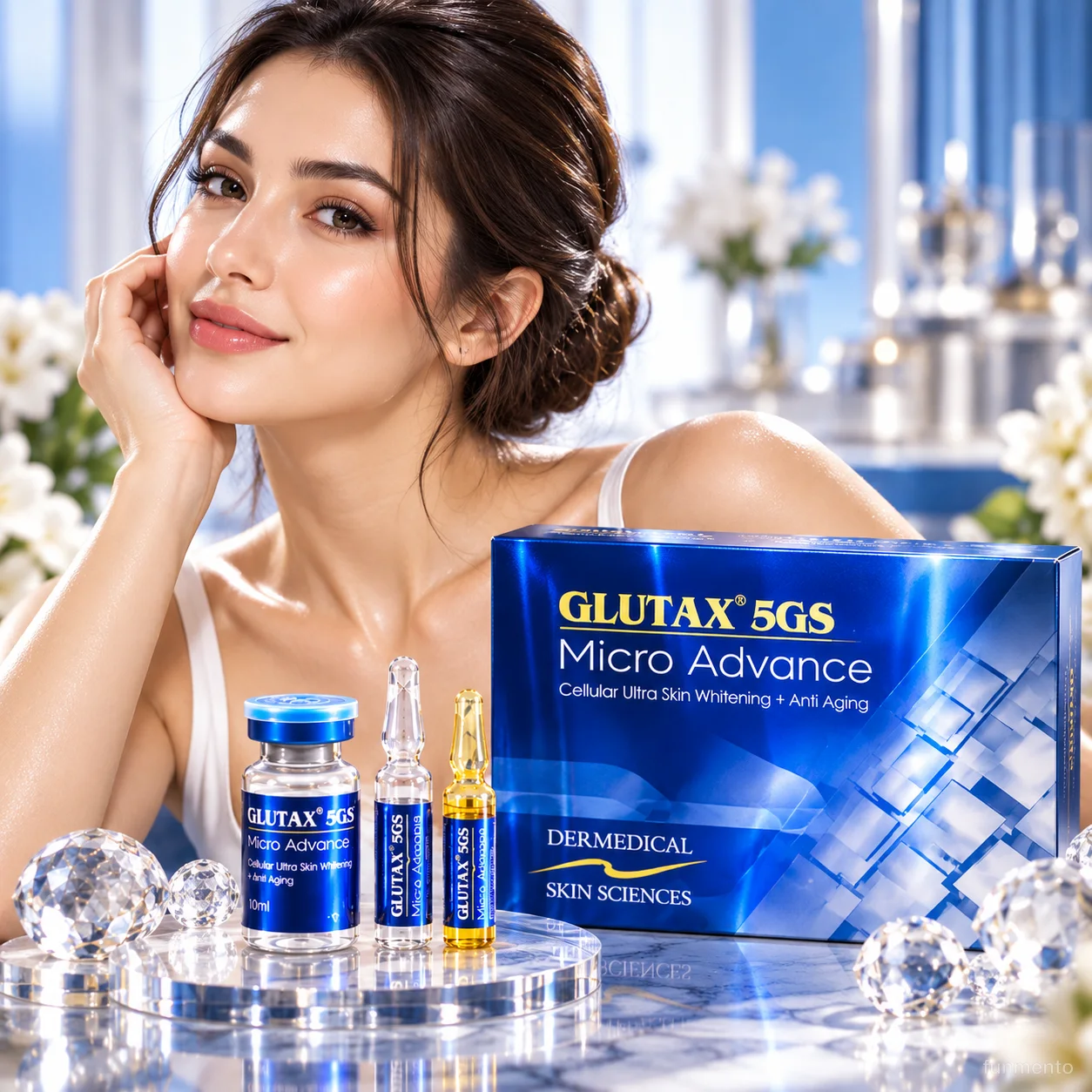
Glutax 5GS Micro Advance
5 units sold across 1 orders — rated 4.4 by verified buyers.
Shop Glutax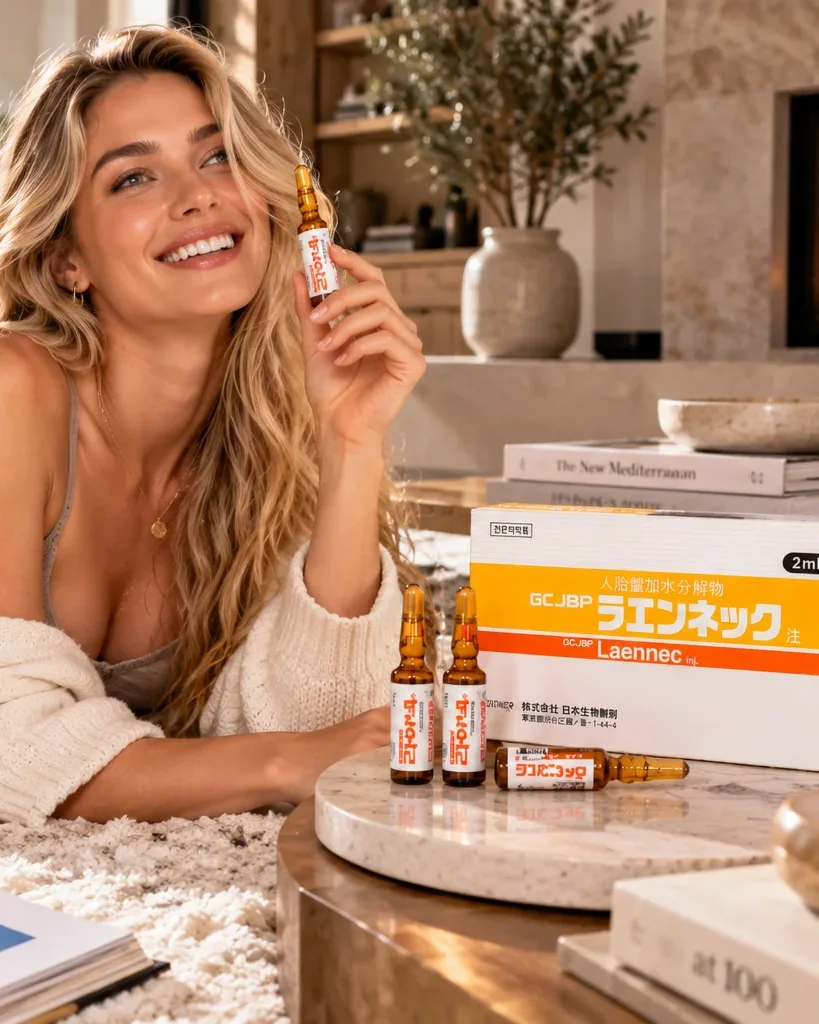 2
Laennec Placenta 10 Ampoules (2ml)
1 units sold across 1 orders — rated 4.1 by verified buyers.
Shop LaennecWhich one is right for you?
Skip the research — pick by what matters most to you. Each is a real customer favourite for that need.
How we ranked these products
This guide isn't pay-to-play. Here's exactly how the ranking is decided — and how it stays honest.
Real customer demand
We rank by verified purchases from real customers worldwide — not sponsored placements or ad spend.
Verified-buyer ratings
Star ratings come only from customers who actually bought and received the product.
Ingredients & form
We assess what's in each product and how it's delivered — injectable, oral or a full set.
Authenticity checked
Every product is verified authentic before it's listed — and you can check your own below.
Reviewed monthly
Rankings are re-checked and refreshed every month so this guide stays current.
Reviewed by The Funmento Team · Updated July 2026. We never accept payment for placement — the ranking reflects real customer behaviour, not who paid the most.
What is Uneven Skin Tone and what causes it?
Uneven skin tone refers to areas of the face or body that appear lighter or darker than the surrounding skin. The variation can show up as faint patches, noticeable spots, or a general lack of uniformity across the complexion. While the condition is purely cosmetic, many people notice it when the skin reflects light differently, making the texture feel less smooth and the overall appearance less balanced.
The skin’s colour is determined by melanin, a pigment produced by cells called melanocytes. When the production or distribution of melanin is disrupted, the visual result is an uneven tone. This disruption does not indicate a health problem, but it can be a source of self‑confidence concerns for many. Understanding the everyday factors that influence melanin helps you choose ingredients and habits that may help support a more consistent, brighter‑looking complexion.
- Sun exposure – UV radiation can stimulate excess melanin in some spots while fading others.
- Hormonal fluctuations – changes during menstrual cycles, pregnancy, or menopause can shift pigment balance.
- Post‑inflammatory changes – after acne, minor injuries, or irritation, the skin may retain darker or lighter marks.
- Genetic predisposition – some people naturally have more variation in melanin distribution.
- Seasonal shifts – longer daylight hours and higher UV indexes in summer often deepen existing patches.
- Skin‑care ingredients – harsh exfoliants or strong bleaching agents can irritate melanocytes, leading to uneven patches.
- Environmental pollutants – exposure to smoke or particulate matter may accelerate pigment irregularities.
- Nutritional factors – deficiencies in vitamins such as B12 or antioxidants can affect melanin synthesis.
Because the triggers are largely lifestyle‑related, many individuals incorporate gentle, antioxidant‑rich products into their daily routine. Ingredients like niacinamide, licorice root extract, and vitamin C are commonly used in beauty routines to provide antioxidant support and may help support a more uniform skin tone over time. Consistent use, paired with sun protection, creates a foundation for healthier‑looking skin without promising long-lasting-looking change.
| Trigger | Typical Skin Response |
|---|---|
| UV exposure | Darkened patches or overall tan |
| Hormonal change | Localized dark spots or lighter areas |
| Post‑inflammatory | Spotty darkening or lightening |
| Harsh ingredients | Irritation leading to uneven patches |
| Seasonal variation | Fluctuating brightness across the year |
Does glutathione help with Uneven Skin Tone?
Uneven skin tone – often described as patches of darker or lighter skin, redness, or a generally mottled appearance – is a common concern in the United States, United Kingdom, India, Saudi Arabia and many other regions. Lifestyle factors such as sun exposure, pollution, hormonal shifts, and post‑inflammatory changes can all influence pigment distribution, prompting many to explore antioxidant‑rich ingredients that may support a more uniform complexion.
Glutathione is a naturally occurring tripeptide that serves as a key antioxidant in cells. By neutralising free radicals, it helps protect melanocytes – the cells that produce melanin – from oxidative stress that can trigger over‑production of pigment. In addition, glutathione participates in the conversion of melanin from its darker (eumelanin) to lighter (pheomelanin) forms, a pathway often referenced in beauty discussions.
Current scientific observations suggest that regular, appropriate use of glutathione may help support a brighter‑looking, more even‑toned skin surface. Studies involving oral or topical delivery have noted modest reductions in the appearance of dark spots, while emphasizing that results vary from person to person and that glutathione is not a treatment for any medical condition.
- Oral supplements – capsules or powders taken with meals.
- Topical products – serums or creams applied after cleansing.
- Intravenous infusion – for administration by qualified healthcare professionals only.
Each delivery route offers distinct practical considerations. Oral supplements provide systemic antioxidant support but rely on digestive absorption. Topical formulations deliver glutathione directly to the skin surface, often combined with other brightening agents such as vitamin C or niacinamide. Intravenous infusion supplies the highest concentration directly into the bloodstream, yet it requires professional oversight and is typically reserved for specific aesthetic protocols.
| Form | Typical Use | Possible Benefit | Key Note |
|---|---|---|---|
| Oral | 1–2 capsules daily | Supports overall antioxidant balance, may aid in brighter‑looking skin | Effect may be gradual; consistency matters |
| Topical | Apply 1–2 times per day after cleansing | Directly targets pigment‑producing cells, may reduce visible dark spots | Look for stable, pH‑adjusted formulas |
| IV Infusion | Administered in a clinic setting | Delivers high concentrations systemically, may support rapid antioxidant replenishment | For administration by qualified healthcare professionals only |
If you decide to incorporate glutathione, follow a simple, skin‑friendly routine that respects both product potency and your skin’s natural barrier.
- 1Cleanse with a gentle, pH‑balanced cleanser to remove impurities.
- 2Apply a glutathione‑rich serum or cream while skin is still slightly damp to enhance absorption.
- 3Follow with a moisturizer containing barrier‑supporting ingredients such as ceramides or hyaluronic acid.
- 4Use broad‑spectrum sunscreen (SPF 30 or higher) each morning to protect against UV‑induced pigment changes.
| Key Ingredient | Glutathione (antioxidant tripeptide) |
| Primary Action | Supports antioxidant defence and may influence melanin conversion |
| Typical Onset | Visible changes often appear after 4–8 weeks of consistent use |
| Safety Note | Results vary; consult a qualified professional if you have underlying health concerns |
The best products for Uneven Skin Tone
Uneven skin tone can make the complexion look dull or patchy, and many people turn to targeted skincare to achieve a brighter-looking finish. While results vary from person to person, certain product formats and ingredients are commonly used in beauty routines to help support a more uniform appearance. Below is a practical guide to choosing the right items for daily use.
Key ingredients to look for
When shopping for uneven‑tone solutions, focus on ingredients that provide antioxidant support, gentle exfoliation, and hydration. These components work together to reduce the visibility of discoloration and promote a smoother surface without harsh chemicals.
- Niacinamide – helps support a more even complexion and reinforces the skin barrier.
- Vitamin C (ascorbic acid) – offers antioxidant protection and may brighten the skin’s tone.
- Alpha‑hydroxy acids (AHA) such as glycolic or lactic acid – provide mild exfoliation to promote turnover of pigmented cells.
- Licorice extract – contains glabridin, which may help support a balanced melanin distribution.
- Tranexamic acid – often used in formulations to assist with a brighter-looking appearance.
Top product categories
Different formats suit different routines and skin types. Serums deliver a high concentration of actives, creams add moisture and barrier support, while masks provide an intensive, short‑term boost. Choosing the right category can enhance the overall experience and help maintain consistency.
| Product type | Typical texture | Key benefit | Best for |
|---|---|---|---|
| Serum | Light, fast‑absorbing | High‑potency actives | Normal to oily skin; layering under moisturizers |
| Cream | Rich, emollient | Hydration + barrier support | Dry or mature skin; day‑night use |
| Mask | Gel or sheet | Intensive brightening session | All skin types; occasional use |
Recommended picks
Here are five products that are frequently chosen by consumers seeking a more even-looking complexion. Each item includes at least one of the key ingredients mentioned above and is formulated to be gentle enough for daily use.
- Radiant Boost Niacinamide Serum – lightweight serum with 5% niacinamide and vitamin C for a brightening effect.
- EvenGlow Vitamin C Cream – moisturizer enriched with stabilized vitamin C and hyaluronic acid for lasting hydration.
- SmoothTurnover AHA Gel Mask – weekly mask containing 10% glycolic acid and licorice extract for mild exfoliation.
- Balanced Tone Tranexamic Toner – alcohol‑free toner that blends tranexamic acid with soothing botanical extracts.
- Luminance Daily Brightening Lotion – multi‑tasking lotion with niacinamide, licorice root, and a light veil of SPF 15.
Remember that consistency is key; using the same products for several weeks often yields the most noticeable improvement. Pairing these items with a balanced diet, adequate hydration, and sun protection can further support a healthier-looking complexion. Results vary from person to person, so feel free to adjust the routine to match your skin’s response.
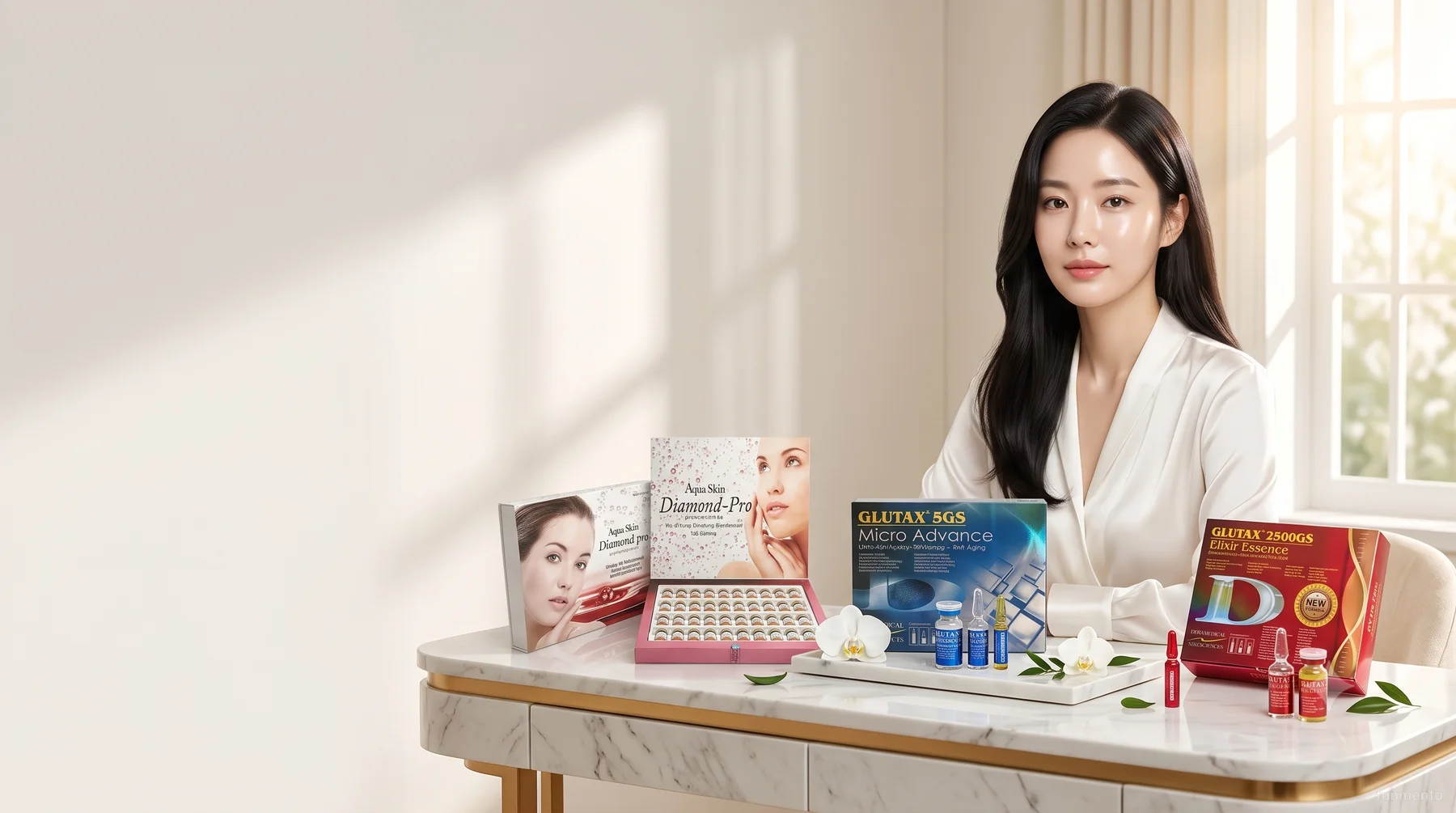
Building a skincare routine for Uneven Skin Tone
Uneven skin tone can appear as patches of darker or lighter areas that make the complexion look less uniform. A thoughtful routine that layers gentle, supportive ingredients can help you achieve a brighter‑looking, more balanced finish while respecting the skin’s natural barrier.
Start with a gentle cleanse
A clean canvas allows subsequent products to work more effectively. Choose a sulfate‑free cleanser that removes surface impurities without stripping natural oils. Cleansing in the morning and evening helps maintain a healthy‑looking glow and prepares the skin for targeted support.
- Cream‑based cleansers for dry or sensitive skin
- Gel cleansers with mild surfactants for oily areas
- Micellar water for a quick, no‑rinse refresh
Add a targeted brightening serum
Serums formulated with ingredients such as niacinamide, vitamin C, or licorice root can help support a more even appearance. Apply a few drops after cleansing and before moisturizing; the lightweight texture ensures rapid absorption and lets actives reach the deeper layers where pigment irregularities may reside.
| Ingredient | Primary Benefit | Typical Use Frequency |
|---|---|---|
| Niacinamide | May help support barrier function and reduce visible discoloration | Morning & night |
| Vitamin C (stable form) | Provides antioxidant support and promotes brighter‑looking skin | Morning |
| Licorice extract | Helps support a more uniform tone by gently addressing dark spots | Night |
Moisturize to lock in support
A balanced moisturizer seals hydration and creates a protective film that lets the serum’s actives work longer. Look for formulas that include ceramides, hyaluronic acid, or light oils; these components help maintain a supple, healthy‑looking complexion without feeling heavy.
Shield with sunscreen daily
UV exposure can deepen existing tone differences, so a broad‑spectrum sunscreen with at least SPF 30 is essential. Apply it as the final step of your morning routine, and reapply after swimming or excessive sweating to keep the skin protected and support a more consistent appearance.
- 1Cleanse with a gentle formula.
- 2Pat skin dry and apply brightening serum.
- 3Follow with a hydrating moisturizer.
- 4Finish with broad‑spectrum sunscreen.
Evening finish with gentle exfoliation (2–3 times/week)
A mild chemical exfoliant—such as a 5 % lactic acid or PHA lotion—can help remove dead cells that contribute to a patchy look. Use it after cleansing, before serum, and limit application to two or three evenings per week to avoid over‑processing the barrier.
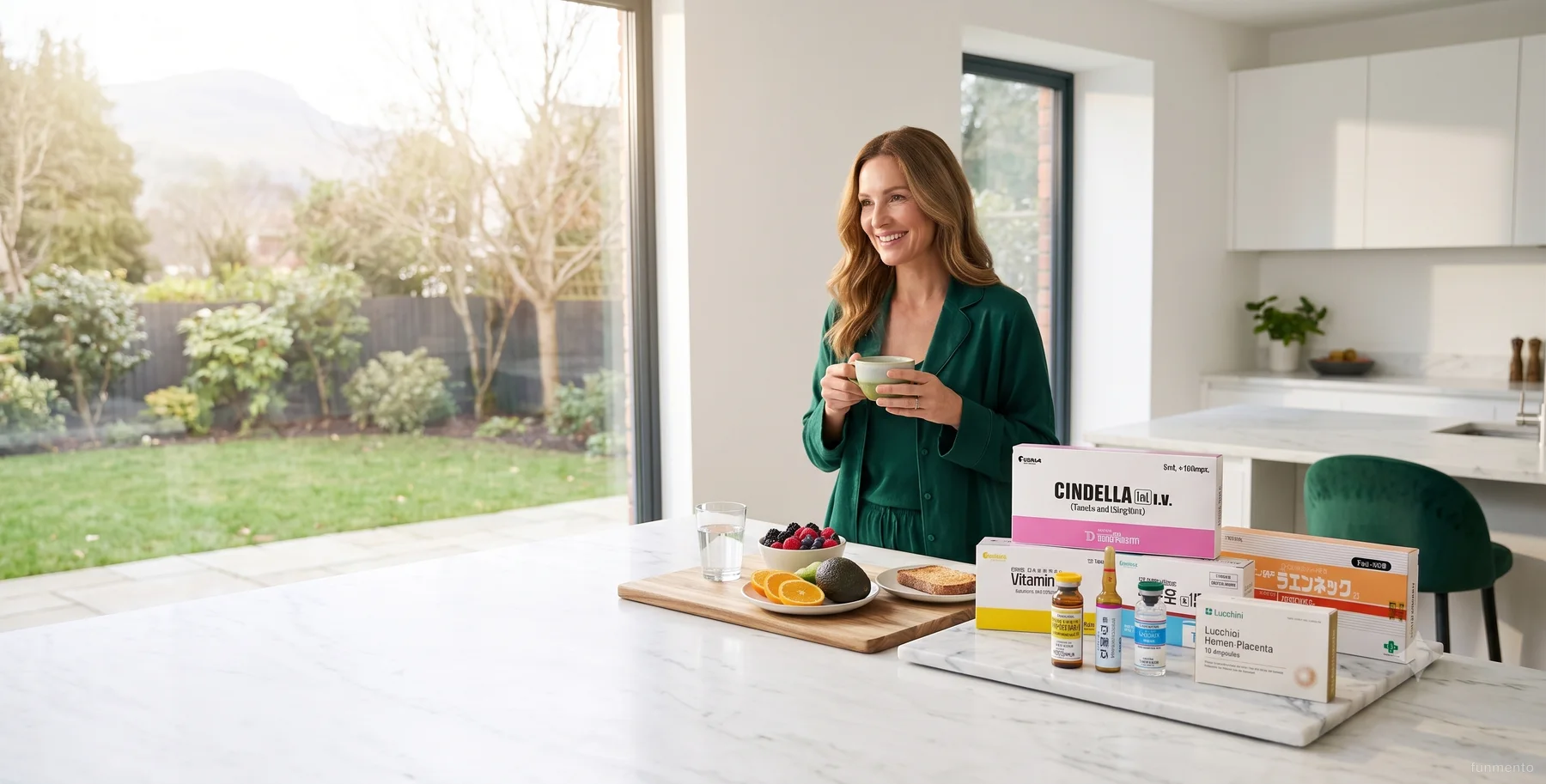
Uneven Skin Tone: what results to realistically expect
Uneven skin tone often appears as patchy discoloration, lingering dark spots, or a lack of overall radiance. While no single product can erase these variations overnight, a consistent routine that includes gentle exfoliation, antioxidant‑rich serums, and diligent sun protection may help support a more uniform, brighter‑looking complexion over time. Expect gradual shifts rather than instant uniformity, and remember that individual results will vary.
Most people notice the first visible improvement after 4‑6 weeks of daily use, especially when the routine is paired with a broad‑spectrum sunscreen. Continued use for 12‑16 weeks often yields a steadier, healthier‑looking tone as the skin’s natural renewal cycle catches up with the active ingredients. Patience is essential; abrupt changes in routine or skipping protection can slow progress and re‑introduce new discoloration.
- Skin type – oily, dry, or combination skin responds differently to exfoliants and serums.
- Sun exposure – unprotected UV rays can deepen existing spots and create new ones.
- Lifestyle – diet, hydration, and sleep influence the skin’s natural repair processes.
- Product concentration – higher percentages of brightening agents may offer faster results but require careful tolerance monitoring.
When choosing products, consider the primary action they provide. Brightening serums rich in niacinamide or vitamin C are commonly used in beauty routines to support a more even appearance, while gentle chemical exfoliants like lactic or mandelic acid help promote turnover without harsh irritation. Pairing these with a sunscreen that offers antioxidant support maximizes the protective benefit.
| Product type | Typical visible improvement timeframe | Key benefit |
|---|---|---|
| Vitamin C‑rich serum | 4‑6 weeks | Supports brighter‑looking skin and antioxidant defense |
| Gentle AHA exfoliant | 6‑8 weeks | Helps smooth texture and fade discoloration |
| Niacinamide cream | 8‑12 weeks | May help support uniform tone and barrier health |
| Broad‑spectrum sunscreen | Immediate | helps protect against new spots and protects existing gains |
Realistic expectations mean embracing a gradual, steady refinement rather than a dramatic overnight shift. By staying consistent, protecting against UV, and selecting ingredients that support skin renewal, most users experience a healthier, more even‑looking complexion that feels as good as it looks.

Daily habits that help manage Uneven Skin Tone
A consistent daily rhythm gives the skin a chance to balance pigment production and recover from environmental stress. Starting the day with a gentle cleanse that removes excess oil and debris helps maintain a clear canvas for any brightening serums you might apply later.
After cleansing, a lightweight antioxidant‑rich moisturizer can provide a protective shield against UV‑induced discoloration. Look for ingredients such as vitamin C, niacinamide, or green tea extract, which are commonly used in beauty routines to support a more even‑looking complexion.
If sun exposure is part of your routine, a broad‑spectrum sunscreen with at least SPF 30 is essential. Reapplying every two hours while outdoors helps support the skin’s natural defense mechanisms and reduces the chance of new dark spots forming.
Hydration isn’t just about drinking water; the skin’s barrier also benefits from internal moisture. Aim for 1.5–2 L of fluid daily, and consider a humidifier in dry climates to keep the outer layer supple.
Evening care focuses on repair and calm. A double‑cleanse—first with an oil‑based cleanser, then with a water‑based formula—removes sunscreen and makeup without stripping the skin, setting the stage for nighttime actives.
Nighttime serums that contain ingredients like licorice root, mulberry extract, or mild exfoliants may help support a brighter‑looking tone. Apply them after cleansing and before a nourishing night cream to lock in moisture.
Sleep quality directly influences pigment balance. Aim for 7–9 hours of uninterrupted rest, and keep the bedroom cool and dark to encourage the skin’s natural renewal processes.
- Cleanse twice daily with pH‑balanced formulas
- Use antioxidant‑rich moisturizers in the morning
- Apply broad‑spectrum sunscreen every morning
- Perform a double‑cleanse before bedtime
- Incorporate gentle brightening serums at night
- Prioritize 7–9 hours of quality sleep
| Habit | Supporting Benefit |
|---|---|
| Morning cleanse | Removes surface debris, prepares skin for actives |
| Antioxidant moisturizer | Provides free‑radical defense, supports even tone |
| Sunscreen use | Shields against UV‑induced discoloration |
| Evening double‑cleanse | Ensures removal of sunscreen, reduces pigment stress |
Consistent habits create a supportive environment for a healthier‑looking complexion; results vary from person to person.
How to choose the right products for Uneven Skin Tone
Choosing the right product for uneven skin tone starts with understanding your skin’s current state and the goals you want to achieve. Whether you’re looking for a brighter‑looking complexion, smoother texture, or a more balanced tone, the ingredients, formulation type, and delivery method all play a part in delivering consistent, healthy‑looking results.
Assess your skin’s needs before you shop
Take a moment to note any specific concerns such as post‑acne marks, sun‑induced discoloration, or overall dullness. Consider how your skin reacts to active ingredients—some people prefer gentle, antioxidant‑rich formulas, while others tolerate stronger brightening agents well. This self‑audit helps you narrow down the product categories that are most likely to support your desired outcome.
- Vitamin C derivatives – known for antioxidant support and brightening potential.
- Niacinamide – helps support an even tone and barrier health.
- Alpha‑arbutin – a gentle brightening agent commonly used in beauty routines.
- Licorice extract – offers antioxidant support and may help reduce the appearance of dark spots.
- Exfoliating acids (AHA/BHA) – promote smoother texture and may aid in a more uniform complexion.
| Product Type | Typical Formulation | Key Benefit for Tone |
|---|---|---|
| Serum | Lightweight, fast‑absorbing | Delivers a high concentration of brightening actives. |
| Moisturizer | Creamy, barrier‑supporting | Combines hydration with tone‑evening ingredients. |
| Mask | Leave‑on or rinse‑off | Provides an intensive boost of antioxidants and exfoliants. |
| Spot Treatment | Targeted, concentrated | Focuses on specific discoloration areas. |
Packaging can also signal product stability. Look for opaque, air‑tight containers for vitamin C and other light‑sensitive actives, as they help preserve potency. Additionally, products that list “stable” or “sustained‑release” formulations often maintain their effectiveness longer, giving you more consistent support over time.
- 1Identify the primary concern (e.g., dark spots, overall dullness) and match it with an ingredient list that includes the relevant actives.
- 2Check the product’s texture—serums for quick absorption, moisturizers for all‑day hydration, masks for periodic intensive care.
- 3Read the label for delivery claims such as “stable vitamin C” or “encapsulated niacinamide,” which suggest longer‑lasting support.
- 4Consider your routine timing; a morning serum with antioxidant support pairs well with sunscreen, while an evening mask can provide a deeper exfoliating boost.
- 5Verify that the product is intended for “administration by qualified healthcare professionals only” only if it’s an injectable or prescription‑type item—most over‑the‑counter options are safe for personal use.
| Ingredient Focus | Vitamin C, Niacinamide, Alpha‑Arbutin |
| Preferred Texture | Serum for quick absorption; Moisturizer for daily wear |
| Packaging Cue | Opaque, air‑tight containers for light‑sensitive actives |
| Routine Fit | Morning brightening + sunscreen; Evening exfoliation |
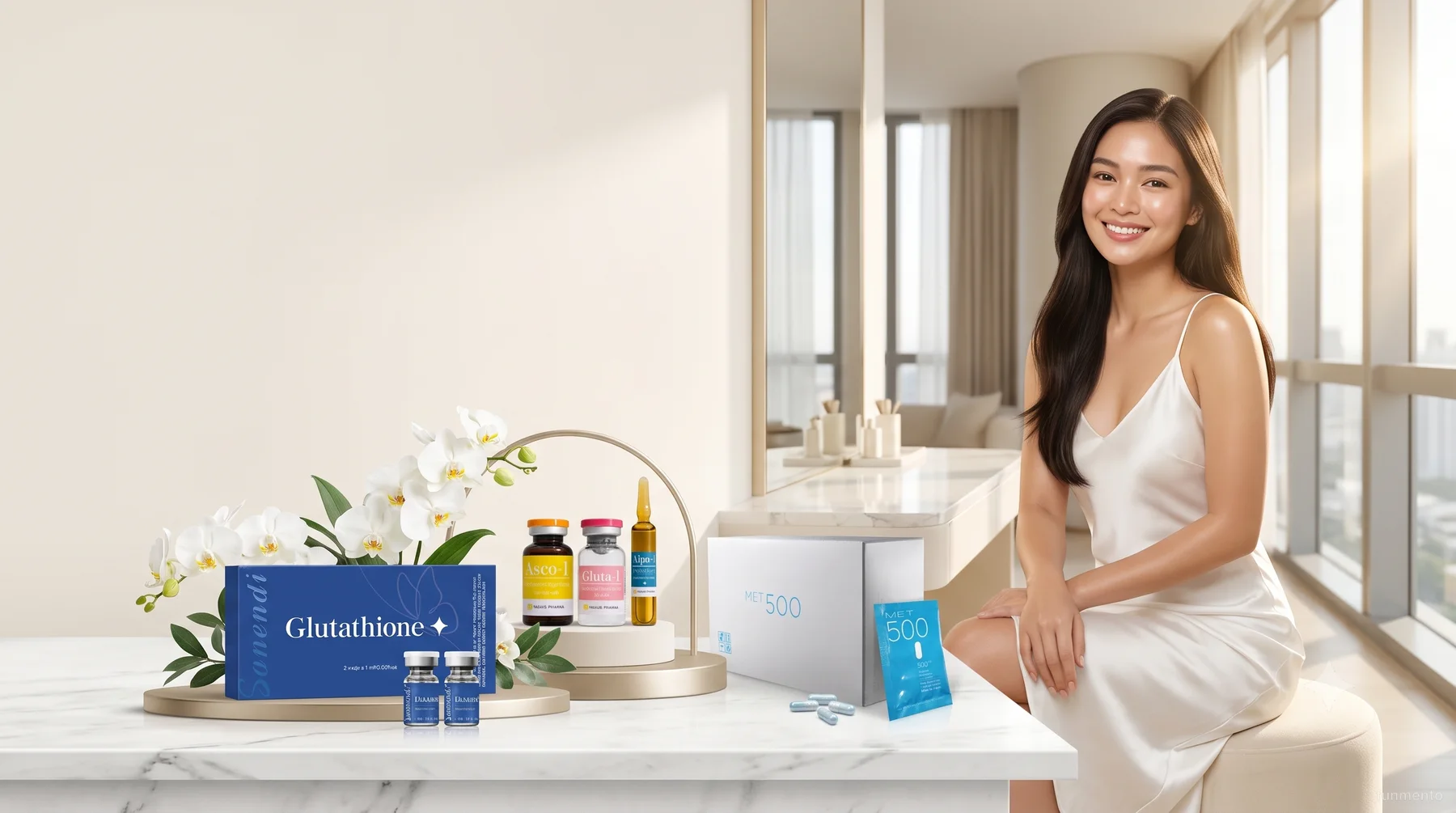
When to see a professional about Uneven Skin Tone
Uneven skin tone—whether it appears as patchy dark spots, a dull overall complexion, or a mix of both—is a frequent concern across the United States, the Philippines, the United Kingdom, South Africa, France, India, Saudi Arabia, the UAE, Australia, and Sri Lanka. Many people start with over‑the‑counter brightening serums, gentle exfoliation, or sunscreen, and often see modest improvement within a few weeks. However, some patterns persist despite consistent home care.
If you have been using a routine that includes antioxidant‑rich moisturizers, mild acids, and broad‑spectrum SPF for at least eight weeks and still notice stubborn discoloration, it may be time to consider a professional assessment. Consistency matters—results vary from person to person, and the skin’s response can be influenced by climate, genetics, and lifestyle.
- The uneven areas have been present for more than three months despite regular use of brightening products.
- You notice irritation, redness, or a burning sensation after applying typical over‑the‑counter formulas.
- The discoloration spreads rapidly or appears on new areas of the face or neck.
- You have a history of sensitive skin, eczema, or rosacea that makes self‑treatment risky.
- You are pregnant, nursing, or using prescription medication that could affect skin response.
- You plan to undergo a major event (wedding, photo shoot, etc.) and want a personalized plan.
- You live in a region with high UV exposure and want a tailored sunscreen strategy.
A qualified dermatologist or licensed aesthetic practitioner can evaluate the underlying causes—such as post‑inflammatory changes, melanin‑related hyperpigmentation, or sun‑induced darkening—and recommend options that may include professional‑grade peels, laser‑based treatments, or prescription‑strength topical agents. These interventions are administered by trained professionals and are selected based on your skin type, tone, and cultural considerations.
Remember, seeking professional advice does not mean your skin is “broken.” It simply provides access to tools and expertise that may support a brighter‑looking complexion when everyday products have reached their limit. Your journey to healthy‑looking skin is personal—choose the path that feels right for you.
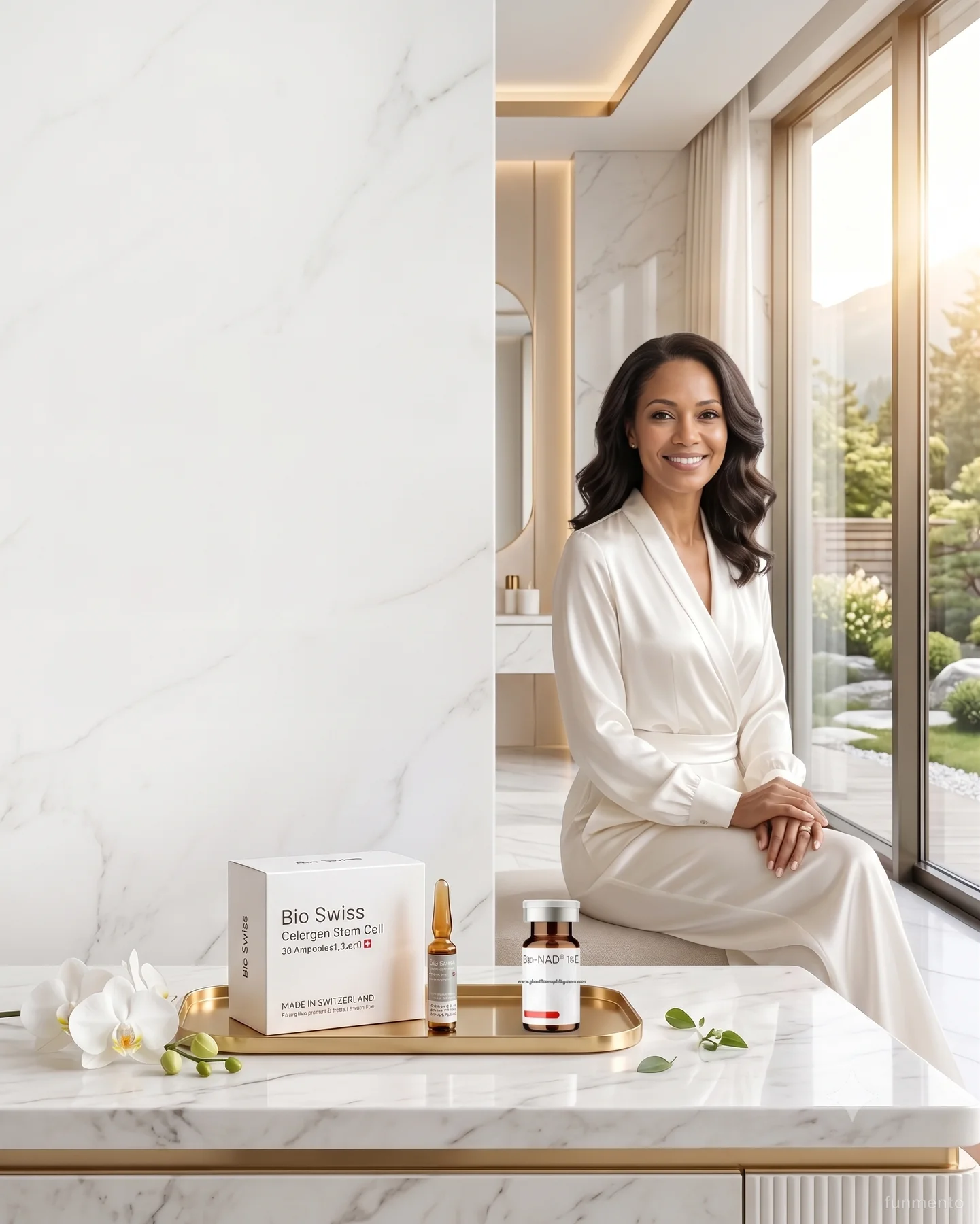
How to make sure your product is real
Counterfeits exist in this category. Here's how to protect yourself, and how we guarantee what you buy.
How to spot a genuine product
- Check the safety seals and packaging are intact and factory-sealed — never accept a broken or resealed box.
- Look for a batch or serial code on the box, and make sure it matches the code on the vial or sachet.
- Buy only from authorised sellers — not random social-media resellers or unverified marketplaces.
- Be wary of prices far below the market: a huge discount often means a fake or a refill.
Our authenticity guarantee
100% authentic
Every item is genuine, sourced through authorised channels — never imitations or refills.
Sealed & verified
Products arrive factory-sealed, with intact safety seals and batch codes you can check.
Quality reviewed
Each listing is checked against our standards before it goes on sale.
Genuine or money back
If a product isn't authentic, we'll make it right — full refund, no hassle.
Frequently asked questions (8)
Can glutathione help with Uneven Skin Tone?
How long does it take to see improvement in Uneven Skin Tone?
What is the best product for Uneven Skin Tone?
Does Uneven Skin Tone go away on its own?
What daily habits help with Uneven Skin Tone?
Should I see a dermatologist for Uneven Skin Tone?
Does sunscreen help with Uneven Skin Tone?
Which glutathione form is best for Uneven Skin Tone?
Kept fresh, not forgotten
This is an evergreen guide. Instead of posting a new dated article every month, we keep this page and refresh it as the market changes — so the link you bookmark always has the current answer.
What we re-check every update
- Rankings — re-scored against the latest real customer demand.
- Prices — refreshed so every figure matches checkout.
- Ratings — pulled live from verified buyers.
- Products — new arrivals added, discontinued items removed.
- Safety & regulatory info — reviewed against current advisories.
Keep exploring
Jump straight to a product, browse a category, or read a related guide.
Related guides
Kojic Acid Benefits | Funmento Skincare GuideOral vs Injectable Glutathione ComparisonTatiomax Supplement Review – Benefits & DetailsWhitening Soap BenefitsLemon Bottle – Refreshing Citrus DrinkVitamin C Benefits – Essential Nutrient GuideHow to Brighten Dull Skin – FunmentoZaguta Benefits & Uses – FunmentoThis guide is general information, not medical advice. Results vary from person to person. Follow each product's label, and have injectable products administered by a licensed professional.