Ingredient
Vitamin C Benefits – Essential Nutrient Guide
The natural power of vitamin C for health and radiant skin.
Short answer: Vitamin C or Ascorbic Acid 500mg / 2mL is our top overall pick — chosen from real, verified customer purchases, not paid placements. Vitamin C is an essential water‑soluble nutrient that supports antioxidant activity, collagen formation, and immune system function. It may help support skin health, iron absorption, and overall vitality. Sources include citrus fruits, berries, and fortified supplements. Regular intake can contribute to healthy‑looking skin and brighter‑looking complexion.
By The Funmento Team, Health & Beauty Editors · Updated July 2026 · 14 min read

Top picks at a glance
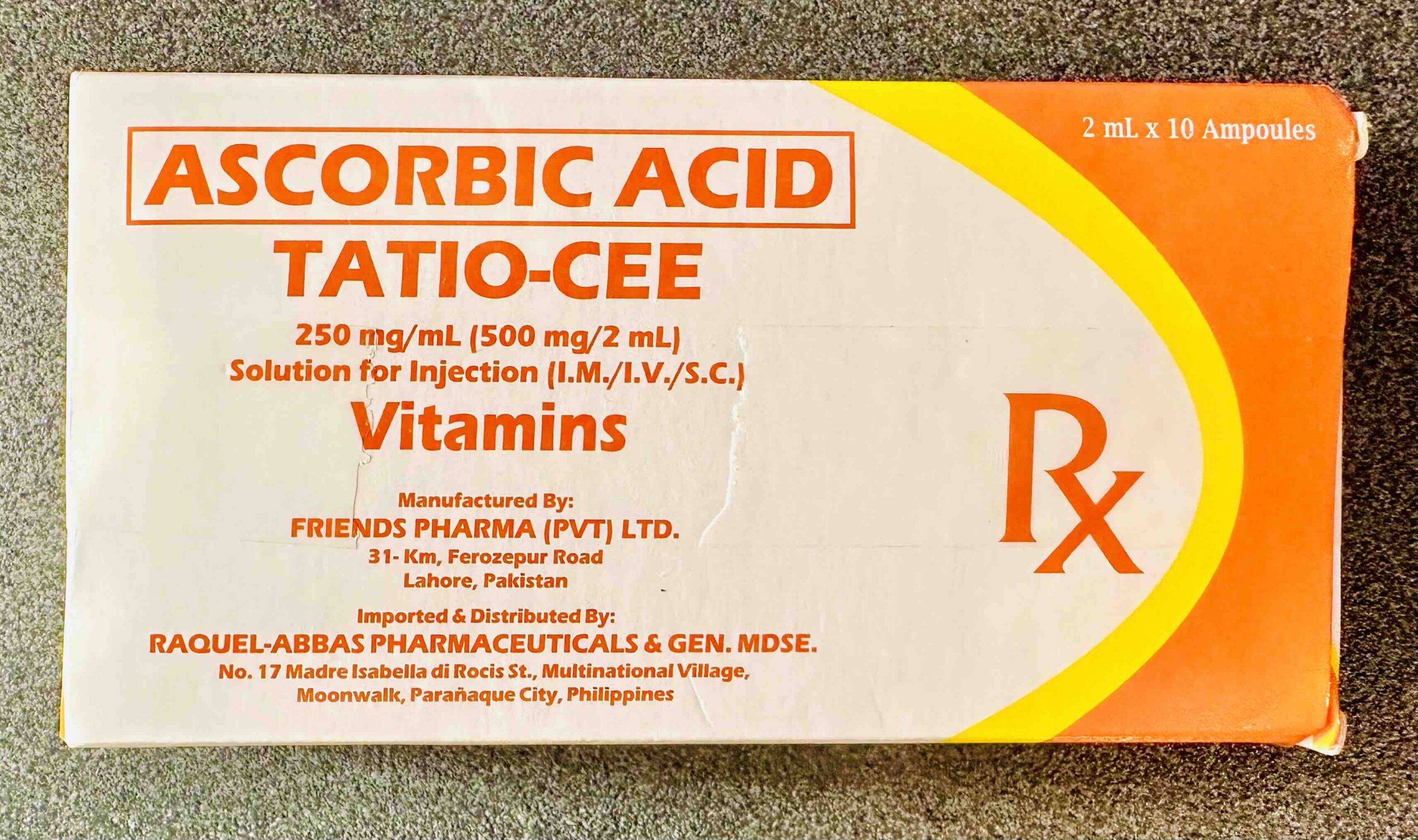
Ranked by real sales- 1Best overallVitamin C or Ascorbic Acid 500mg / 2mL$9.09★ 4.4 · Bestseller
- 2Most popularSnow White Trio Korean Glutathione IV Set$163.64★ 4.3 · Very popular
Ranked by real, verified purchases — not paid placements.
How the top picks compare
Every recommendation side by side — ranked by real customer demand, with price and who each one suits best.
| # | Product | Price | Rating | Popularity | Best for | Shop |
|---|---|---|---|---|---|---|
| 1 | Vitamin C or Ascorbic Acid 500mg / 2mLBest overall | $9.09 | ★ 4.4 | Bestseller | — | Shop |
| 2 | Snow White Trio Korean Glutathione IV SetMost popular | $163.64 | ★ 4.3 | Very popular | — | Shop |
Popularity reflects verified customer demand on Funmento. Prices shown in USD; final price and availability confirmed at checkout.
Why these are our top picks
Each pick reviewed — what it is, who it suits — ranked by real customer demand.
 1
1Vitamin C or Ascorbic Acid 500mg / 2mL
9 units sold across 4 orders — rated 4.4 by verified buyers.
Shop Vitamin 2
2Snow White Trio Korean Glutathione IV Set
A customer favourite — rated 4.3 by verified buyers.
Shop Snow WhiteWhich one is right for you?
Skip the research — pick by what matters most to you. Each is a real customer favourite for that need.
How we ranked these products
This guide isn't pay-to-play. Here's exactly how the ranking is decided — and how it stays honest.
Real customer demand
We rank by verified purchases from real customers worldwide — not sponsored placements or ad spend.
Verified-buyer ratings
Star ratings come only from customers who actually bought and received the product.
Ingredients & form
We assess what's in each product and how it's delivered — injectable, oral or a full set.
Authenticity checked
Every product is verified authentic before it's listed — and you can check your own below.
Reviewed monthly
Rankings are re-checked and refreshed every month so this guide stays current.
Reviewed by The Funmento Team · Updated July 2026. We never accept payment for placement — the ranking reflects real customer behaviour, not who paid the most.
Key takeaways
- Vitamin C acts as a powerful antioxidant that protects cells from oxidative stress.
- It is required for the synthesis of collagen, supporting skin elasticity and joint health.
- The nutrient enhances iron absorption from plant‑based foods.
- Common dietary sources are citrus fruits, strawberries, kiwi, and bell peppers.
- Supplement forms include powders, capsules, tablets, and topical serums.
- Daily intake recommendations vary by age, gender, and lifestyle factors.
- Results vary from person to person; consistent intake supports overall vitality.
What is Vitamin C and how does it work?
Vitamin C, also known as ascorbic acid, is a water‑soluble nutrient that the body cannot produce on its own. Because it dissolves in water, any amount that isn’t used is expelled in the urine, which is why regular intake through food or supplements is important for maintaining steady levels.
One of the most talked‑about functions of vitamin C is its antioxidant support. It helps neutralise free radicals that can arise from everyday activities such as cooking, commuting, or exposure to sunlight. By donating electrons, vitamin C helps protect cells from oxidative stress, contributing to a brighter‑looking complexion.
Vitamin C also plays a key role in collagen synthesis. Collagen is the protein that gives skin, blood vessels, tendons and ligaments their strength and elasticity. Adequate vitamin C may help support the body’s natural collagen‑building process, which is essential for healthy‑looking skin and joint comfort.
Another practical benefit is its influence on iron absorption. When consumed with plant‑based iron sources, vitamin C can enhance the amount of iron the body takes up, supporting overall vitality without the need for additional iron‑specific supplements.
| Food (Common in Region) | Approx. Vitamin C (mg per 100 g) |
|---|---|
| Oranges (USA) | 53 |
| Calamansi (Philippines) | 30 |
| Blackcurrants (United Kingdom) | 181 |
| Apricots (South Africa) | 10 |
| Kiwi (France) | 93 |
| Mango (India) | 36 |
| Dates (Saudi Arabia) | 0.4 |
| Guava (UAE) | 228 |
| Papaya (Australia) | 62 |
| Coconut water (Sri Lanka) | 3 |
Because it is water‑soluble, the body regulates vitamin C levels tightly. Excess amounts are flushed out, which means that taking more than needed does not accumulate in tissues. This natural turnover supports a balanced antioxidant environment without the risk of buildup.
The daily amount that many nutrition experts reference—around 75 mg for women and 90 mg for men—may help support typical antioxidant and collagen‑related needs. Individual requirements can vary based on lifestyle, diet, and personal health goals.
- Consuming vitamin C with meals improves absorption.
- Smoking and high stress levels can reduce vitamin C status.
- Cooking methods that use minimal water preserve more vitamin C.
Overall, vitamin C is a versatile nutrient that supports antioxidant activity, collagen formation, and iron utilisation. Including a variety of vitamin‑C‑rich foods in daily meals can help maintain a healthy‑looking glow and everyday vitality.

The key benefits of Vitamin C for skin and overall health
Vitamin C is a water‑soluble nutrient that appears in a wide range of fresh fruits and vegetables enjoyed across the United States, Philippines, United Kingdom, South Africa, France, India, Saudi Arabia, UAE, Australia, and Sri Lanka. Because the body does not store large amounts, regular intake through diet or supplements can provide antioxidant support that helps protect cells from everyday oxidative stress. In skin‑care routines, vitamin C is commonly used for its brightening potential and its role in supporting the natural appearance of collagen. Whether you prefer fresh produce at local markets in Manila or a fortified beverage on a Sydney morning, the same nutrient can be part of everyday nutrition.
Topical or oral vitamin C may help support a healthier‑looking complexion in several ways. First, it contributes to the formation of collagen, a structural protein that gives skin its firmness. Second, its antioxidant properties can defend against free‑radical damage caused by UV exposure and pollution, which are concerns in both tropical and temperate climates. Third, regular use can promote a brighter‑looking tone by reducing the appearance of uneven pigmentation. Finally, vitamin C helps maintain moisture balance, which contributes to a supple feel.
- Supports collagen formation for firmer‑looking skin
- Provides antioxidant support against daily environmental stressors
- Contributes to a brighter‑looking tone and more even coloration
- Helps maintain moisture balance for a supple feel
Beyond the skin, vitamin C plays a role in overall vitality. It assists the body in absorbing non‑heme iron from plant‑based meals, making it a useful companion for vegetarian and vegan diets common in India and Sri Lanka. The nutrient also participates in the synthesis of neurotransmitters that influence mood and energy, and it offers antioxidant support that may help protect cells throughout the body during routine activities. Its role in collagen synthesis also supports connective tissue health, which can be beneficial for active lifestyles ranging from hiking in the Scottish Highlands to beach sports in the UAE.
Common food sources provide a natural way to meet daily needs. Below are typical vitamin C amounts found in fresh produce.
| Food | Vitamin C (mg) per 100 g |
|---|---|
| Orange (raw) | 53 |
| Kiwi (raw) | 93 |
| Red bell pepper (raw) | 80 |
| Guava (raw) | 228 |
Vitamin C can be taken orally as a tablet, capsule, or powder, and it is also available in serums, creams, and masks for topical application. For best antioxidant stability, choose products packaged in opaque containers and store them away from direct sunlight. When using a serum, apply a few drops to clean skin before moisturizer, allowing it to absorb fully. If you prefer a serum, look for formulations that list L‑ascorbic acid or magnesium ascorbyl phosphate, which are stable forms recognized for their effectiveness. Consistency matters; results vary from person to person and tend to become more noticeable with regular use over several weeks.
Vitamin C is generally well‑tolerated, and most people experience no adverse effects when they follow the recommended serving size on the label. Very high intakes may lead to mild gastrointestinal discomfort, so it is wise to start with a modest amount and increase gradually if needed. As always, anyone who is pregnant, nursing, or taking medication should consult a qualified healthcare professional before adding a new supplement to their routine.

Vitamin C: oral vs injectable forms compared
Vitamin C, also known as ascorbic acid, is a staple in many daily routines across the United States, United Kingdom, India, and beyond. Whether it appears in a citrus‑packed smoothie, a chewable tablet, or a clinic‑based infusion, the goal is often the same: to provide antioxidant support and promote a brighter‑looking complexion. Understanding how oral products differ from injectable options helps consumers select the format that aligns with their lifestyle, skin‑care goals, and personal comfort.
- Oral forms include tablets, capsules, powders, and effervescent drinks.
- Injectable forms are delivered intravenously by qualified healthcare professionals only.
- Absorption rates can vary: oral intake passes through the digestive tract, while injectables enter the bloodstream directly.
- Taste and convenience differ: tablets are portable, whereas infusions require a clinic visit.
- Potential cost considerations: over‑the‑counter oral products are generally less expensive than professional‑administered injections.
- Safety profile: both routes are well‑tolerated when used as directed, but individual sensitivities may differ.
| Aspect | Oral | Injectable |
|---|---|---|
| Typical dosage range | 0.5–2 g per day (split doses) | 1–3 g per infusion (single session) |
| Absorption speed | Gradual, regulated by the digestive system | Rapid, delivered directly to bloodstream |
| Administration | Self‑administered, no professional supervision required | For administration by qualified healthcare professionals only |
| Common usage scenarios | Daily supplements, beauty routines, wellness drinks | Pre‑event boost, short‑term antioxidant support, clinic‑based programs |
| Regulatory note | Over‑the‑counter products, results vary from person to person | Professional service, results vary from person to person |
Both delivery methods are widely regarded as safe when used according to label instructions or professional guidance. Individual sensitivities, such as gastrointestinal comfort or needle aversion, can influence the preferred choice.
Because oral Vitamin C must travel through the stomach and small intestine, only a portion reaches the bloodstream at any given moment. The body regulates absorption, and excess is excreted in urine, which is why many people split their dose throughout the day. In contrast, an intravenous infusion bypasses the digestive system, delivering the nutrient directly to circulating blood. This route can achieve higher plasma concentrations in a single session, which some users appreciate for a quick boost of antioxidant support before a photo‑shoot or travel.
Both oral and injectable Vitamin C have a place in modern self‑care arsenals. Oral options excel in convenience and long‑term consistency, while injectables offer a concentrated session that may support a brighter‑looking complexion when time is limited. By weighing factors such as lifestyle, budget, and personal comfort, you can choose the format that best supports your individual goals and enjoy the antioxidant benefits that Vitamin C provides.

How much Vitamin C should you take, and how often?
Vitamin C is a water‑soluble nutrient that the body does not store in large amounts, so a regular intake is recommended for antioxidant support and for maintaining a bright‑looking complexion. Guidelines differ slightly by country because each regulatory body sets its own Recommended Dietary Allowance (RDA) or Adequate Intake (AI) based on local dietary patterns and scientific reviews.
- United States (USDA): 90 mg for adult men, 75 mg for adult women.
- United Kingdom (NHS): 40 mg for adults of any gender.
- Australia (NHMRC): 45 mg for adults, with a higher AI for smokers (additional 35 mg).
- Canada (Health Canada): 90 mg for men, 75 mg for women – same as the US.
- European Union (EFSA): 80 mg for men, 70 mg for women – similar to US values.
- India (ICMR): 40 mg for adults, 50 mg for pregnant women.
- Philippines (Food and Nutrition Research Institute): 60 mg for adults.
- South Africa (SARL): 45 mg for adults.
- France (ANSES): 110 mg for men, 95 mg for women.
- Saudi Arabia & UAE (Gulf Health Council): 90 mg for men, 75 mg for women.
| Country/Region | RDA / AI (mg/day) | Notes |
|---|---|---|
| United States | 90 / 75 | Higher intake for smokers (35 mg) |
| United Kingdom | 40 | Same value for all adults |
| Australia | 45 | Add 35 mg if you smoke |
| Canada | 90 / 75 | Matches US recommendations |
| European Union | 80 / 70 | Similar to US values |
| India | 40 | Increased to 50 mg during pregnancy |
| Philippines | 60 | Based on local diet surveys |
| South Africa | 45 | Standard adult recommendation |
| France | 110 / 95 | Higher baseline for both genders |
| Saudi Arabia & UAE | 90 / 75 | Aligned with US guidance |
Frequency matters more than timing. Most health agencies suggest a daily intake, but the nutrient can be consumed in multiple small portions. For people who prefer a single dose, a dose of 100 mg–200 mg taken with a meal is a common practice that aligns with the recommended ranges and may help support steady blood levels.
- Lifestyle factors – smoking, intense physical activity, or exposure to sunlight may increase needs.
- Age – older adults often benefit from the higher end of the range for skin health.
- Dietary patterns – diets low in fresh fruits and vegetables may require supplementation.
- Medication interactions – some drugs can affect Vitamin C status, so consult a qualified healthcare professional.
Remember that results vary from person to person. If you are unsure about the right amount for your routine, consider a brief conversation with a qualified healthcare professional who can tailor advice to your individual lifestyle and dietary habits.

How long does Vitamin C take to show results?
When you start adding Vitamin C—whether through a daily supplement or a topical serum—you’ll often wonder how soon you’ll notice a change. Because Vitamin C works at the cellular level, visible and feeling‑based results can appear at different times for different people. Results vary from person to person, and the timeline is shaped by the form you use, how consistently you apply it, and individual lifestyle factors.
Typical timeframes for common Vitamin C benefits
Oral Vitamin C supplements are primarily taken for antioxidant support and to help maintain a healthy‑looking complexion from the inside out. Most users report a subtle improvement in skin tone and overall vitality after about two to four weeks of regular use.
Topical Vitamin C serums—often featured in beauty routines across the United States, United Kingdom, Australia, and other markets—are designed to deliver antioxidant support directly to the skin surface. Because the active ingredient is applied straight to the target area, many people notice a brighter‑looking complexion within one to three weeks, with more pronounced changes emerging after a month of consistent use.
- Form of Vitamin C (tablet, powder, serum, cream)
- Frequency of use (daily vs. occasional)
- Concentration of the product (e.g., 10 % vs. 20 % serum)
- Individual skin type and baseline antioxidant levels
- Lifestyle factors such as diet, sun exposure, and stress
| Benefit | Oral (days) | Topical (days) |
|---|---|---|
| General antioxidant support | 14–28 | N/A |
| Brighter‑looking skin tone | 21–35 | 7–21 |
| Healthy‑looking collagen appearance | 28–56 | 14–30 |
If you’re new to Vitamin C, start with a modest concentration and give your body or skin at least two weeks to adapt before evaluating the results. Should you notice any irritation, especially with topical formulas, reduce the frequency or switch to a lower‑strength product. Over time, many users find that the combination of oral and topical Vitamin C creates a synergistic effect, supporting both internal antioxidant balance and a brighter‑looking exterior.

Vitamin C side effects and safety: what to know
Vitamin C is a popular nutrient in many beauty and wellness routines across the United States, Philippines, United Kingdom, South Africa, France, India, Saudi Arabia, UAE, Australia, and Sri Lanka. While most people tolerate it well, understanding the potential side effects and safety considerations helps you make an informed choice that fits your lifestyle.
- Mild stomach discomfort or nausea, especially when taken on an empty stomach
- Loose stools or a temporary change in bowel habit
- A metallic taste in the mouth that can linger for a short time
- Occasional skin tingling when using topical forms
These reactions are usually linked to taking a dose higher than the body needs at one time. Splitting the daily amount into two or three smaller servings and pairing it with a meal often reduces the likelihood of gastrointestinal upset.
| Region | Suggested Upper Intake (mg per day) |
|---|---|
| United States (NIH) | 2,000 |
| European Union (EFSA) | 2,000 |
| Australia & New Zealand (NHMRC) | 2,000 |
| India (FSSAI) | 1,000 |
| South Africa (SAHPRA) | 2,000 |
Special groups should pay extra attention. Children under 12 generally need lower amounts, and parents should follow age‑specific guidelines on product labels. Pregnant or lactating individuals may benefit from a modest increase, but it is wise to discuss any supplementation with a qualified healthcare professional. People with a history of mineral deposits in the urinary system should monitor intake, as very high doses could contribute to that process.
Supplement forms vary widely. Tablets and capsules often contain binders or fillers, while powders can be mixed into drinks but may carry added sugars for taste. Chewable gummies, popular in the Philippines and UAE, frequently include extra sweeteners and flavorings that could affect dental health if consumed frequently.
Labeling conventions differ by market. In the United States and Canada, the term "% Daily Value" is common, while European packages list the amount in milligrams per serving. In India and Saudi Arabia, you may see the phrase "nutrient content per 100 g". Checking the label for added ingredients, such as artificial colors or preservatives, ensures the product aligns with your personal preferences.
Overall, vitamin C is generally well‑tolerated when used within the recommended limits. Results vary from person to person, so listening to your body and adjusting the routine as needed is the most reliable way to enjoy its antioxidant support without unwanted side effects.

Can you take Vitamin C with vitamin C?
When you see Vitamin C listed more than once on a supplement label, it usually reflects a blend of different forms—such as ascorbic acid, calcium ascorbate, or sodium ascorbate. Each form delivers the same core nutrient but may dissolve at a slightly different rate, offering a broader window for antioxidant support throughout the day.
Taking multiple Vitamin C sources together can help maintain a steady level of the nutrient in the bloodstream, especially for people who have active lifestyles or who spend time outdoors. Because the body cannot store large quantities of Vitamin C, the excess is typically excreted, so stacking does not lead to a dangerous buildup when taken at typical supplemental levels.
- Pair a fast‑acting ascorbic acid tablet with a slower‑release mineral ascorbate to cover both immediate and sustained needs.
- Take one dose with a meal that contains iron‑rich foods, as Vitamin C can help support iron absorption.
- If you use a topical Vitamin C serum, apply it after cleansing and before moisturizer for added antioxidant support.
Different forms also have distinct taste profiles and tolerability. Some people find pure ascorbic acid to be tart, while mineral‑bound versions are milder on the stomach. Choosing a mix lets you benefit from the flavor‑friendly option while still receiving the full antioxidant potential of the nutrient.
| Form | Typical Use | Key Benefit |
|---|---|---|
| Ascorbic Acid | Capsules, powders, effervescent tablets | Quick absorption for fast‑acting antioxidant support |
| Calcium Ascorbate | Chewable tablets, gummies | Milder taste and gentle on the stomach |
| Sodium Ascorbate | Powders, liquid mixes | Neutral flavor, useful in sports drinks |
Overall, combining more than one Vitamin C source is a common strategy to achieve balanced, day‑long antioxidant support. As with any supplement routine, results vary from person to person, so listen to your body and adjust the timing or form as needed.
How to choose a genuine Vitamin C product
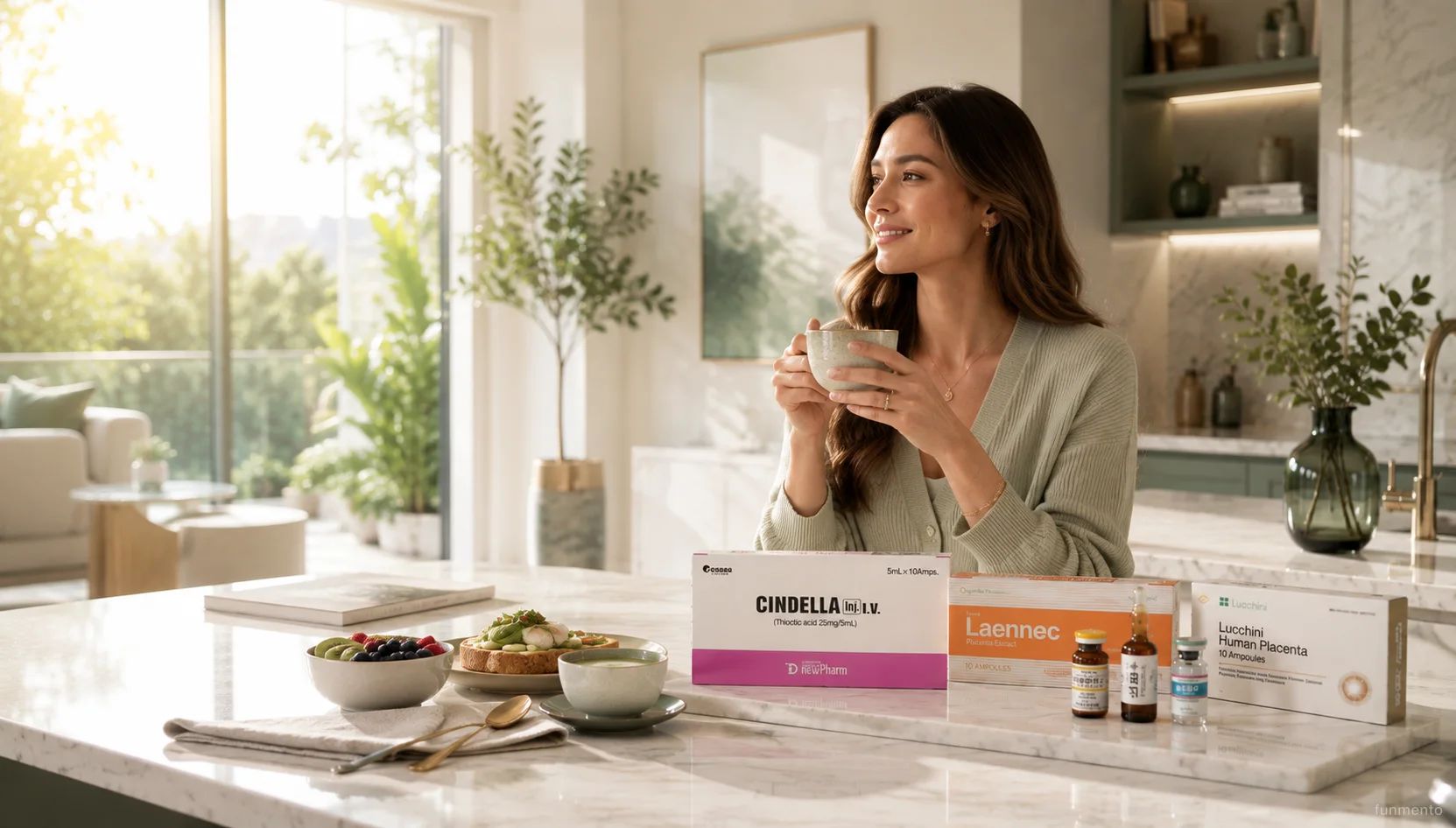
When you’re shopping for Vitamin C, the first question is whether the product you hold is truly what the label promises. Across the United States, United Kingdom, India, and other regions, the market sees a mix of reputable manufacturers and lower‑cost alternatives that may lack the purity needed for consistent antioxidant support. Choosing a genuine product helps ensure that the ingredient can contribute to brighter‑looking skin and overall wellness without unexpected fillers. Below are the practical checkpoints that work regardless of where you buy the supplement.
Start with the ingredient list. A genuine Vitamin C product will specify the exact form—ascorbic acid, sodium ascorbate, magnesium ascorbyl phosphate, or calcium ascorbate—so you know what you’re getting. Look for the percentage of Vitamin C expressed as “% DV” (daily value) or “% of the recommended intake,” which provides a quick reference for how much the product contributes to a balanced diet. In many Asian markets such as the Philippines, Sri Lanka, and Saudi Arabia, the label may also include the International Nomenclature for Cosmetic Ingredients (INCI) name, which is helpful for beauty‑focused users.
Third‑party testing is another reliable indicator of authenticity. Reputable brands will make lab results available through QR codes or a link on the packaging, showing levels of Vitamin C and the absence of heavy metals or microbial contamination. While you don’t need to chase a “FDA‑approved” stamp, a transparent testing process signals that the manufacturer stands behind the product’s quality. In regions like Australia and South Africa, look for references to local testing facilities or recognized global labs that publish their findings on request.
Packaging and storage instructions also matter. Vitamin C is sensitive to light, heat, and moisture, so a genuine product will be sealed in opaque, air‑tight containers and include a clear “store in a cool, dry place” note. If the bottle feels soft or the caps are loosely fitted, the potency may have already diminished, reducing the antioxidant support you expect. Consumers in the United Arab Emirates and France often find that products shipped in climate‑controlled packaging retain their freshness longer.
Finally, weigh price against the quality signals you’ve gathered. Very low prices can indicate diluted formulas or unnecessary additives. A modest premium for transparent sourcing, third‑party testing, and proper packaging is usually a worthwhile trade‑off for consistent results. Remember, results vary from person to person, and the aim is to fit the product into your personal wellness and beauty routine.
- Exact Vitamin C form (e.g., ascorbic acid)
- Daily value percentage
- Absence of unnecessary fillers
- QR code or link to test results
- Clear storage instructions
| Form | Solubility | Typical Use | Skin Benefit |
|---|---|---|---|
| Ascorbic Acid | Water‑soluble | Oral supplements & topical serums | Supports brighter‑looking skin |
| Magnesium Ascorbyl Phosphate | Water‑soluble | Gentle topical formulas | Provides antioxidant support with lower irritation risk |
| Calcium Ascorbate | Water‑soluble (less acidic) | Oral chewables & powders | May support healthy‑looking skin with a milder taste |

How to make sure your product is real
Counterfeits exist in this category. Here's how to protect yourself, and how we guarantee what you buy.
How to spot a genuine product
- Check the safety seals and packaging are intact and factory-sealed — never accept a broken or resealed box.
- Look for a batch or serial code on the box, and make sure it matches the code on the vial or sachet.
- Buy only from authorised sellers — not random social-media resellers or unverified marketplaces.
- Be wary of prices far below the market: a huge discount often means a fake or a refill.
Our authenticity guarantee
100% authentic
Every item is genuine, sourced through authorised channels — never imitations or refills.
Sealed & verified
Products arrive factory-sealed, with intact safety seals and batch codes you can check.
Quality reviewed
Each listing is checked against our standards before it goes on sale.
Genuine or money back
If a product isn't authentic, we'll make it right — full refund, no hassle.
Frequently asked questions (8)
Is Vitamin C safe?
How long until I see results from Vitamin C?
Should I take Vitamin C orally or by injection?
Can I take Vitamin C with vitamin C?
How much Vitamin C should I take?
Who should avoid Vitamin C?
Does Vitamin C really work for skin?
How do I know if my Vitamin C is authentic?
Kept fresh, not forgotten
This is an evergreen guide. Instead of posting a new dated article every month, we keep this page and refresh it as the market changes — so the link you bookmark always has the current answer.
What we re-check every update
- Rankings — re-scored against the latest real customer demand.
- Prices — refreshed so every figure matches checkout.
- Ratings — pulled live from verified buyers.
- Products — new arrivals added, discontinued items removed.
- Safety & regulatory info — reviewed against current advisories.
Keep exploring
Jump straight to a product, browse a category, or read a related guide.
This guide is general information, not medical advice. Results vary from person to person. Follow each product's label, and have injectable products administered by a licensed professional.