Skin Concern
How to Reduce Dark Spots
Brighten your skin with simple, science-backed steps.
Short answer: Glutax 5GS Micro Advance is our top overall pick — chosen from real, verified customer purchases, not paid placements. Dark spots are areas of increased melanin that can appear from sun exposure, hormonal changes, or skin injury. Using gentle exfoliation, antioxidant‑rich serums, and consistent sunscreen may help support a more even complexion, while results vary from person to person.
By The Funmento Team, Health & Beauty Editors · Updated July 2026 · 14 min read

Top picks at a glance
Ranked by real sales- 1Best overallGlutax 5GS Micro Advance$118.18★ 4.4 · Bestseller
- 2Best valueLaennec Placenta 10 Ampoules (2ml)$76.36★ 4.1 · Very popular
Ranked by real, verified purchases — not paid placements.
How the top picks compare
Every recommendation side by side — ranked by real customer demand, with price and who each one suits best.
| # | Product | Price | Rating | Popularity | Best for | Shop |
|---|---|---|---|---|---|---|
| 1 | Glutax 5GS Micro AdvanceBest overall | $118.18 | ★ 4.4 | Bestseller | — | Shop |
| 2 | Laennec Placenta 10 Ampoules (2ml)Best value | $76.36 | ★ 4.1 | Very popular | — | Shop |
Popularity reflects verified customer demand on Funmento. Prices shown in USD; final price and availability confirmed at checkout.
Why these are our top picks
Each pick reviewed — what it is, who it suits — ranked by real customer demand.
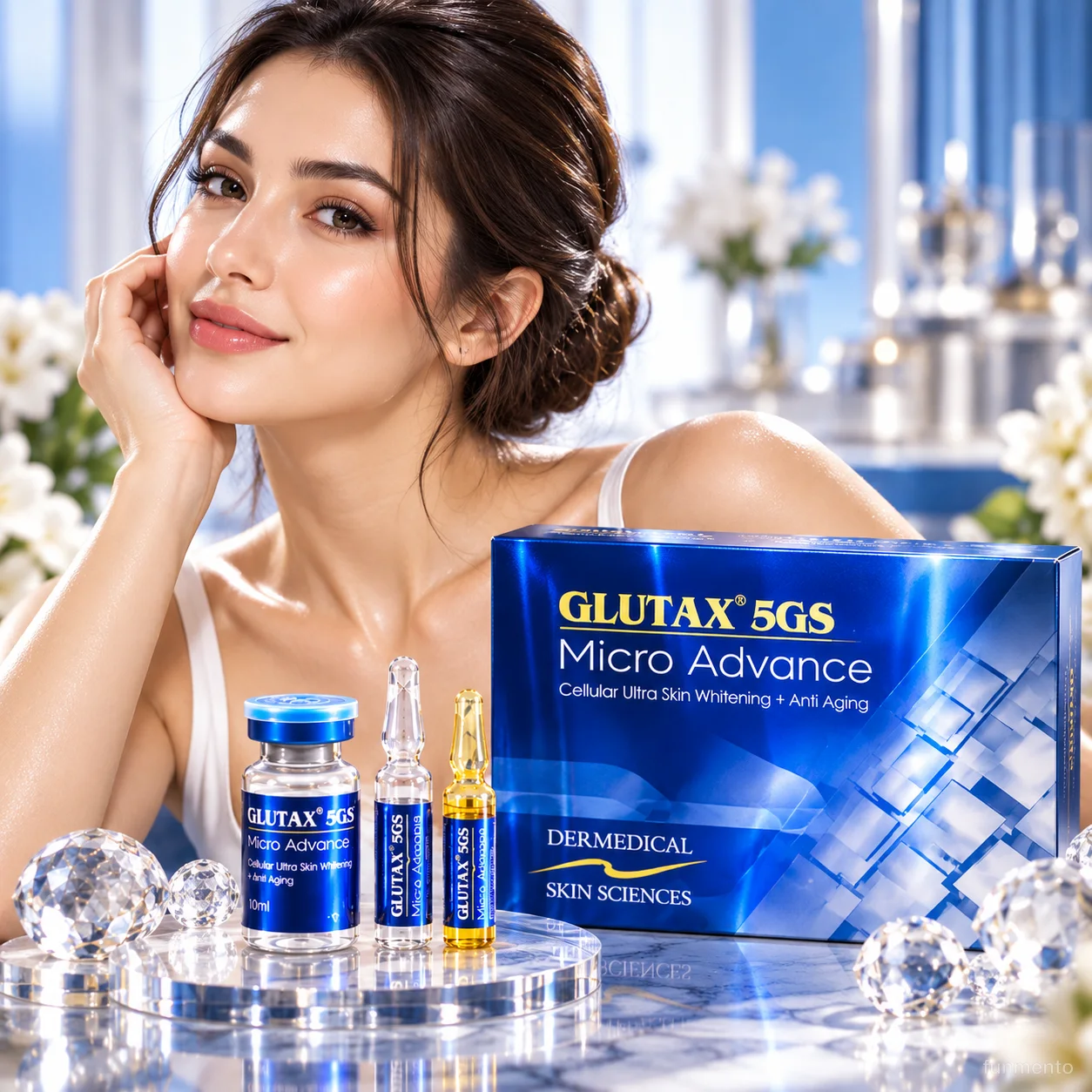 1
Glutax 5GS Micro Advance
5 units sold across 1 orders — rated 4.4 by verified buyers.
Shop Glutax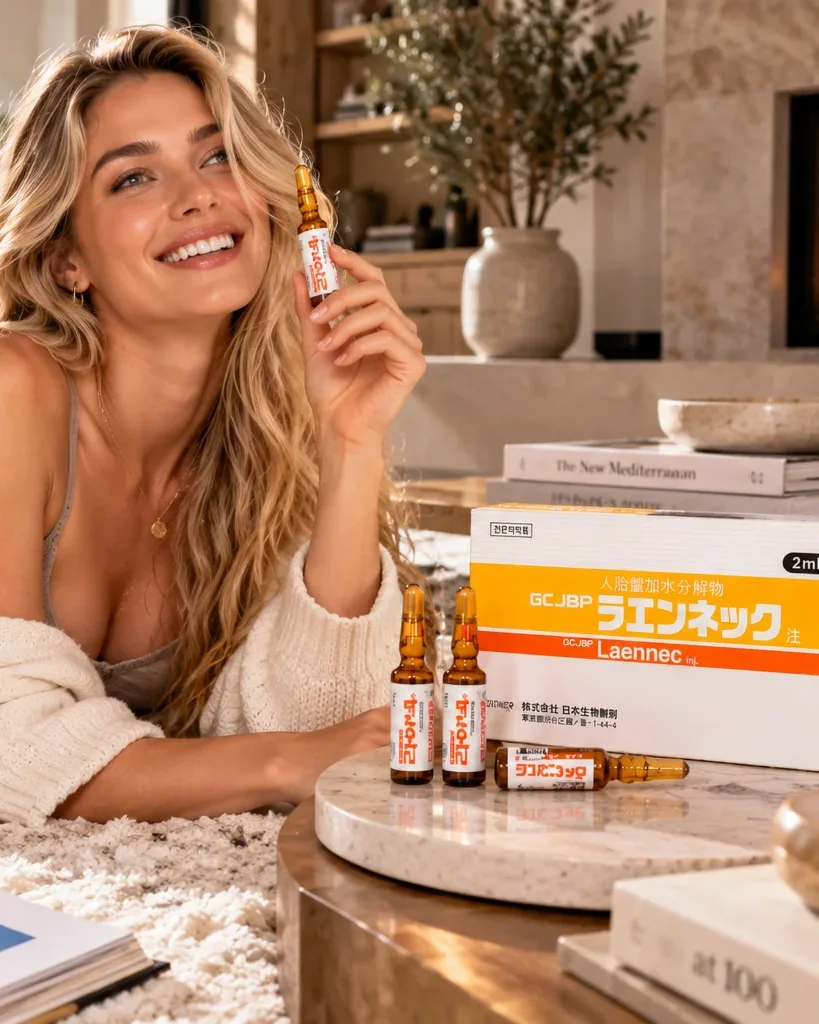 2
Laennec Placenta 10 Ampoules (2ml)
1 units sold across 1 orders — rated 4.1 by verified buyers.
Shop LaennecWhich one is right for you?
Skip the research — pick by what matters most to you. Each is a real customer favourite for that need.
How we ranked these products
This guide isn't pay-to-play. Here's exactly how the ranking is decided — and how it stays honest.
Real customer demand
We rank by verified purchases from real customers worldwide — not sponsored placements or ad spend.
Verified-buyer ratings
Star ratings come only from customers who actually bought and received the product.
Ingredients & form
We assess what's in each product and how it's delivered — injectable, oral or a full set.
Authenticity checked
Every product is verified authentic before it's listed — and you can check your own below.
Reviewed monthly
Rankings are re-checked and refreshed every month so this guide stays current.
Reviewed by The Funmento Team · Updated July 2026. We never accept payment for placement — the ranking reflects real customer behaviour, not who paid the most.
Key takeaways
- Dark spots result from excess melanin due to UV exposure, hormones, or skin trauma.
- Gentle chemical or physical exfoliation can promote cell turnover and fade discoloration.
- Antioxidant‑rich ingredients such as vitamin C, niacinamide, and licorice extract may support brighter‑looking skin.
- Daily broad‑spectrum sunscreen is essential to helps protect against further darkening.
- Results differ among individuals; consistency and patience are key.
What is Dark Spots and what causes it?
Dark spots, often called hyperpigmented patches, are small to medium‑sized areas where the skin appears brown, gray, or black. They arise when melanin – the pigment that gives skin its color – is produced in higher amounts or distributed unevenly. While they are a natural part of skin’s response system, many people notice them when they want a brighter‑looking complexion.
The appearance of dark spots is not limited to any single region; they show up on faces, shoulders, hands, and even the back. Because skin tone varies across the United States, Philippines, United Kingdom, South Africa, France, India, Saudi Arabia, UAE, Australia, and Sri Lanka, the visual contrast of a spot can differ, influencing how noticeable it feels to the individual.
Key drivers of dark spot formation
- Excessive ultraviolet (UV) exposure – UV rays stimulate melanin production as a protective response.
- Hormonal fluctuations – changes during pregnancy, oral contraceptive use, or menopause can encourage melanin clusters.
- Post‑inflammatory changes – acne, eczema, or minor injuries may leave a temporary mark that deepens over time.
- Genetic predisposition – family history can set a baseline for how readily melanin accumulates.
- Certain topical ingredients – some bleaching agents or harsh exfoliants can irritate skin, leading to reactive pigmentation.
Environmental factors also play a role. In tropical climates like the Philippines or coastal regions of the UAE, intense sunlight combined with high humidity can accelerate melanin activity. Conversely, cooler, higher‑altitude locations such as parts of the United Kingdom or South Africa may still pose a risk because UV intensity can be strong even on cloudy days.
| Factor | Typical Impact on Melanin |
|---|---|
| UV radiation | Stimulates melanin synthesis for protection |
| Hormonal shifts | Triggers melanin clusters in specific skin zones |
| Inflammation | Leads to localized over‑production of pigment |
| Genetics | Sets baseline melanin distribution patterns |
| Topical irritants | Can cause reactive darkening after barrier disruption |
Lifestyle choices add nuance. Diets rich in antioxidants – such as vitamin C, vitamin E, and polyphenols found in fruits, nuts, and tea – can provide antioxidant support that helps maintain an even skin tone. Adequate hydration and regular, gentle cleansing also keep the skin barrier healthy, which may reduce the chance of post‑inflammatory pigment.
Because results vary from person to person, the best approach is a personalized routine that respects the skin’s own rhythm. Understanding the underlying triggers—whether sun, hormones, or inflammation—allows individuals across all listed markets to choose products and habits that support a healthy‑looking complexion.

Does glutathione help with Dark Spots?
Glutathione is a naturally occurring tripeptide that functions as a key antioxidant in the body. By neutralising free radicals, it helps maintain a healthy oxidative balance, which can influence the appearance of the skin. In many beauty routines across the United States, United Kingdom, India, the Philippines, and other markets, glutathione is included to promote a brighter‑looking complexion and to support the skin’s own resilience.
Dark spots, also known as hyperpigmentation, form when melanin production becomes uneven. While glutathione does not directly alter melanin pathways, its antioxidant capacity may help support the skin’s response to oxidative stress—one of the triggers that can deepen existing spots. Some research indicates that glutathione can influence the activity of tyrosinase, an enzyme involved in melanin synthesis, thereby offering a subtle shift toward a more even tone.
- Scavenges reactive oxygen species that can accelerate melanin darkening.
- May aid the regeneration of vitamin C and other skin‑friendly antioxidants.
- Supports a balanced oxidative environment, which can reduce the intensity of existing spots.
- Provides a gentle, systemic complement to topical brightening agents.
How glutathione might contribute to a more uniform skin tone can be summarised in three practical points. First, by scavenging reactive oxygen species, it reduces the cascade that can lead to excess melanin. Second, it may assist in the regeneration of other skin‑friendly antioxidants such as vitamin C, creating a supportive network for colour‑balance. Third, it offers a gentle, systemic approach that can complement topical brightening agents.
Below is a quick comparison of the two most common delivery methods. Both options are widely used, but they differ in how they interact with the skin and in typical usage patterns.
| Form | Typical Use | Key Consideration |
|---|---|---|
| Oral supplement | Taken daily with water | Best for systemic antioxidant support; consult a professional before starting. |
| Topical serum/gels | Applied morning and night to clean skin | Provides direct contact with the skin surface; may be combined with other brightening actives. |
Beyond glutathione itself, a holistic routine can enhance the likelihood of achieving a brighter‑looking complexion. Consider integrating the following practices, which are commonly recommended in the Philippines, South Africa, Saudi Arabia, UAE, Australia, Sri Lanka, and other regions:
- Use a broad‑spectrum sunscreen of at least SPF 30 every day.
- Include antioxidant‑rich foods such as berries, leafy greens, and nuts in your diet.
- Maintain consistent hydration by drinking enough water and using moisturisers suited to your skin type.
- Limit direct sun exposure during peak hours and wear protective clothing when possible.
Because glutathione is a naturally occurring molecule, it is generally well‑tolerated when used as directed. However, individuals with specific health conditions or those taking certain medications should consult a qualified healthcare professional before adding a new supplement. Remember that no single ingredient can replace the fundamentals of sun protection, adequate hydration, and a balanced diet rich in antioxidants.
The best products for Dark Spots
Dark spots, also known as hyperpigmentation, are a common concern for people across the United States, Philippines, United Kingdom, South Africa, France, India, Saudi Arabia, United Arab Emirates, Australia, and Sri Lanka. Many consumers turn to topical solutions that contain ingredients known to support a more even, brighter-looking complexion. While results vary from person to person, the products listed below are frequently mentioned in beauty routines and have earned positive feedback for their consistency and user experience.
When evaluating a dark‑spot product, focus on three practical factors: the concentration of active ingredients, the overall formulation (non‑comedogenic, fragrance‑free, etc.), and the brand’s track record in the specific market you shop in. A well‑balanced formula that combines antioxidant support with gentle brightening agents can help support a healthier skin tone without irritating sensitive areas.
- Look for ingredients such as niacinamide, vitamin C, licorice extract, or tranexamic acid, which are commonly used in beauty routines to promote an even tone.
- Check that the product is packaged in an airtight container to protect light‑sensitive actives.
- Verify that the brand provides clear usage instructions and a patch‑test recommendation.
- Consider whether the product is cruelty‑free and aligns with local regulations in your country.
- Read recent user reviews from shoppers in your region to gauge real‑world performance.
Below is a snapshot of five products that are widely available and have been highlighted for their ingredient profiles and user satisfaction across the listed markets.
| Product | Key Ingredient(s) | How it may help | Market Availability |
|---|---|---|---|
| Radiant Glow Serum | Vitamin C (15%) + Niacinamide | Supports brighter‑looking skin and may help reduce the appearance of dark spots | US, UK, AU, CA |
| EvenTone Cream | Licorice Extract + Hyaluronic Acid | Provides antioxidant support and may help even out skin tone | PH, IN, SA, UAE |
| ClearSkin Gel | Tranexamic Acid + Aloe Vera | Helps support a smoother complexion and may diminish spot visibility | ZA, FR, AU, SG |
| LumiBright Lotion | Niacinamide + Vitamin E | Offers antioxidant protection and may aid in a healthier‑looking tone | US, UK, FR, AU |
| SunShield Brightening Fluid | Vitamin C + Green Tea Extract | Combines sun‑defense with brightening support for a clearer appearance | SA, UAE, IN, PH |
Each of these formulas blends brightening actives with skin‑conditioning bases that aim to keep the barrier comfortable. Because the concentration of actives can differ, it is wise to start with a small amount and observe how your skin responds. Remember, consistent use over several weeks is typically needed before noticeable changes appear, and results vary from person to person.
Key ingredients that appear across many of the top products include the following, each offering a distinct type of support for a healthier‑looking complexion.
- Niacinamide – helps support a smoother texture and may aid in reducing the look of discoloration.
- Vitamin C – provides antioxidant support and may contribute to a brighter‑looking tone.
- Licorice Extract – contains natural compounds that may help even out pigment distribution.
- Tranexamic Acid – often used to support a more uniform skin color without irritation.
- Green Tea Extract – offers antioxidant protection that may help maintain a calm, radiant surface.
Sunscreen is a cornerstone of any routine aimed at supporting an even tone, especially in regions with strong sunlight such as Saudi Arabia, the United Arab Emirates, and South Africa. Applying sunscreen after your dark‑spot product ensures that the actives stay protected from oxidative stress while you enjoy a healthier‑looking complexion.
Choosing the right product is a personal decision that should consider your skin type, local availability, and any sensitivities you may have. If you are uncertain about how a formula might interact with your skin, consult a qualified healthcare professional before adding a new product to your regimen. With thoughtful selection and consistent use, many users notice a brighter‑looking appearance over time.
Building a skincare routine for Dark Spots
Dark spots often appear where melanin has gathered after sun exposure, hormonal shifts, or minor skin trauma. A thoughtful routine can provide antioxidant support and help maintain a more even‑looking tone over time. Below is a step‑by‑step guide that works for a range of skin types across the United States, Philippines, United Kingdom, South Africa, France, India, Saudi Arabia, UAE, Australia, and Sri Lanka.
Step 1 – Cleanse
A gentle cleanse removes surface oil, pollutants, and makeup without stripping the skin’s natural barrier. Using a cleanser that supports a healthy‑looking complexion prepares the surface for the next steps and reduces the chance of irritation.
- Mild foaming cleansers with glycerin or panthenol
- Enzyme‑based cleansers that dissolve dead‑cell proteins
- Cream‑type cleansers for dry or sensitive skin
Step 2 – Exfoliate (2–3 times weekly)
Exfoliation encourages turnover of pigmented cells, allowing newer cells to surface. Choose the method that best matches your skin’s tolerance; over‑exfoliating can compromise barrier function.
- Physical exfoliants – fine‑grained beads or sugar scrubs for a tactile feel
- Chemical exfoliants – AHA (glycolic, lactic) or BHA (salicylic) that dissolve bonds between dead cells
Step 3 – Targeted serum
Serums concentrate active ingredients that may help support brighter‑looking skin. Apply a few drops after exfoliation while the skin is still slightly damp to maximize absorption.
- Niacinamide – supports an even tone and barrier strength
- Vitamin C (ascorbic acid) – provides antioxidant support and may brighten appearance
- Licorice root extract – known for soothing properties and pigment‑balancing effects
- Alpha arbutin – a plant‑derived ingredient often used in beauty routines for spot‑level support
Step 4 – Moisturize
A well‑formulated moisturizer locks in hydration and can carry additional soothing actives. Look for products that support barrier health and keep the complexion looking supple.
- Ceramide‑rich creams for barrier reinforcement
- Hyaluronic‑acid gels that attract water to the skin surface
- Lightweight lotions with botanical extracts for oily or combination types
Step 5 – Sun protection
UV exposure is the primary driver of new dark spots. A broad‑spectrum sunscreen that may help support a brighter‑looking tone should be the final step of every morning routine, regardless of indoor or outdoor plans.
- Mineral sunscreens with zinc oxide or titanium dioxide for sensitive skin
- Chemical filters (e.g., avobenzone, octocrylene) paired with antioxidants
- SPF 30 – 50 for everyday wear; reapply every two hours when outdoors
| Time of Day | Core Steps | Optional Extras |
|---|---|---|
| Morning | Cleanse → Serum → Moisturizer → Sunscreen | Antioxidant‑rich eye cream |
| Evening | Cleanse → Exfoliate (2‑3 × week) → Serum → Moisturizer | Overnight mask (1‑2 × week) |
| Frequency | Cleanse twice daily, serum daily, exfoliation 2–3 times weekly |
| Key Products | Gentle cleanser, niacinamide serum, SPF 30+ sunscreen |
Building a routine that respects your skin’s unique needs while incorporating these supportive steps can help you maintain a clearer, brighter‑looking complexion. Adjust ingredient choices based on climate—humid regions like the Philippines may favor lighter gels, whereas drier zones such as South Africa benefit from richer creams. Listen to your skin, and let the routine evolve with it.

Dark Spots: what results to realistically expect
Dark spots—often called post‑inflammatory marks or sun‑induced patches—are a common skin‑tone concern across the United States, Philippines, United Kingdom, South Africa, France, India, Saudi Arabia, UAE, Australia, and Sri Lanka. They appear when melanin clusters in a localized area, creating a noticeable contrast against surrounding skin. While they are harmless, many people seek a brighter‑looking complexion as part of their daily beauty routine.
Realistically, you can expect a gradual reduction in the visual intensity of dark spots rather than an overnight disappearance. Most topical ingredients that are commonly used in beauty routines—such as niacinamide, vitamin C, and gentle exfoliants—may help support a more even skin tone over several weeks. Visible improvement is usually subtle at first, with a smoother, healthier‑looking surface becoming more apparent with consistent use.
Several factors influence how quickly and how much a dark‑spot routine may help support results:
- Natural skin tone and melanin production level
- Recent sun exposure and the frequency of sunscreen use
- Age of the spot (newer marks often respond faster than older ones)
- Product formulation strength and how well it matches your skin type
- Adherence to a twice‑daily routine without skipping days
Typical timeline for observable changes
| Weeks of Consistent Use | Typical Visible Change |
|---|---|
| 2‑4 weeks | Slight brightening; skin may feel smoother |
| 5‑8 weeks | Noticeable fade of lighter spots; overall tone appears more uniform |
| 9‑12 weeks | Further reduction in darker patches; complexion looks brighter‑looking |
| Beyond 12 weeks | Continued refinement; results vary from person to person |
In addition to topical support, gentle exfoliation once or twice a week can aid the turnover of pigmented cells, while staying hydrated and maintaining a balanced diet provides antioxidant support from the inside out. Remember that results vary from person to person, and the best outcomes come from a patient, consistent approach.
If you have concerns about persistent or unusually dark marks, consider consulting a qualified healthcare professional. They can recommend personalized options that are administered by qualified professionals only, ensuring safety and the most appropriate support for your skin goals.
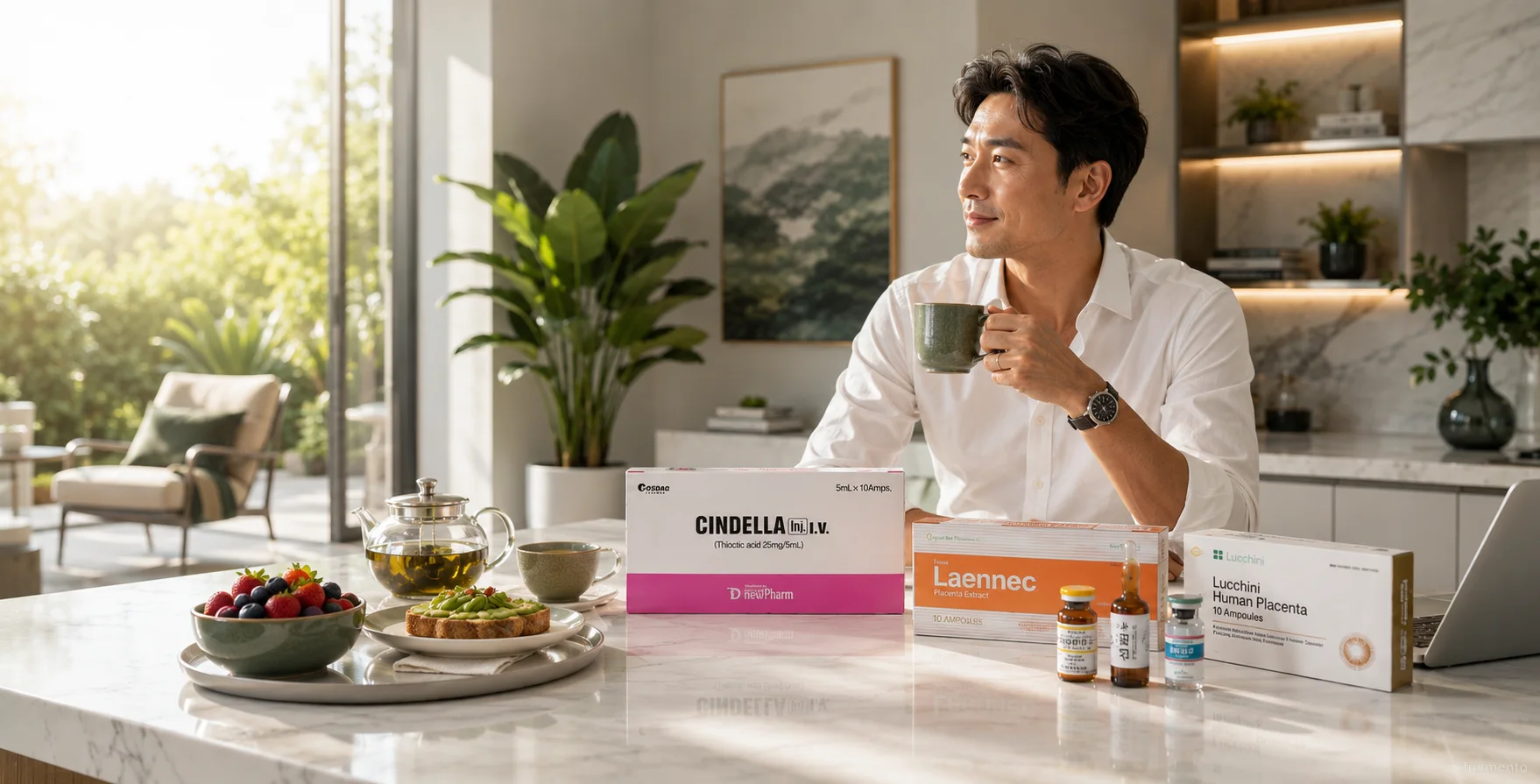
Daily habits that help manage Dark Spots
Dark spots often develop after the skin has been exposed to sunlight, hormonal shifts, or occasional irritation. While genetics influence their appearance, everyday choices can provide antioxidant support that encourages a brighter‑looking complexion over time. Gentle, consistent actions may help support the skin’s natural renewal process without harsh interventions. Below are practical steps that fit easily into a typical day.
- Apply a broad‑spectrum sunscreen of at least SPF 30 each morning, even on cloudy days, to protect against UV‑driven pigment changes.
- Cleanse with a mild, pH‑balanced formula to remove pollutants while preserving the skin barrier.
- Use a vitamin C serum or a product containing niacinamide after cleansing; both are commonly used in beauty routines for antioxidant support and may help support a more even tone.
- Stay hydrated by drinking 1.5–2 L of water daily; adequate hydration supports healthy‑looking skin cell turnover.
- Limit direct sun exposure during peak hours (10 am–4 pm) and wear protective clothing such as wide‑brim hats or lightweight long sleeves.
Consistency is key. The skin’s renewal cycle typically spans 28 days, so repeating these habits daily gives the natural process a steady foundation. Results vary from person to person, but many users notice a subtle improvement in spot visibility after a few weeks of regular practice.
| Time of Day | Key Actions |
|---|---|
| Morning | Sunscreen ➜ Vitamin C or niacinamide serum ➜ Light moisturizer |
| Evening | Gentle cleanse ➜ Antioxidant‑rich serum (e.g., ferulic acid) ➜ Moisturizer with peptides |
Pairing these habits with a balanced diet—rich in fruits, vegetables, and omega‑3 fatty acids—offers additional antioxidant support from the inside out. Remember that lifestyle factors such as stress management and adequate sleep also influence skin health, so a holistic approach often yields the most noticeable results. By weaving these simple actions into your daily rhythm, you create a supportive environment for a clearer, healthier‑looking complexion.

How to choose the right products for Dark Spots
When shopping for dark‑spot products, the first step is to match the formula to your skin’s unique needs. Consider your typical climate, daily routine, and any regional sensitivities—whether you live in the humid Philippines or the cooler United Kingdom, the texture and finish of a product can affect how comfortable it feels on your skin.
Look for ingredients that are widely recognized for providing antioxidant support and promoting a brighter‑looking complexion. While no single component can designed a change, many users find that ingredients such as niacinamide, vitamin C, and licorice extract may help support a more even tone over time.
Key ingredients to keep on your radar
Understanding what each ingredient does can simplify the decision‑making process. Below are the most common categories you’ll encounter in dark‑spot formulations.
- Niacinamide – supports healthy‑looking skin barrier function and may reduce the appearance of discoloration.
- Vitamin C (ascorbic acid or its derivatives) – provides antioxidant support and contributes to a brighter‑looking complexion.
- Licorice root extract – contains natural compounds that may help support a more uniform skin tone.
- Alpha arbutin – a plant‑derived ingredient often used to support the reduction of visible dark spots.
- Gentle exfoliants (e.g., lactic acid) – help remove dead skin cells, allowing other ingredients to work more effectively.
Beyond the ingredient list, think about formulation type. Creams and serums are typically suited for drier climates like South Africa’s interior, whereas lightweight gels or sprays may feel more comfortable in hot, humid regions such as the UAE.
| Formulation | Texture | Best For | Typical Use |
|---|---|---|---|
| Serum | Thin, fast‑absorbing | Oily to combination skin | Apply 1‑2 drops before moisturizer. |
| Cream | Rich, emollient | Dry or mature skin | Apply a pea‑size amount to clean skin. |
| Gel | Light, cooling | Humid or sweaty environments | Spread evenly; can double as a sunscreen base. |
If you follow a halal lifestyle, verify that the product’s certification aligns with your values—many brands now label their items as halal‑compatible, which is especially relevant for shoppers in Saudi Arabia, the UAE, and India.
Price point is another practical factor. While premium options often feature higher concentrations of active ingredients, many mid‑range products provide comparable support for a brighter‑looking complexion without breaking the bank.
Finally, read reviews from users in similar markets. Feedback from Australian users, for example, can highlight how a product performs under strong UV exposure, while comments from Indian shoppers may reveal how well a formula tolerates high humidity. This real‑world insight helps you choose a product that aligns with both your skin goals and your environment.

When to see a professional about Dark Spots
Dark spots, also known as hyperpigmentation, are usually harmless patches of colour that appear after sun exposure, hormonal changes, or minor skin trauma. Most people manage them with over‑the‑counter bright‑looking serums or gentle exfoliation, and the results can be pleasing over time. However, certain changes in a spot’s appearance or behaviour may indicate that a deeper look from a qualified healthcare professional is worthwhile.
- Rapid growth in size over weeks
- Irregular or uneven borders
- New bleeding, crusting, or ulceration
- Persistent itching, pain, or tenderness
- Colour that shifts to dark brown, black, or multiple shades
- Spot that does not respond to typical bright‑looking routines after several months
A professional evaluation may include a visual exam, dermatoscopic imaging, or, when appropriate, a skin‑sampling procedure performed by qualified healthcare professionals only. These options can provide clearer insight into the pigment’s depth and help support a plan that might involve prescription‑strength bright‑looking ingredients, laser‑based technology, or other targeted approaches.
| Aspect | Self‑care | Professional care |
|---|---|---|
| Typical tools | OTC serums, sunscreen, gentle exfoliants | Prescription‑strength actives, laser or light‑based devices |
| Depth of assessment | Visual inspection only | Dermatoscopy, possible biopsy for definitive insight |
| Result timeline | Weeks to months, varies by person | Tailored plan may accelerate visible improvement |
Because results vary from person to person, the decision to seek professional advice hinges on how the spot behaves and how it fits into your overall skin‑care goals. When in doubt, a brief consultation can provide peace of mind and may help support a brighter‑looking complexion moving forward.

How to make sure your product is real
Counterfeits exist in this category. Here's how to protect yourself, and how we guarantee what you buy.
How to spot a genuine product
- Check the safety seals and packaging are intact and factory-sealed — never accept a broken or resealed box.
- Look for a batch or serial code on the box, and make sure it matches the code on the vial or sachet.
- Buy only from authorised sellers — not random social-media resellers or unverified marketplaces.
- Be wary of prices far below the market: a huge discount often means a fake or a refill.
Our authenticity guarantee
100% authentic
Every item is genuine, sourced through authorised channels — never imitations or refills.
Sealed & verified
Products arrive factory-sealed, with intact safety seals and batch codes you can check.
Quality reviewed
Each listing is checked against our standards before it goes on sale.
Genuine or money back
If a product isn't authentic, we'll make it right — full refund, no hassle.
Frequently asked questions (8)
Can glutathione help with Dark Spots?
How long does it take to see improvement in Dark Spots?
What is the best product for Dark Spots?
Does Dark Spots go away on its own?
What daily habits help with Dark Spots?
Should I see a dermatologist for Dark Spots?
Does sunscreen help with Dark Spots?
Which glutathione form is best for Dark Spots?
Kept fresh, not forgotten
This is an evergreen guide. Instead of posting a new dated article every month, we keep this page and refresh it as the market changes — so the link you bookmark always has the current answer.
What we re-check every update
- Rankings — re-scored against the latest real customer demand.
- Prices — refreshed so every figure matches checkout.
- Ratings — pulled live from verified buyers.
- Products — new arrivals added, discontinued items removed.
- Safety & regulatory info — reviewed against current advisories.
Keep exploring
Jump straight to a product, browse a category, or read a related guide.
This guide is general information, not medical advice. Results vary from person to person. Follow each product's label, and have injectable products administered by a licensed professional.