Skin Concern
How to Care for Aging Skin
Simple, science-backed steps for a mature complexion.
Short answer: Glutax 5GS Micro Advance is our top overall pick — chosen from real, verified customer purchases, not paid placements. Aging skin may benefit from a routine that includes gentle cleansing, antioxidant‑rich serums, moisturizers with hyaluronic acid, and daily sunscreen to support a healthy‑looking complexion and protect against environmental stressors. Additionally, incorporating retinol‑based products under professional guidance can help support skin texture, while staying hydrated and maintaining a balanced diet may further enhance skin resilience.
By The Funmento Team, Health & Beauty Editors · Updated July 2026 · 12 min read
Top picks at a glance
Ranked by real sales- 1Best overallGlutax 5GS Micro Advance$118.18★ 4.4 · Bestseller
- 2Best valueLaennec Placenta 10 Ampoules (2ml)$76.36★ 4.1 · Very popular
Ranked by real, verified purchases — not paid placements.
How the top picks compare
Every recommendation side by side — ranked by real customer demand, with price and who each one suits best.
| # | Product | Price | Rating | Popularity | Best for | Shop |
|---|---|---|---|---|---|---|
| 1 | Glutax 5GS Micro AdvanceBest overall | $118.18 | ★ 4.4 | Bestseller | — | Shop |
| 2 | Laennec Placenta 10 Ampoules (2ml)Best value | $76.36 | ★ 4.1 | Very popular | — | Shop |
Popularity reflects verified customer demand on Funmento. Prices shown in USD; final price and availability confirmed at checkout.
Why these are our top picks
Each pick reviewed — what it is, who it suits — ranked by real customer demand.
 1
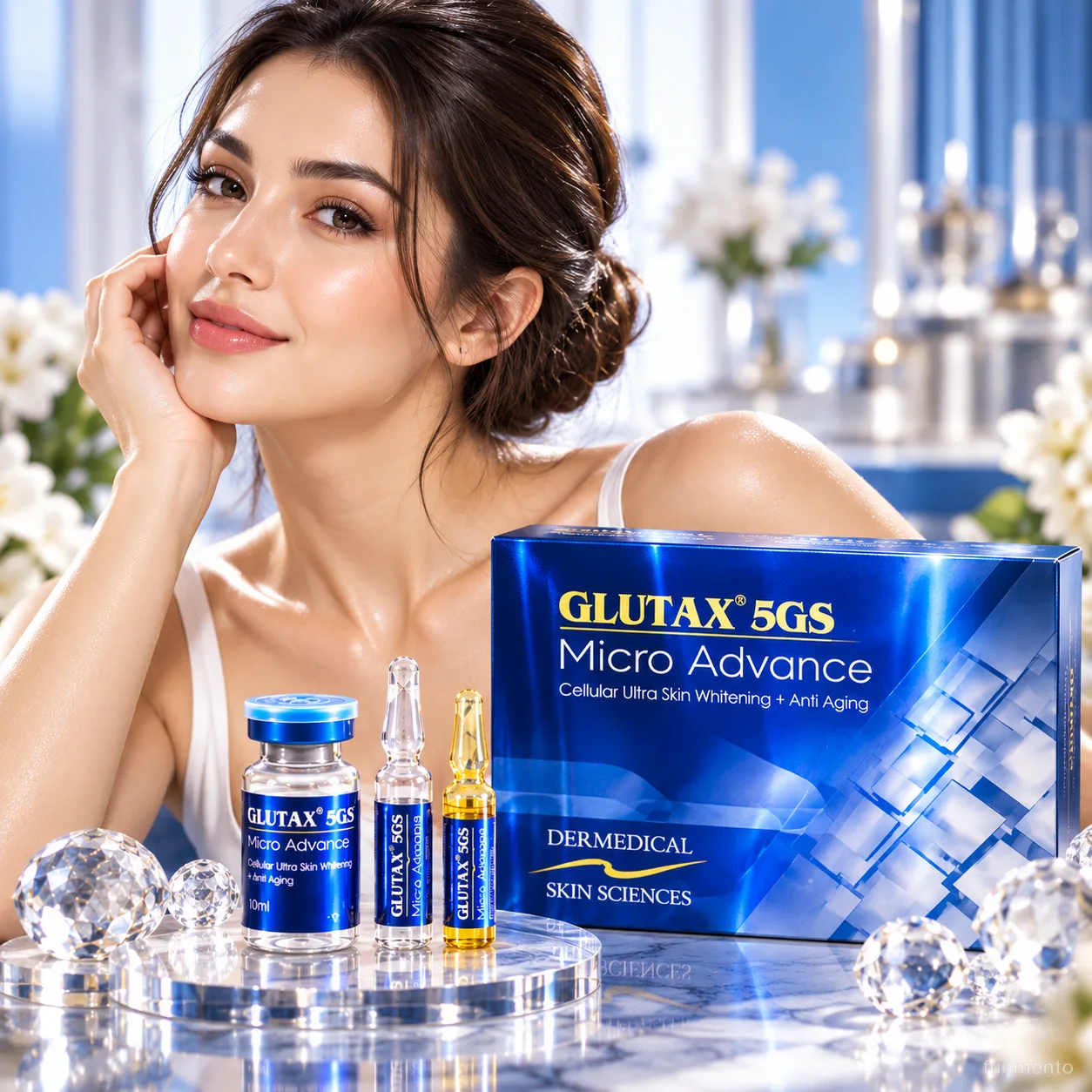
1Glutax 5GS Micro Advance
5 units sold across 1 orders — rated 4.4 by verified buyers.
Shop Glutax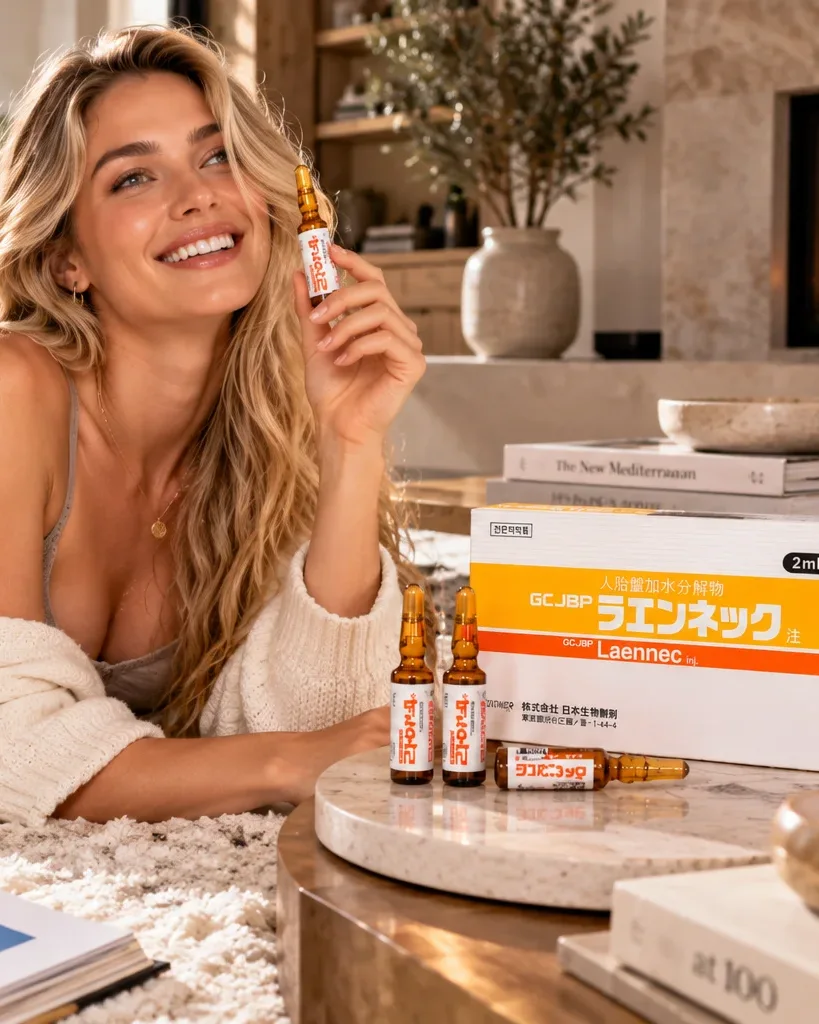 2
2Laennec Placenta 10 Ampoules (2ml)
1 units sold across 1 orders — rated 4.1 by verified buyers.
Shop LaennecWhich one is right for you?
Skip the research — pick by what matters most to you. Each is a real customer favourite for that need.
How we ranked these products
This guide isn't pay-to-play. Here's exactly how the ranking is decided — and how it stays honest.
Real customer demand
We rank by verified purchases from real customers worldwide — not sponsored placements or ad spend.
Verified-buyer ratings
Star ratings come only from customers who actually bought and received the product.
Ingredients & form
We assess what's in each product and how it's delivered — injectable, oral or a full set.
Authenticity checked
Every product is verified authentic before it's listed — and you can check your own below.
Reviewed monthly
Rankings are re-checked and refreshed every month so this guide stays current.
Reviewed by The Funmento Team · Updated July 2026. We never accept payment for placement — the ranking reflects real customer behaviour, not who paid the most.
Key takeaways
- Gentle cleansers preserve the skin barrier.
- Antioxidant serums protect against free‑radical damage.
- Hyaluronic acid moisturizers boost hydration.
- Broad‑spectrum SPF 30+ shields from UV‑induced aging.
- Retinol, when used under professional guidance, may improve texture.
- Adequate water intake and balanced nutrition support skin health.
Does glutathione help with Aging Skin?
Glutathione is a naturally occurring antioxidant that lives in every cell of the body. It works with other antioxidants to neutralize free radicals, which are unstable molecules that can accelerate the appearance of fine lines, loss of elasticity, and uneven tone as skin ages. Because the body’s own production of glutathione tends to decline over time, many people wonder whether supplementing it might support a healthier‑looking complexion.
What is glutathione?
Chemically, glutathione is a tripeptide made from three amino acids: cysteine, glycine, and glutamate. It exists in two forms—reduced (active) and oxidized—and the reduced form is the one that donates electrons to neutralize oxidative stress. In skin cells, this activity helps maintain the integrity of collagen and elastin fibers, which are key to firmness and smoothness.
How glutathione may influence aging skin
While research on skin‑specific outcomes is still emerging, several biological pathways suggest that glutathione could play a supportive role in the visible signs of skin aging.
- Provides antioxidant support that may reduce the impact of daily UV‑induced free radicals.
- Helps recycle other antioxidants such as vitamin C and E, extending their protective effects.
- Participates in the detoxification of melanin‑related compounds, which may contribute to a brighter‑looking tone.
- Supports the cellular repair processes that keep skin barrier function resilient.
Forms and practical considerations
| Form | Typical Use | Key Considerations |
|---|---|---|
| Oral supplement (capsule, powder) | Taken daily with water | Absorption can vary; look for reputable brands with third‑party testing. |
| Topical serum or cream | Applied to clean skin in the morning/evening | May provide localized antioxidant support; stability can be enhanced with airtight packaging. |
| IV infusion (by qualified healthcare professionals only) | Administered in a clinical setting | Provides direct delivery to bloodstream; cost and access differ by region. |
Results vary from person to person, and the most effective approach often depends on individual lifestyle, skin type, and existing antioxidant intake. Combining glutathione with a balanced diet rich in fruits, vegetables, and lean proteins can help maintain the body’s own production pathways.
In summary, glutathione offers antioxidant support that may help maintain a brighter‑looking, resilient complexion as skin ages. It is commonly used in beauty routines worldwide, but its impact will differ based on formulation, consistency of use, and overall skin‑care regimen.
The best products for Aging Skin
Mature skin often feels drier and shows subtle changes in texture. Formulas that focus on barrier reinforcement, antioxidant support, and gentle hydration tend to work well across climates—from the humid streets of Manila to the dry winters of London. Look for products that mention "helps support" moisturisation, "may help support" a smoother appearance, and ingredients that are commonly used in beauty routines for their soothing properties.
- Cleansers with mild surfactants and added ceramides
- Serums rich in niacinamide, peptide complexes, or vitamin C
- Moisturizers containing hyaluronic acid, squalane, or shea butter
- Broad‑spectrum sunscreens (SPF 30‑50) with antioxidant boosters
- Eye creams formulated with caffeine or peptide‑based ingredients
When you compare product categories, the key is how each ingredient works with the skin’s natural renewal cycle. A gentle cleanser prepares the surface without stripping natural oils, while a serum delivers concentrated support to the deeper layers. Moisturisers seal in that support, and a sunscreen provides the final shield that helps maintain a brighter‑looking complexion throughout the day.
| Ingredient | Primary Benefit | Typical Formulation |
|---|---|---|
| Niacinamide | Supports uneven tone and barrier resilience | Serum or moisturizer |
| Peptide Complex | Helps support collagen‑like appearance | Serum or eye cream |
| Hyaluronic Acid | Provides instant hydration and plumping | Moisturizer or serum |
| Vitamin C (Ascorbate) | Offers antioxidant support and brighter‑looking skin | Serum |
Regional preferences can guide your choice. In the United States and Australia, hyaluronic‑acid‑based moisturisers are popular for their lightweight feel. In the Philippines and Sri Lanka, niacinamide‑rich formulas are favoured for their ability to balance oilier climates. French consumers often look for vitamin‑C serums that double as antioxidant shields, while South African shoppers appreciate squalane for its non‑greasy finish in hot, sun‑intense environments.
A simple layering routine can maximise the support each product offers: start with a gentle cleanser, follow with a serum that targets specific concerns, seal with a moisturizer, and finish with a sunscreen in the morning. In the evening, you may skip the sunscreen and add a nourishing night cream that includes peptide complexes for additional support.
Where you buy matters, too. International e‑commerce platforms often carry a wider selection, but local pharmacies and beauty stores in the UAE, Saudi Arabia, and India frequently stock region‑specific formulations that respect cultural preferences and climate demands. Checking ingredient lists for the terms above ensures you’re choosing products that align with your skin’s needs.
Remember, the goal is to maintain a healthy‑looking complexion that feels comfortable day after day. By selecting products that support hydration, antioxidant defence, and barrier health, you give mature skin the tools it needs to look its best—no matter where you call home.
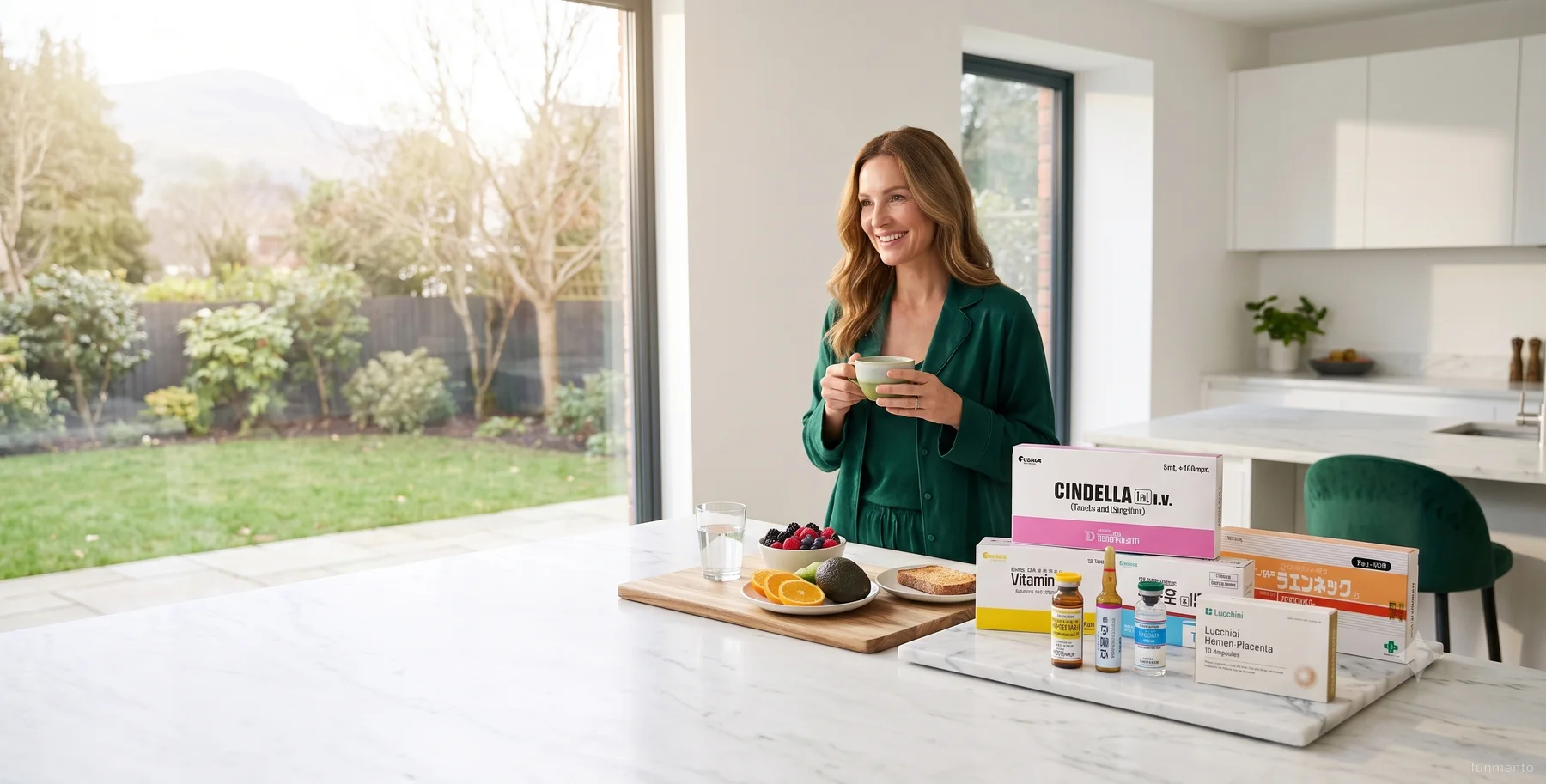
Building a skincare routine for Aging Skin
Aging skin often shows fine lines, loss of firmness, and uneven tone. Building a routine that respects the skin’s natural rhythm can help support a healthy-looking complexion while accommodating the diverse climates and lifestyles found across the United States, Philippines, United Kingdom, South Africa, France, India, Saudi Arabia, United Arab Emirates, Australia, and Sri Lanka. The following steps are designed to be flexible, allowing you to adapt ingredients and textures to your local environment and personal preferences.
Morning basics
- Cleanse with a gentle, pH‑balanced cleanser that removes overnight residue without stripping moisture.
- Apply a water‑based antioxidant serum—ingredients such as vitamin C, niacinamide, or green tea may help support radiance and protect against daily oxidative stress.
- Follow with a lightweight moisturizer containing hyaluronic acid or ceramides to lock in hydration.
- Finish with a broad‑spectrum sunscreen (SPF 30 or higher) to provide antioxidant support and shield the skin from UV‑induced changes.
Evening basics
- Remove makeup and pollutants with a low‑foaming cleanser or a micellar water suited to your skin type.
- Pat a nourishing serum—peptides, bakuchiol, or plant‑derived retinoid alternatives may help support firmness—onto dry skin.
- Seal in moisture with a richer night cream that includes ingredients like squalane, shea butter, or oat extract for overnight comfort.
- If desired, a targeted eye cream with caffeine or peptides can be applied gently around the orbital bone.
Ingredient considerations by climate
- Hot, humid regions (Philippines, Saudi Arabia, UAE): Look for lightweight, oil‑free formulas with built‑in mattifying agents such as niacinamide to keep shine at bay.
- Cool, dry climates (United Kingdom, France, South Africa): Choose richer moisturizers with occlusive ingredients like shea butter or jojoba oil to helps protect against transepidermal water loss.
- Sun‑intense locations (Australia, United States, India): Prioritize sunscreens that contain zinc oxide or titanium dioxide for broad‑spectrum coverage and consider antioxidant‑rich serums to combat photo‑aging.
- High‑altitude or windy areas (Sri Lanka’s hill country, parts of Australia): Incorporate barrier‑supporting ingredients such as ceramides and panthenol to reinforce resilience.
| Region | Typical SPF Range | Preferred Texture |
|---|---|---|
| United States | 30‑50 | Lightweight gel or fluid |
| Philippines | 30‑50 | Oil‑free, mattifying |
| United Kingdom | 30‑40 | Creamy or lotion |
| South Africa | 30‑50 | Broad‑spectrum fluid |
| France | 30‑50 | Silky lotion |
| India | 30‑50 | Non‑comedogenic gel |
| Saudi Arabia | 30‑50 | Mattifying fluid |
| UAE | 30‑50 | Oil‑free gel |
| Australia | 30‑50 | Water‑resistant lotion |
| Sri Lanka | 30‑50 | Lightweight cream |
Remember that results vary from person to person, and the most sustainable routine is one that feels enjoyable to follow each day. By tailoring each step to your local weather, cultural preferences, and skin’s unique needs, you can support a brighter‑looking complexion while embracing the natural evolution of your skin.
Aging Skin: what results to realistically expect
Aging skin changes slowly over time, and the visible signs are usually subtle rather than dramatic. Expect a gradual softening of fine lines, a modest improvement in overall texture, and a more hydrated, brighter-looking complexion when a consistent routine is followed. These outcomes are not instant; they develop over weeks to months and vary from person to person. The goal is to support the skin’s natural resilience while embracing the natural evolution of maturity.
Ingredients such as peptides, antioxidants, and gentle hydrators are commonly used in beauty routines to help maintain elasticity and protect against environmental stressors. When paired with sun‑smart habits and adequate sleep, they may help support a smoother surface and a more even tone. Remember that no single product can rewrite the passage of time, but a thoughtful combination can enhance the skin’s day‑to‑day appearance.
- Reduced appearance of fine lines around the eyes and mouth
- Improved surface smoothness and reduced roughness
- More consistent moisture levels, leading to a supple feel
- A brighter‑looking complexion with a subtle glow
- Better overall tone with fewer noticeable dark spots
| Age Range | Typical Change | Supportive Focus |
|---|---|---|
| 30‑39 | Early fine lines, slight loss of firmness | Hydration, antioxidant protection |
| 40‑49 | Deeper lines, uneven texture, mild pigmentation | Peptide support, barrier reinforcement |
| 50‑59 | Visible loss of elasticity, more pronounced spots | Collagen‑supporting actives, brightening ingredients |
| 60+ | Thinner skin, increased dryness, sagging tendency | Intensive moisturization, gentle firming agents |
Lifestyle choices play a pivotal role in shaping realistic expectations. Regular sunscreen use, a diet rich in fruits and healthy fats, and staying well‑hydrated all help support the skin’s natural defense mechanisms. Stress management and sufficient sleep further assist in maintaining a resilient, healthy‑looking complexion.
In summary, realistic results for aging skin involve a gentle reduction in the visibility of fine lines, a smoother texture, and a more luminous appearance. These benefits develop gradually, respond to a combination of supportive ingredients and healthy habits, and will differ for each individual. Patience and consistency are the best allies on the journey toward age‑graceful skin.
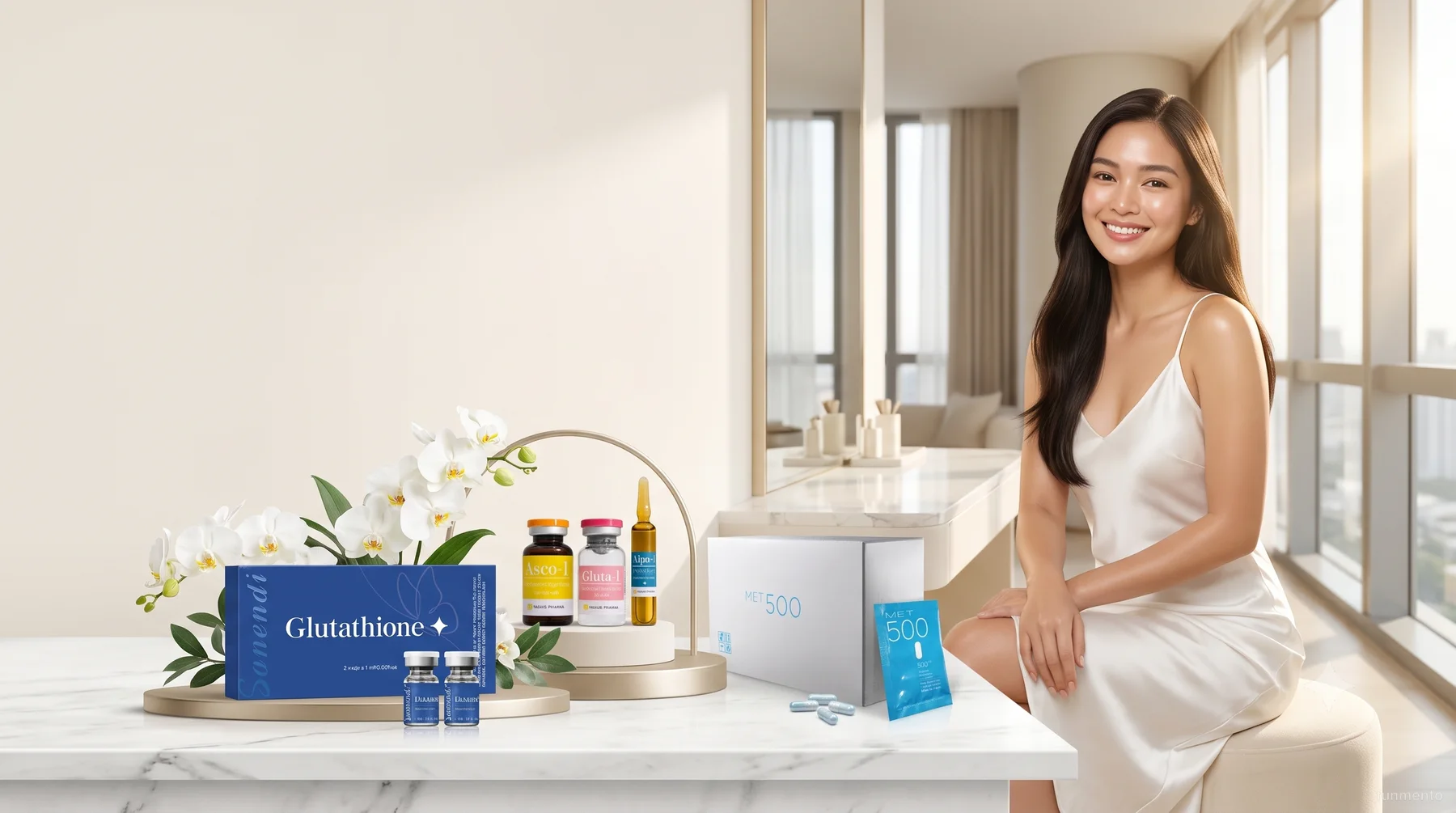
Daily habits that help manage Aging Skin
Every day offers a chance to nurture skin that changes with time. While genetics set the baseline, consistent habits can support a smoother, brighter-looking complexion and help maintain antioxidant balance. Simple actions—like choosing the right cleanser, protecting against UV, and staying hydrated—create a foundation that works across climates, from the humid streets of Manila to the dry breezes of London.
Start with a gentle cleanse that respects the skin’s natural barrier. Over‑cleansing can strip away protective oils, leaving the surface more vulnerable to environmental stressors. Look for formulas that are sulfate‑free and contain soothing ingredients such as oat extract or chamomile, which are commonly used in beauty routines worldwide. Follow the cleanser with a light, antioxidant‑rich serum to help neutralize free radicals that accumulate throughout the day.
- Cleanse with a sulfate‑free, pH‑balanced formula
- Apply an antioxidant serum within minutes of cleansing
- Use a moisturizer that contains hyaluronic acid or ceramides
- Pat a gentle eye cream to support the delicate under‑eye area
- Apply a broad‑spectrum sunscreen of at least SPF 30
- Stay hydrated by drinking water throughout the day
- Get at least 7–8 hours of sleep to aid skin renewal
Beyond the bathroom, lifestyle choices echo on the skin’s texture. Regular movement encourages healthy circulation, while a balanced diet rich in colorful fruits and vegetables supplies the vitamins that support collagen maintenance. Even small adjustments—like using a humidifier in winter or applying a breathable sunscreen each morning—can make a noticeable difference in how the skin feels and appears.
Sun exposure remains the top external factor influencing skin that ages gracefully. Even on cloudy days, UV rays can penetrate and accelerate the breakdown of natural pigments. Choosing a sunscreen that feels comfortable on the skin—whether a fluid gel for humid climates like the Philippines or a matte cream for drier regions such as the United Kingdom—helps maintain a healthy-looking tone without a heavy residue. Reapplying every two hours, especially after outdoor activities, reinforces antioxidant support throughout the day.
| Step | Morning | Evening |
|---|---|---|
| Cleanse | Use a gentle, sulfate‑free cleanser | Use the same gentle cleanser |
| Antioxidant serum | Apply a vitamin C or green tea serum | Apply the same serum for consistency |
| Moisturizer | Choose a lightweight cream with hyaluronic acid | Opt for a richer cream if skin feels dry |
| Sunscreen | Finish with SPF 30+ broad‑spectrum sunscreen | — |
Consistency matters more than intensity. Applying the same supportive products at the same times each day helps the skin adapt and respond predictably. Results vary from person to person, but many find that a steady routine reduces the appearance of fine lines and promotes a more even tone over weeks.
Cultural habits can shape how these daily steps are best integrated. In India and Saudi Arabia, many people prefer oil‑based cleansers after prayer, so pairing them with a water‑based follow‑up can keep the skin balanced. In South Africa and Australia, outdoor sports are common, making a post‑exercise rinse and a lightweight moisturizer a practical combo. Tailoring the routine to local climate and lifestyle ensures the supportive actions feel natural and are easier to keep up with over the long term.
How to choose the right products for Aging Skin
Aging skin often feels drier, looks less firm, and may show fine lines that become more noticeable over time. Selecting products that align with these subtle shifts can keep your complexion looking healthy‑looking and radiant, while supporting the skin’s natural resilience.
Know Your Skin’s Changing Needs
As you move through the 30s, 40s, and beyond, the skin barrier can become thinner, and natural moisture loss may increase. Look for formulas that offer antioxidant support, gentle hydration, and ingredients that encourage a brighter‑looking tone without harsh irritation.
- Peptides that may help support firmness
- Niacinamide for a smoother, more even complexion
- Hyaluronic acid for lasting hydration
- Vitamin C derivatives for antioxidant protection
- Ceramides that reinforce the skin barrier
Match Product Type to Your Routine
| Product Type | Typical Use | Key Benefit for Aging Skin |
|---|---|---|
| Moisturizer | Morning & night | Provides lasting hydration and barrier support |
| Serum | Morning or night, before moisturizer | Delivers concentrated actives like peptides or vitamin C |
| Eye Cream | Morning & night, gentle tap‑in | Targets fine lines and helps maintain moisture around the eyes |
| Sunscreen | Every morning, last step | Offers UV protection that may help support long‑term skin health |
When layering, start with the lightest texture (serum) and finish with the richest (moisturizer). This order helps each product work efficiently, allowing antioxidant and hydrating ingredients to penetrate before sealing them in with a protective barrier.
Read the Label with a Critical Eye
Marketing language can be tempting, but focus on the actual ingredient list and the functions described. Look for terms like "supports" or "helps maintain" rather than absolute promises. Remember, results vary from person to person.
- Check for % concentrations of actives (e.g., 5% niacinamide)
- Avoid high‑pH alcohol‑heavy formulas if your skin feels tight
- Prefer fragrance‑free or low‑fragrance options for sensitive areas
- Look for "for administration by qualified healthcare professionals only" on prescription‑only actives
- Note any “commonly used in beauty routines” claims that align with your preferences
Choosing the right products for aging skin is less about chasing quick fixes and more about building a routine that respects your skin’s evolving needs. By focusing on supportive ingredients, sensible layering, and clear labeling, you can create a personalized approach that encourages a brighter‑looking, more resilient complexion.
When to see a professional about Aging Skin
When the natural rhythm of aging begins to show on the face and body, a professional assessment can bring clarity. While daily moisturizers and antioxidants may help support a healthy-looking complexion, a qualified skin specialist can evaluate underlying factors such as sun exposure, hydration balance, and barrier integrity. This personalized insight often leads to a routine that aligns with an individual’s lifestyle, climate, and cultural preferences.
- Dryness that persists beyond two weeks of consistent moisturising
- Fine lines that do not soften with gentle exfoliation
- Pigment spots that resist brightening serums
- A tight or uncomfortable feeling after cleansing
- Sudden change in skin texture or resilience
Certain signs tend to signal that professional guidance could be especially valuable. Persistent dryness that does not improve after two weeks of consistent moisturising, fine lines that remain unchanged despite the use of gentle exfoliation, uneven pigment that resists brightening ingredients, a sensation of tightness after cleansing, or a sudden shift in skin texture are all cues that a dermatologist or aesthetic practitioner may assess. Addressing these cues early can help maintain a brighter-looking appearance.
Dermatologists, plastic surgeons, and certified aesthetic physicians bring distinct tools to the conversation. They may recommend ingredient‑rich serums that provide antioxidant support, suggest gentle resurfacing techniques that preserve barrier health, or outline in‑office procedures performed by qualified professionals only. Because each market—whether the United States, United Kingdom, or United Arab Emirates—has its own regulatory framework, the practitioner will tailor recommendations to local guidelines and available products.
Understanding regional climate and lifestyle can also guide the timing of a visit. In humid regions such as the Philippines or Sri Lanka, excessive moisture may mask early signs of barrier fatigue, while in drier zones like South Africa or Saudi Arabia, dehydration becomes more apparent. A professional can factor in seasonal variations, sunscreen habits, and cultural beauty routines to suggest a plan that supports long‑term skin resilience.
Preparing for the appointment can make the consultation more productive. Write down the products you currently use, note the frequency of application, and record any recent changes in texture or comfort. Avoid introducing new actives for at least a week before the visit, as this helps the professional isolate existing factors. Remember that results vary from person to person, and the goal is to create a sustainable routine that feels comfortable and supports your unique aging journey.
How to make sure your product is real
Counterfeits exist in this category. Here's how to protect yourself, and how we guarantee what you buy.
How to spot a genuine product
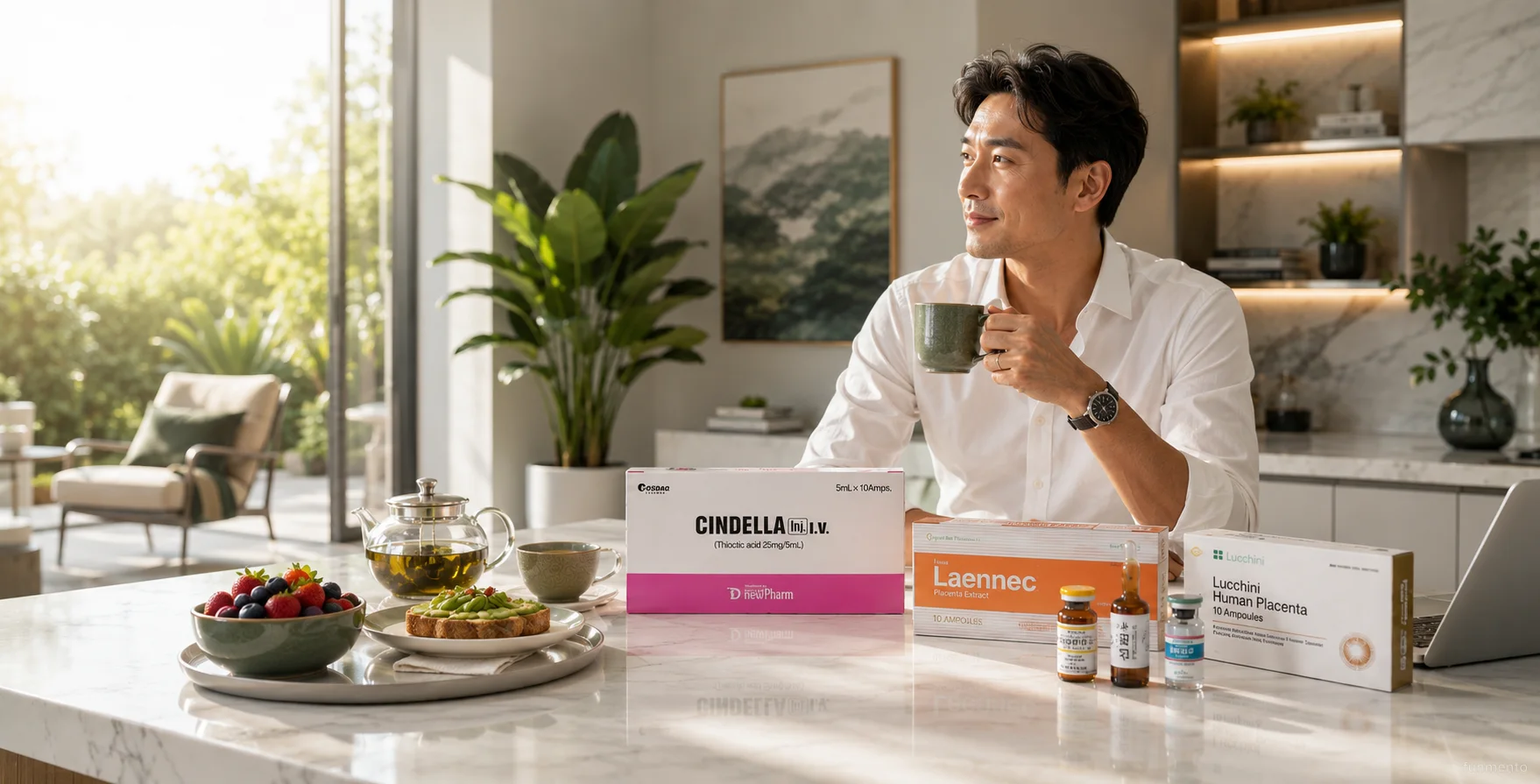
- Check the safety seals and packaging are intact and factory-sealed — never accept a broken or resealed box.
- Look for a batch or serial code on the box, and make sure it matches the code on the vial or sachet.
- Buy only from authorised sellers — not random social-media resellers or unverified marketplaces.
- Be wary of prices far below the market: a huge discount often means a fake or a refill.
Our authenticity guarantee
100% authentic
Every item is genuine, sourced through authorised channels — never imitations or refills.
Sealed & verified
Products arrive factory-sealed, with intact safety seals and batch codes you can check.
Quality reviewed
Each listing is checked against our standards before it goes on sale.
Genuine or money back
If a product isn't authentic, we'll make it right — full refund, no hassle.
Frequently asked questions (8)
Can glutathione help with Aging Skin?
How long does it take to see improvement in Aging Skin?
What is the best product for Aging Skin?
Does Aging Skin go away on its own?
What daily habits help with Aging Skin?
Should I see a dermatologist for Aging Skin?
Does sunscreen help with Aging Skin?
Which glutathione form is best for Aging Skin?
Kept fresh, not forgotten
This is an evergreen guide. Instead of posting a new dated article every month, we keep this page and refresh it as the market changes — so the link you bookmark always has the current answer.
What we re-check every update
- Rankings — re-scored against the latest real customer demand.
- Prices — refreshed so every figure matches checkout.
- Ratings — pulled live from verified buyers.
- Products — new arrivals added, discontinued items removed.
- Safety & regulatory info — reviewed against current advisories.
Keep exploring
Jump straight to a product, browse a category, or read a related guide.
This guide is general information, not medical advice. Results vary from person to person. Follow each product's label, and have injectable products administered by a licensed professional.