Ingredient
Whitening Lotion
Choosing a body lotion for a more even tone.
Short answer: Tokyo White Natural Whitening & Moisturizing Body Lotion 250ml is our top overall pick — chosen from real, verified customer purchases, not paid placements.
By The Funmento Team, Health & Beauty Editors · Updated July 2026 · 15 min read
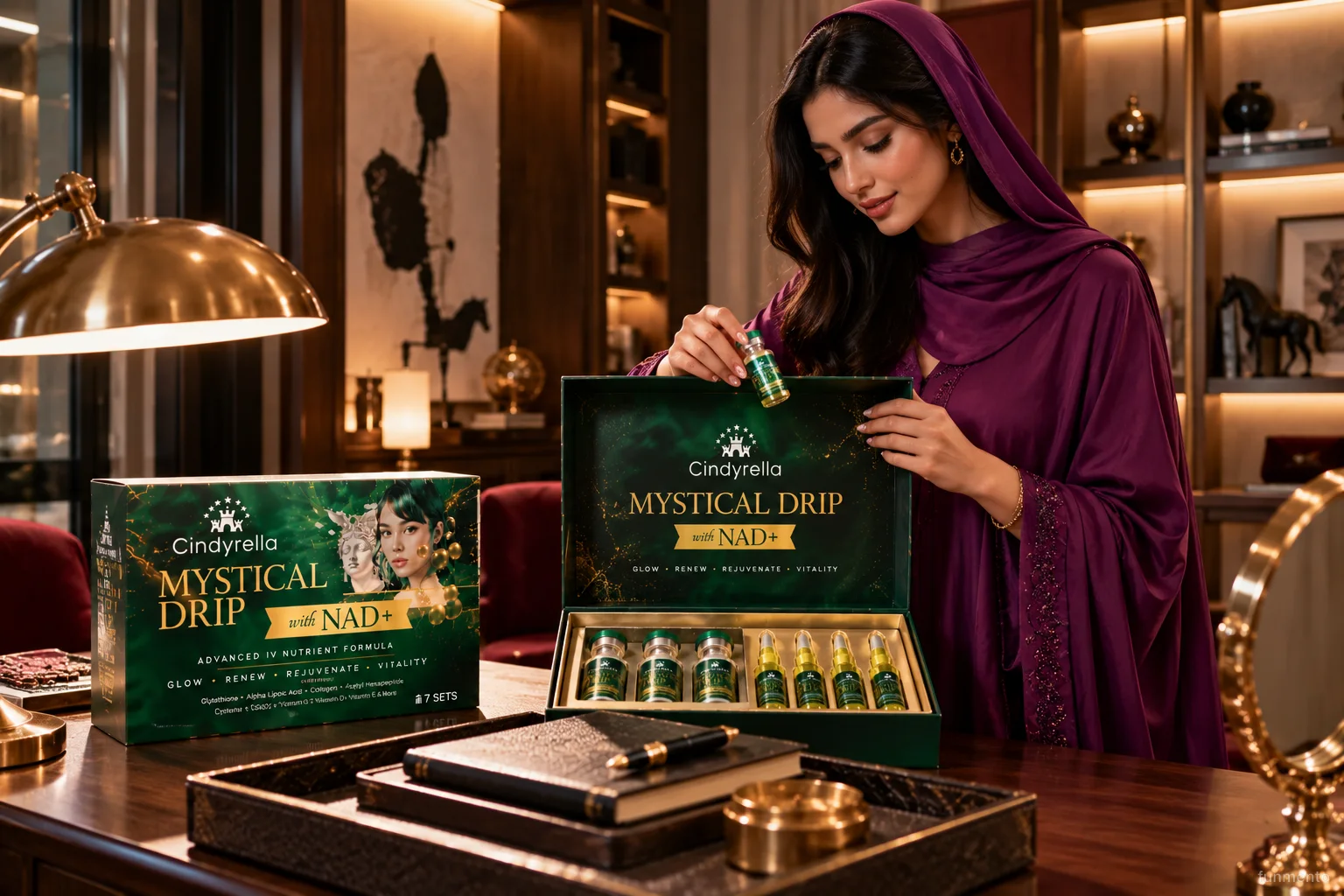
Top picks at a glance
Ranked by real sales- 1Best overallTokyo White Natural Whitening & Moisturizing Body Lotion 250ml$11.82★ 4.6 · Bestseller
- 2Best valueSilka Skin Whitening Lotion w/ Shea Butter 200ml (SPF 23)$5.36★ 4.6 · Very popular
- 3Most popularSilka Premium Whitening Lotion (Papaya With Milk & Honey)$6.00★ 4.7 · Very popular
Ranked by real, verified purchases — not paid placements.
How the top picks compare
Every recommendation side by side — ranked by real customer demand, with price and who each one suits best.
| # | Product | Price | Rating | Popularity | Best for | Shop |
|---|---|---|---|---|---|---|
| 1 | Tokyo White Natural Whitening & Moisturizing Body Lotion 250mlBest overall | $11.82 | ★ 4.6 | Bestseller | — | Shop |
| 2 | Silka Skin Whitening Lotion w/ Shea Butter 200ml (SPF 23)Best value | $5.36 | ★ 4.6 | Very popular | — | Shop |
| 3 | Silka Premium Whitening Lotion (Papaya With Milk & Honey)Most popular | $6.00 | ★ 4.7 | Very popular | — | Shop |
Popularity reflects verified customer demand on Funmento. Prices shown in USD; final price and availability confirmed at checkout.
Why these are our top picks
Each pick reviewed — what it is, who it suits — ranked by real customer demand.
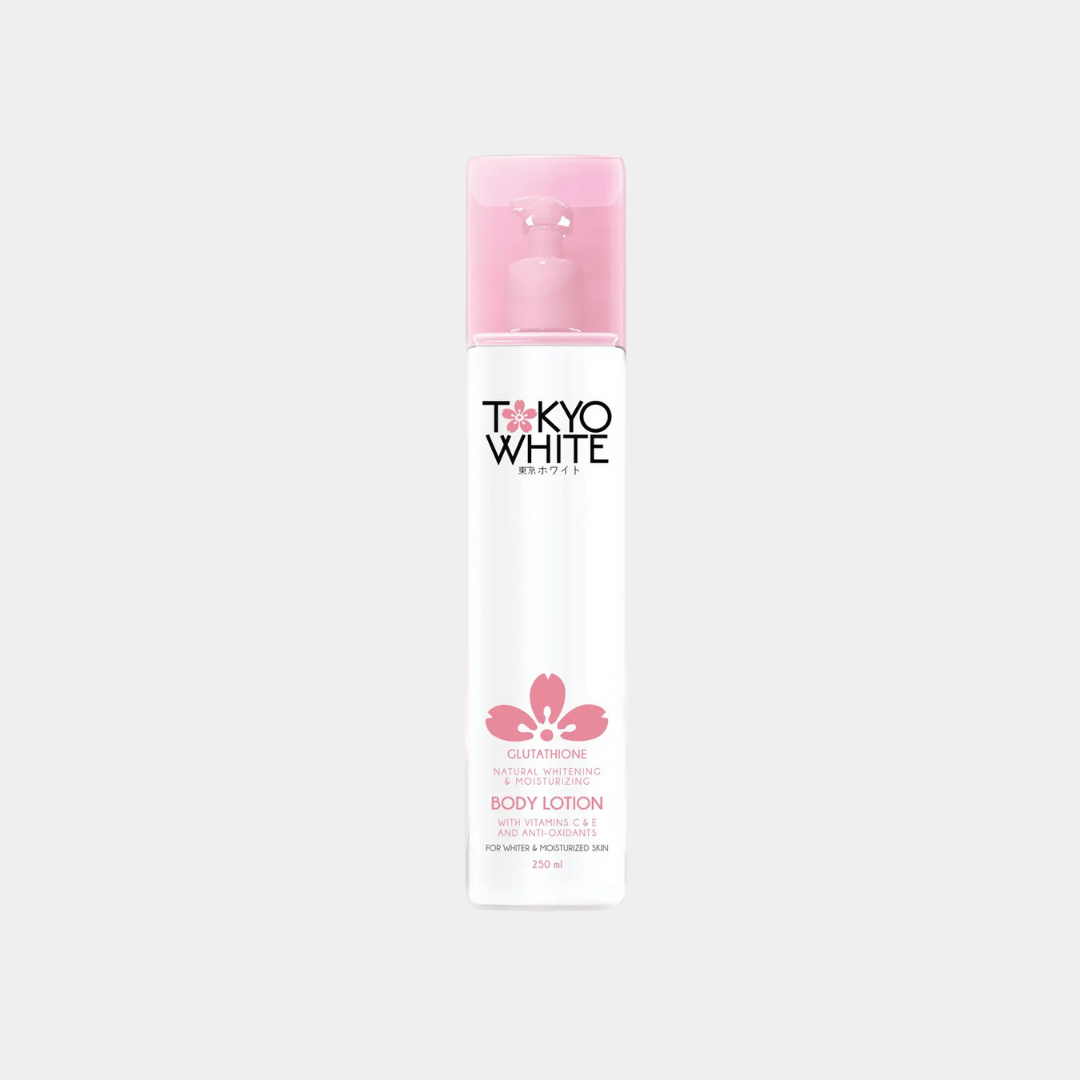 1
1Tokyo White Natural Whitening & Moisturizing Body Lotion 250ml
A customer favourite — rated 4.6 by verified buyers.
Shop Tokyo White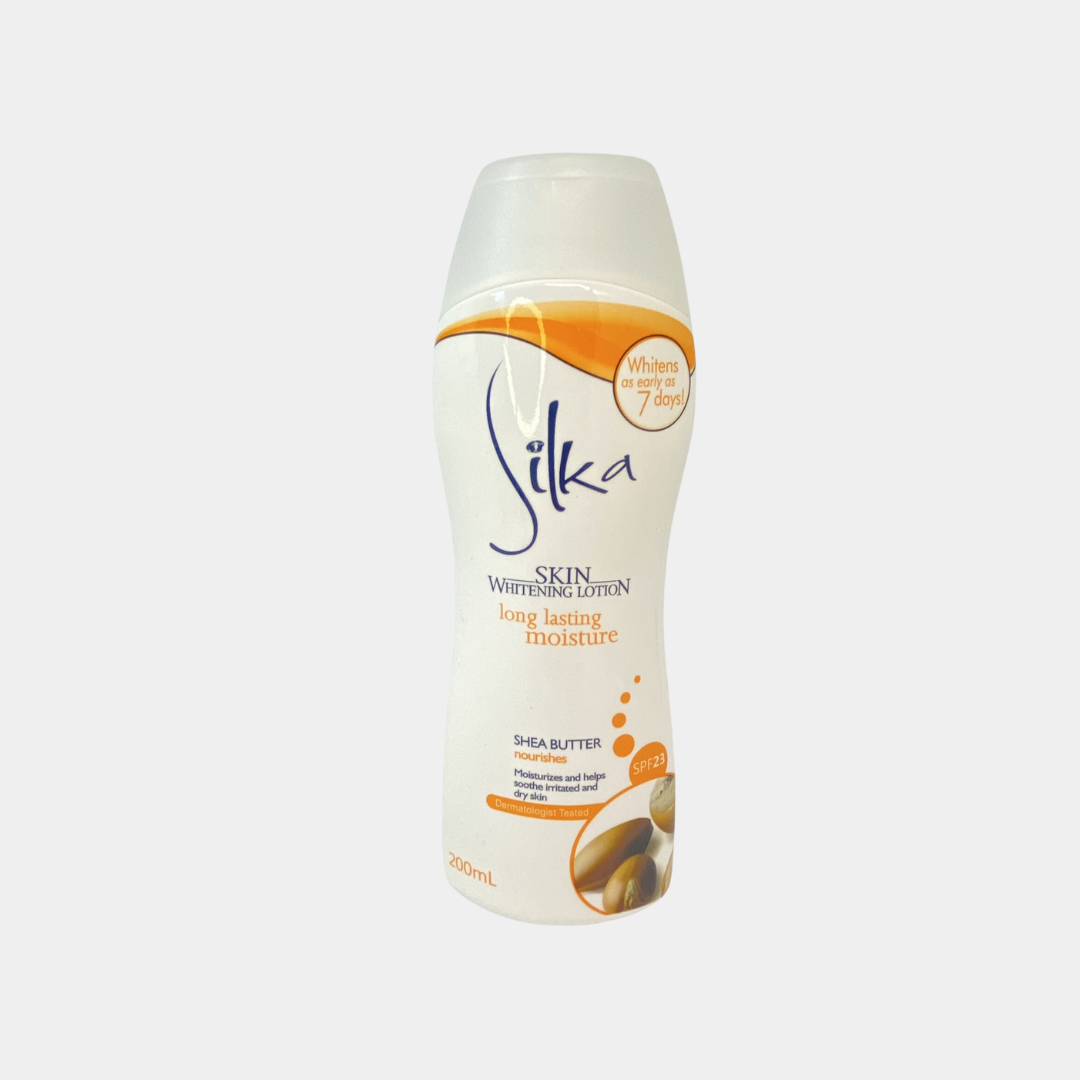 2
2Silka Skin Whitening Lotion w/ Shea Butter 200ml (SPF 23)
A customer favourite — rated 4.6 by verified buyers.
Shop Silka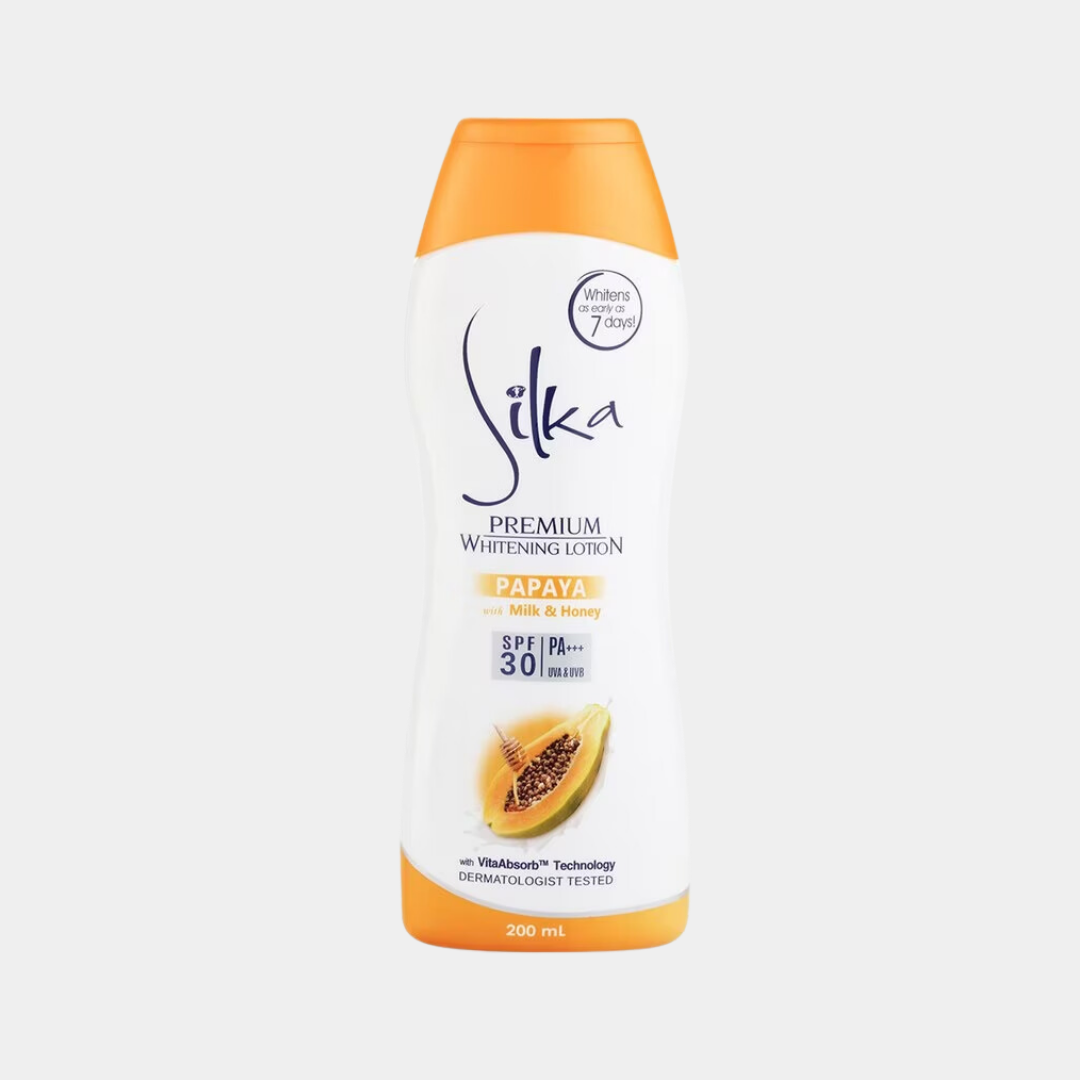 3
3Silka Premium Whitening Lotion (Papaya With Milk & Honey)
A customer favourite — rated 4.7 by verified buyers.
Shop SilkaWhich one is right for you?
Skip the research — pick by what matters most to you. Each is a real customer favourite for that need.
How we ranked these products
This guide isn't pay-to-play. Here's exactly how the ranking is decided — and how it stays honest.
Real customer demand
We rank by verified purchases from real customers worldwide — not sponsored placements or ad spend.
Verified-buyer ratings
Star ratings come only from customers who actually bought and received the product.
Ingredients & form
We assess what's in each product and how it's delivered — injectable, oral or a full set.
Authenticity checked
Every product is verified authentic before it's listed — and you can check your own below.
Reviewed monthly
Rankings are re-checked and refreshed every month so this guide stays current.
Reviewed by The Funmento Team · Updated July 2026. We never accept payment for placement — the ranking reflects real customer behaviour, not who paid the most.
What is Whitening Lotion and how does it work?
A whitening lotion is a topical emulsion that is commonly used in beauty routines to promote a brighter-looking complexion. It is formulated with a blend of water‑soluble actives, moisturizers, and skin‑conditioning agents. In the United States, United Kingdom, Australia, and other regulated markets, these products are sold over‑the‑counter and are not classified as drugs. The lotion is designed to sit on the skin’s surface, allowing its ingredients to interact with the outermost layers of the epidermis.
How the ingredients work together
Most whitening lotions rely on a combination of light‑reflecting particles and antioxidant support. Ingredients such as niacinamide, vitamin C, licorice root extract, and alpha‑arbutin may help support an even tone by gently reducing the appearance of existing discoloration. Moisturizing agents like glycerin and hyaluronic acid keep the barrier hydrated, which can improve the skin’s ability to reflect light evenly. The result is a healthier‑looking surface that appears more luminous.
- Niacinamide – supports barrier function and may reduce the look of uneven tone.
- Vitamin C – provides antioxidant support and can brighten the skin’s appearance.
- Licorice extract – contains glabridin, which may help support a more uniform complexion.
- Alpha‑arbutin – a gentle brightening agent often used for its skin‑tone‑evening properties.
- Light‑diffusing pigments – create a subtle reflective effect for instant radiance.
Typical usage pattern
For most consumers in the Philippines, India, Saudi Arabia, UAE, South Africa, France, Sri Lanka, and other listed regions, the lotion is applied after cleansing and before sunscreen. A thin layer is massaged into the face and neck until fully absorbed, usually once or twice daily. Because the formula is designed for external use only, it does not replace sunscreen; instead, it works alongside sun protection to maintain a brighter-looking tone.
Key ingredients at a glance
| Ingredient | Primary benefit | Typical concentration range |
|---|---|---|
| Niacinamide | Supports barrier health and tone uniformity | 2‑5% |
| Vitamin C (Ascorbic Acid) | Antioxidant support, brightening appearance | 5‑10% |
| Licorice extract | May help reduce visible discoloration | 0.5‑2% |
| Alpha‑arbutin | Gentle tone‑evening support | 1‑3% |
| Glycerin | Hydration and barrier protection | 3‑8% |
Results vary from person to person, and the lotion’s impact depends on factors such as skin type, sun exposure, and overall routine. Users in any of the target markets should perform a patch test before full‑face application and discontinue use if irritation occurs. When paired with a balanced skincare regimen, a whitening lotion may help support a healthier, brighter-looking complexion without the need for prescription‑only products.
The key benefits of Whitening Lotion for skin and overall health
Across the United States, Philippines, United Kingdom, South Africa, France, India, Saudi Arabia, UAE, Australia, and Sri Lanka, whitening lotion has become a staple in daily beauty routines. Formulated to promote a brighter‑looking complexion, these lotions aim to support an even skin tone while delivering antioxidant care that helps maintain a healthy‑looking surface. Because the product is applied topically, it works alongside moisturizers and sunscreens to enhance the overall feel and appearance of the skin.
Most modern whitening lotions rely on a blend of ingredients that act at the cellular level to reduce the visual intensity of existing dark spots and to limit the formation of new discolorations caused by everyday environmental stressors. Niacinamide, for example, assists in the redistribution of melanin, while vitamin C provides powerful antioxidant support that protects against free‑radical damage. Licorice root extract and mulberry fruit extract are commonly added for their gentle brightening influence, making the formula suitable for a wide range of skin types—from oily skin in hot climates like the UAE to drier skin in cooler regions such as the United Kingdom.
- May help support a more uniform skin tone by softening the appearance of hyperpigmentation.
- Provides antioxidant support that contributes to a resilient skin barrier.
- Helps support a smoother texture, reducing the look of rough patches.
- Often includes hydrating agents that leave the skin feeling supple and refreshed.
- Can be incorporated into both morning and evening routines without causing heaviness.
- Supports a brighter‑looking complexion that complements makeup or a natural glow.
Understanding the role of each key ingredient can clarify why the lotion feels beneficial beyond surface brightening. The table below outlines the most frequently used actives and the primary way they support skin health.
| Ingredient | Primary Action | Typical Benefit |
|---|---|---|
| Niacinamide (Vitamin B3) | Regulates melanin transfer | Even‑looking tone |
| Vitamin C (Ascorbic Acid) | Neutralizes free radicals | Antioxidant protection |
| Licorice Root Extract | Inhibits tyrosinase activity | Reduces visible dark spots |
| Hyaluronic Acid | Attracts water molecules | Improves hydration and plumpness |
When introducing a whitening lotion into a routine, consider regional climate and personal skin sensitivity. In humid environments such as the Philippines or Saudi Arabia, a lightweight, non‑comedogenic formula helps avoid excess shine. In drier climates like South Africa or Australia, look for versions enriched with humectants to counteract moisture loss. Always perform a patch test on a discreet area before full‑face use, especially if the product contains botanical extracts that may be new to your skin. Results may vary from person to person, and consistent use over several weeks typically yields the most noticeable changes.
| Main takeaway | Whitening lotion can support an even, brighter‑looking complexion while delivering antioxidant care that benefits overall skin health. |
| Best for | All skin types, especially those looking to reduce the visual impact of dark spots. |
| How to use | Apply after cleansing, before moisturizer; repeat morning and night for consistent support. |

Whitening Lotion: oral vs injectable forms compared
Whitening lotions are available in two main delivery formats: oral capsules that are taken by mouth, and injectable solutions that are administered by a qualified healthcare professional. Both formats aim to support a brighter‑looking complexion, but they differ in how the active ingredients reach the skin, the speed of visible change, and the practical considerations for everyday use.
| Form | Typical Use | Common Ingredients | Onset of Visible Change | Administration Considerations |
|---|---|---|---|---|
| Oral capsule | Swallowed with water once or twice daily | Glutathione, Vitamin C, Niacinamide, Plant extracts | 4–8 weeks for noticeable brightening | Self‑managed; no professional supervision required |
| Injectable solution | Administered by a qualified healthcare professional, usually in a clinic setting | Glutathione‑rich serum, Hyaluronic acid, Vitamin E | 2–4 weeks for noticeable brightening | Requires professional appointment; sterile technique essential |
Because oral capsules travel through the digestive system, the active compounds are first processed by the liver before reaching the bloodstream. This pathway can introduce variability in absorption, especially for individuals with different gut health profiles. Injectable solutions bypass the gastrointestinal tract, delivering the active ingredients directly into the sub‑dermal layer, which may lead to a quicker visual effect but also requires strict aseptic technique.
- Convenience: oral capsules can be taken at home; injectables need clinic visits.
- Cost: injectable sessions typically carry higher per‑treatment fees.
- Safety profile: oral use avoids needle‑related risks; injectables require sterile administration.
- Personal preference: some people enjoy the routine of a daily pill, while others favor periodic professional care.
Results vary from person to person, and neither format should be viewed as a long-lasting-looking solution. For those seeking antioxidant support and a more even skin tone, integrating a whitening lotion—whether oral or injectable—into a broader beauty routine that includes sunscreen, moisturisation, and a balanced diet can help maintain healthy‑looking results over time.

How much Whitening Lotion should you take, and how often?
Because skin responds differently to topical products, the amount of whitening lotion you apply and the frequency of use can vary from person to person. The guidance below reflects common practice among consumers in the United States, Philippines, United Kingdom, South Africa, France, India, Saudi Arabia, UAE, Australia, and Sri Lanka, and it is intended to help you establish a routine that feels comfortable for your skin type.
A typical dose for a facial application is a thin, even layer that covers the entire treated area without leaving a heavy film. Over‑applying can lead to a greasy feel and may reduce the product’s ability to absorb, while under‑applying may limit the visual benefits you are looking for.
- Pea‑sized amount for a single cheek or the forehead.
- Dime‑sized amount for the full face, including neck and décolletage.
- A fingertip‑length strip for targeted areas such as dark spots or uneven patches.
When it comes to frequency, most dermatologists and beauty professionals recommend starting with a conservative schedule and adjusting based on how your skin feels. Consistency is key, but the skin also needs time to renew itself.
| Skin Type / Concern | Suggested Frequency | Typical Amount per Application |
|---|---|---|
| Normal / Lightly Tanned | Once daily in the morning | Dime‑sized amount |
| Oily / Combination | Every other day in the evening | Pea‑sized amount |
| Dry / Sensitive | Every third day, preferably after a gentle moisturizer | Pea‑sized amount |
| Hyperpigmentation focus | Twice weekly, spaced 3‑4 days apart | Fingertip‑length strip |
Apply the lotion to clean, dry skin. Gently massage in circular motions until fully absorbed, then follow with a light moisturizer if your skin feels tight. Avoid using the product on broken or irritated skin, and keep the bottle tightly sealed to protect the formula from light and air.
Results may vary from person to person, and the primary purpose of the lotion is to provide antioxidant support and a brighter‑looking complexion when used as part of a balanced skincare routine.

How long does Whitening Lotion take to show results?
When you first add a whitening lotion to your daily routine, the timeline for noticing a brighter‑looking complexion can differ a lot. In most markets—United States, Philippines, United Kingdom, South Africa, France, India, Saudi Arabia, UAE, Australia, and Sri Lanka—users typically report the first visual change within 2 to 4 weeks, but the exact moment depends on skin type, product concentration, and lifestyle habits.
The skin’s natural turnover cycle is a key driver. For most adults, the outer layer of skin renews itself roughly every 28 days. Because a whitening lotion works on the surface and the upper layers of the epidermis, you’ll usually start to see a healthier‑looking tone after one full renewal cycle when the treated cells have been replaced by newer ones.
- Consistent twice‑daily application (morning and night) supports steady progress.
- Sun protection—broad‑spectrum sunscreen—helps maintain any brightening benefits you achieve.
- Dietary factors such as hydration and antioxidant‑rich foods can enhance the lotion’s supporting effects.
- Individual skin sensitivity may cause slower or faster visible changes.
If you’re aiming for a more noticeable shift—such as a clearer, brighter‑looking complexion across larger areas—most users find that 6 to 8 weeks of regular use yields the most consistent feedback. This longer window allows multiple skin turnover cycles to occur while the lotion’s antioxidant support continues to protect against environmental stressors.
| Skin Type | Typical Time to Notice Change | Notes |
|---|---|---|
| Oily / Combination | 2–3 weeks | Faster turnover may accelerate visual results. |
| Normal / Balanced | 3–4 weeks | Steady progress with regular application. |
| Dry / Mature | 4–6 weeks | Longer hydration phase may delay initial appearance. |
| Sensitive | 5–7 weeks | Gentle formulas reduce irritation, but patience is key. |
Remember that a whitening lotion is commonly used in beauty routines to support an even, brighter‑looking tone rather than to produce long-lasting-looking change. Pairing the lotion with a well‑balanced skincare regimen—cleanser, moisturizer, and sunscreen—creates a supportive environment for the skin to reveal its natural radiance over time.
If you notice any unexpected irritation or if the skin feels unusually dry, pause use for a few days and re‑evaluate. For personalized guidance, consult a qualified skincare professional who can recommend adjustments based on your unique skin profile.

Whitening Lotion side effects and safety: what to know
When a whitening lotion is added to a daily routine, the most important question is how it interacts with the skin’s natural barrier. Across the United States, Philippines, United Kingdom, South Africa, France, India, Saudi Arabia, United Arab Emirates, Australia and Sri Lanka, regulators focus on ingredient safety rather than colour outcome, so users should look for transparent labelling and be aware that individual responses can vary.
Most whitening lotions rely on ingredients such as niacinamide, licorice extract, mulberry fruit extract, and low‑level alpha‑hydroxy acids. These components are commonly used in beauty routines to support an even‑toned, brighter‑looking complexion, but they can also introduce temporary tingling, mild redness, or a subtle peeling sensation, especially when the formulation contains a higher concentration of exfoliating acids.
- Transient tingling or warmth
- Mild redness that fades within a few hours
- Light scaling or peeling on the applied area
- Occasional dryness or tightness
- Temporary darkening of pre‑existing hyperpigmentation
Risk factors differ by skin type, sun exposure habits, and concurrent use of other actives. Individuals with sensitive or compromised barriers, such as those who regularly use strong cleansers or who spend extended periods outdoors without sunscreen, may notice a higher frequency of mild irritation. Likewise, the presence of fragrance or alcohol can amplify the sensation of warmth, making it prudent to read the full ingredient list before purchase.
| Country | Regulatory authority | Typical classification |
|---|---|---|
| United States | FDA (Cosmetics Division) | Cosmetic – over‑the‑counter |
| Philippines | FDA Philippines | Cosmetic – OTC with labeling limits |
| United Kingdom | MHRA | Cosmetic – OTC |
| South Africa | SAHPRA | Cosmetic – OTC |
| France | ANSM | Cosmetic – OTC |
| India | CDSCO | Cosmetic – OTC |
| Saudi Arabia | SFDA | Cosmetic – OTC |
| UAE | UAE Ministry of Health | Cosmetic – OTC |
| Australia | TGA | Cosmetic – OTC |
| Sri Lanka | NMRA | Cosmetic – OTC |
If any sign of persistent redness, swelling, or itching lasts longer than 24 hours, stop using the product and cleanse the area with a gentle, fragrance‑free cleanser. Consulting a dermatologist or a qualified skin‑care professional is advisable, especially for those with a history of eczema, rosacea, or allergy to botanical extracts.
To keep the experience as comfortable as possible, store the lotion in a cool, dry place, avoid applying it on broken skin, and pair it with a broad‑spectrum sunscreen of at least SPF 30 each morning. Re‑evaluating the product after a month can help you decide whether the benefits to a brighter‑looking tone outweigh the occasional mild irritation you may experience.

Can you take Whitening Lotion with vitamin C?
Many people wonder whether a whitening lotion can be paired with vitamin C‑rich products, such as serums or dietary supplements. Both categories are commonly used in beauty routines to promote brighter‑looking skin, but their ingredients work in slightly different ways. Understanding how they interact helps you decide if stacking them fits your routine.
Whitening lotions often contain ingredients like niacinamide, arbutin, or licorice extract, which may help support an even skin tone by reducing the appearance of dark spots. Vitamin C, typically delivered as L‑ascorbic acid or magnesium ascorbyl phosphate, offers antioxidant support and can brighten the complexion by neutralising free radicals. When used together, the two may complement each other, delivering a broader spectrum of skin‑brightening benefits.
Formulation compatibility is the next factor to check. Some whitening lotions have a low pH to keep active ingredients stable, while certain vitamin C serums require a more acidic environment. If the pH ranges differ dramatically, you might notice a temporary tingling sensation or reduced efficacy. In practice, most modern products are designed to be skin‑friendly, but a quick patch test is always wise.
Here are three practical steps to incorporate both products safely:
- 1Cleanse your face with a gentle, pH‑balanced cleanser and pat dry.
- 2Apply vitamin C serum first, allowing 1‑2 minutes for absorption.
- 3Follow with the whitening lotion, spreading a thin layer over the same areas.
If you prefer oral vitamin C supplements, the interaction is even less direct. Oral vitamin C provides systemic antioxidant support, while a topical whitening lotion works on the skin’s surface. Together, they may offer a holistic approach to brighter‑looking skin, but remember that results vary from person to person.
| Ingredient | Primary Benefit | Typical pH Range |
|---|---|---|
| Niacinamide (whitening lotion) | Supports even tone | 5.5‑6.5 |
| Arbutin (whitening lotion) | May help support brightening | 5‑7 |
| L‑ascorbic acid (vitamin C serum) | Antioxidant support, brightening | 3‑3.5 |
| Magnesium ascorbyl phosphate (vitamin C serum) | Gentle brightening, antioxidant | 5‑6 |
In summary, using a whitening lotion alongside vitamin C—whether topically or orally—can be a sensible addition to a beauty routine, provided you respect formulation pH, monitor skin response, and adjust frequency based on how your skin reacts. As always, individual outcomes differ, so listening to your skin remains the best guide.

How to choose a genuine Whitening Lotion product
When selecting a whitening lotion, the goal is to find a formulation that may help support a brighter‑looking complexion while respecting local regulations. Because product labeling can differ across the United States, Philippines, United Kingdom, South Africa, France, India, Saudi Arabia, UAE, Australia, and Sri Lanka, a systematic approach helps you avoid counterfeit or sub‑standard items. Look for transparent ingredient lists, clear manufacturing details, and any regional compliance symbols that indicate the product meets the minimum safety standards required for cosmetics.
- Ingredient transparency – full list with INCI names
- Manufacturing origin – reputable facility or licensed distributor
- Regulatory symbols – e.g., US FDA Cosmetics, EU CE Mark, SA SA COSA
- Packaging quality – tamper‑evident seals and batch codes
- Price consistency – market‑average price range for the brand
Ingredient transparency lets you confirm the presence of known brightening agents such as niacinamide, arbutin, or licorice extract, all of which are commonly used in beauty routines for antioxidant support. A reputable manufacturing origin, whether it’s a GMP‑certified plant in the United States or an approved facility in the United Arab Emirates, signals that quality controls are in place. Regulatory symbols vary: the United States relies on the FDA’s cosmetics guidance, the European Union (including France and the United Kingdom) uses the CE mark, while South Africa looks for the SA COSA seal. Packaging that includes a batch or lot number and a tamper‑evident seal reduces the risk of counterfeit products, especially in markets where online sales are prevalent. Finally, price consistency helps flag deals that are too good to be true; genuine products typically fall within a predictable price band for their concentration and brand reputation.
| Region | Typical label cues | Regulatory reference |
|---|---|---|
| United States | FDA Cosmetics statement, batch code | 21 CFR Part 700 |
| Philippines | FDA‑approved cosmetics seal, lot number | Philippine FDA Circular 2020‑018 |
| United Kingdom | UKCA or CE mark, ingredient INCI list | UK Cosmetic Regulation (UKCRN) |
| South Africa | SA COSA logo, manufacturing licence number | South African Health Products Regulatory Authority |
| France | CE mark, EU cosmetics logo | EU Cosmetic Regulation (EC) 1223/2009 |
| India | BIS certification, batch code | Bureau of Indian Standards (BIS) |
| Saudi Arabia | SFDA logo, Arabic ingredient list | Saudi Food & Drug Authority |
| UAE | UAE GCC Standardization Organization mark | GSO 2195/2005 |
| Australia | Therapeutic Goods Administration (TGA) statement | Australian Therapeutic Goods Act |
| Sri Lanka | SL FDA label, batch number | Sri Lanka FDA Cosmetic Guidelines |
- 1Check the ingredient list for INCI names you recognize; unfamiliar terms should be researched before use.
- 2Locate the batch or lot number on the packaging, then verify it on the brand’s official verification page or via a QR scan.
- 3Confirm the presence of the appropriate regulatory symbol for your country – this indicates the product has met baseline safety checks.
- 4Inspect the packaging for tamper‑evident seals, consistent printing quality, and correct spelling of the brand name.
- 5Compare the price with other authorized retailers; a significant discount may signal a counterfeit or low‑quality batch.
By following these steps, you can select a whitening lotion that supports a healthy‑looking, brighter‑looking tone while minimizing the risk of encountering counterfeit or poorly formulated products. Remember, results vary from person to person, and the best outcomes come from consistent use within a balanced skin‑care routine.
Whitening Lotion price and value: what to expect
When you look at the price tag on a whitening lotion, the first thing to notice is that cost is often a reflection of the formulation and the brand’s positioning in the market. In the United States and United Kingdom, you’ll typically see higher price points because of stricter ingredient sourcing standards and extensive packaging design. In contrast, markets such as the Philippines, India, and Sri Lanka often offer more budget‑friendly options that still deliver the same core ingredients, though the concentration and supporting actives may differ.
Value isn’t just about the number you pay; it’s about what you receive for that amount. Lotions that contain a blend of niacinamide, licorice extract, and vitamin C may help support an even‑toned, brighter‑looking complexion, while also offering antioxidant support. Brands that invest in stable packaging—air‑tight pumps, UV‑protected bottles—help preserve the efficacy of these actives, which can translate into a longer shelf life and fewer wasted applications.
| Country | Typical Retail Price (USD) | Key Value Highlights |
|---|---|---|
| United States | $25‑$45 | Niacinamide + Vitamin C, air‑tight pump |
| United Kingdom | £20‑£38 | Licorice extract, recyclable packaging |
| Philippines | ₱800‑₱1,500 | Vitamin C + Aloe, budget‑friendly |
| South Africa | R350‑R600 | Niacinamide, locally sourced ingredients |
| France | €22‑€40 | Vitamin C, elegant glass bottle |
| India | ₹600‑₹1,200 | Licorice + Vitamin E, value packs |
| Saudi Arabia | SAR 80‑SAR 150 | Niacinamide, fragrance‑free |
| UAE | AED 90‑AED 170 | Vitamin C, travel‑size options |
| Australia | A$30‑A$55 | Niacinamide + Aloe, cruelty‑free |
| Sri Lanka | LKR 2,500‑LKR 4,500 | Vitamin C, lightweight formula |
How to assess whether the price matches the value
- Check the concentration of active ingredients—higher percentages often justify a higher price.
- Look for additional supportive components such as antioxidants, moisturizers, or soothing extracts.
- Consider packaging quality; airtight pumps and UV‑blocking containers protect the formula from degradation.
- Read user reviews to gauge how the product performs in real‑world skin routines.
Remember that results vary from person to person, and the most cost‑effective choice is one that aligns with your skin type, routine preferences, and the level of antioxidant support you seek. By focusing on ingredient transparency, packaging integrity, and brand reputation, you can make a confident decision about the true value of a whitening lotion, no matter where you shop.
How to make sure your product is real
Counterfeits exist in this category. Here's how to protect yourself, and how we guarantee what you buy.
How to spot a genuine product
- Check the safety seals and packaging are intact and factory-sealed — never accept a broken or resealed box.
- Look for a batch or serial code on the box, and make sure it matches the code on the vial or sachet.
- Buy only from authorised sellers — not random social-media resellers or unverified marketplaces.
- Be wary of prices far below the market: a huge discount often means a fake or a refill.
Our authenticity guarantee
100% authentic
Every item is genuine, sourced through authorised channels — never imitations or refills.
Sealed & verified
Products arrive factory-sealed, with intact safety seals and batch codes you can check.
Quality reviewed
Each listing is checked against our standards before it goes on sale.
Genuine or money back
If a product isn't authentic, we'll make it right — full refund, no hassle.
Frequently asked questions (8)
Is Whitening Lotion safe?
How long until I see results from Whitening Lotion?
Should I take Whitening Lotion orally or by injection?
Can I take Whitening Lotion with vitamin C?
How much Whitening Lotion should I take?
Who should avoid Whitening Lotion?
Does Whitening Lotion really work for skin?
How do I know if my Whitening Lotion is authentic?
Kept fresh, not forgotten
This is an evergreen guide. Instead of posting a new dated article every month, we keep this page and refresh it as the market changes — so the link you bookmark always has the current answer.
What we re-check every update
- Rankings — re-scored against the latest real customer demand.
- Prices — refreshed so every figure matches checkout.
- Ratings — pulled live from verified buyers.
- Products — new arrivals added, discontinued items removed.
- Safety & regulatory info — reviewed against current advisories.
Keep exploring
Jump straight to a product, browse a category, or read a related guide.
This guide is general information, not medical advice. Results vary from person to person. Follow each product's label, and have injectable products administered by a licensed professional.