Ingredient
Collagen Benefits & Uses
Collagen's building blocks for skin and joint comfort.
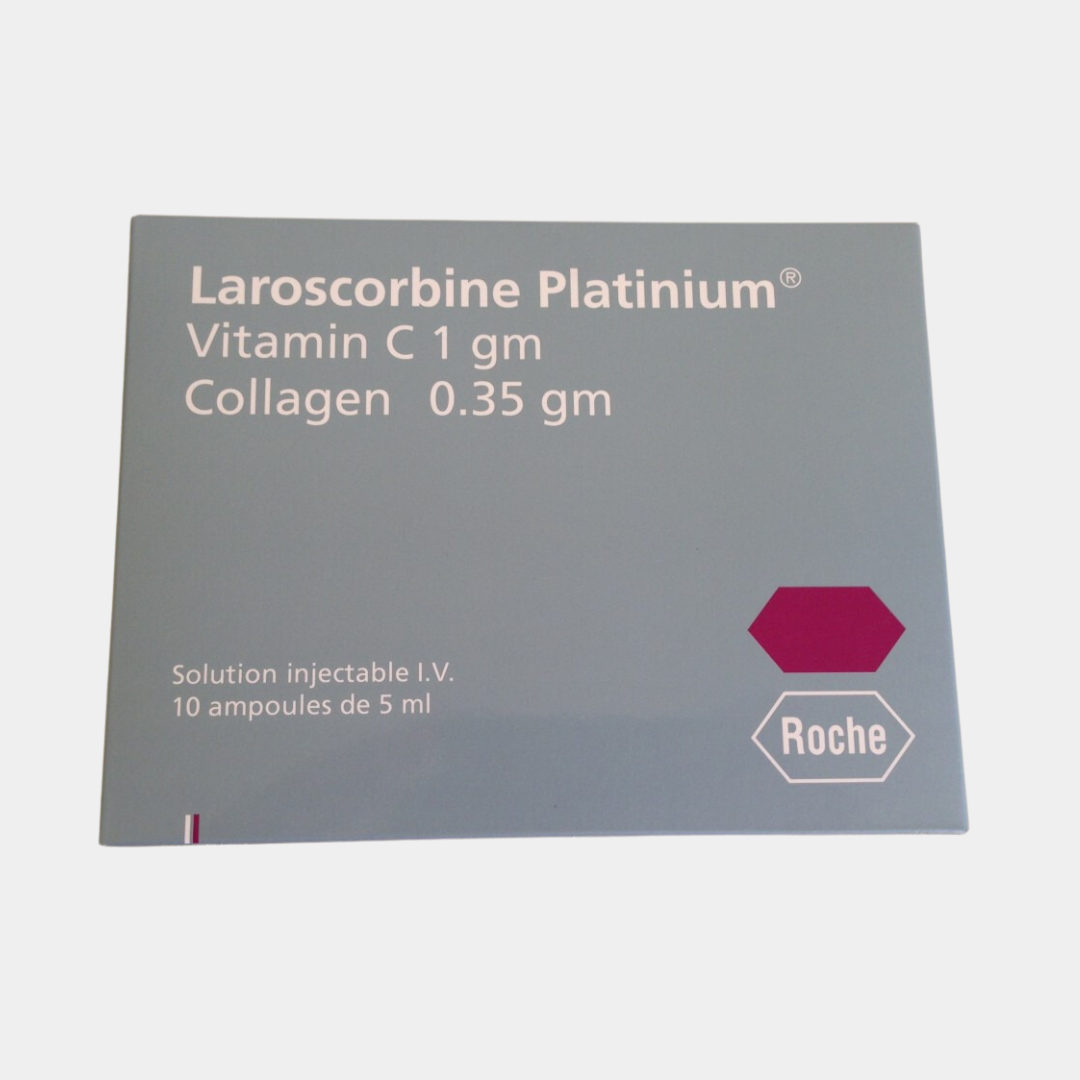
Short answer: Laroscorbine Collagen Platinium by Roche (Vitamin C with Collagen) is our top overall pick — chosen from real, verified customer purchases, not paid placements. Collagen is a structural protein that supports skin elasticity, joint comfort, and hair strength. Hydrolyzed collagen supplements may help support healthy‑looking skin and connective tissue, while marine and bovine sources provide amino acids essential for the body’s natural collagen production.
By The Funmento Team, Health & Beauty Editors · Updated July 2026 · 15 min read

Top picks at a glance
Ranked by real sales- 1Best overallLaroscorbine Collagen Platinium by Roche (Vitamin C with Collagen)$40.00★ 4.5 · Bestseller
- 2Most popularCindyrella Magical Mystical NAD+ Set$192.98
- 3Most popularCindyrella Cocktail Drip with Sublock (6 Sets)$157.89
- 4Most popularTatiomax 2500MG Glutathione With Collagen 400MG Made In Japan$116.36★ 4.6 · Very popular
Ranked by real, verified purchases — not paid placements.
How the top picks compare
Every recommendation side by side — ranked by real customer demand, with price and who each one suits best.
| # | Product | Price | Rating | Popularity | Best for | Shop |
|---|---|---|---|---|---|---|
| 1 | Laroscorbine Collagen Platinium by Roche (Vitamin C with Collagen)Best overall | $40.00 | ★ 4.5 | Bestseller | — | Shop |
| 2 | Cindyrella Magical Mystical NAD+ SetMost popular | $192.98 | — | Very popular | — | Shop |
| 3 | Cindyrella Cocktail Drip with Sublock (6 Sets)Most popular | $157.89 | — | Very popular | — | Shop |
| 4 | Tatiomax 2500MG Glutathione With Collagen 400MG Made In JapanMost popular | $116.36 | ★ 4.6 | Very popular | — | Shop |
Popularity reflects verified customer demand on Funmento. Prices shown in USD; final price and availability confirmed at checkout.
Why these are our top picks
Each pick reviewed — what it is, who it suits — ranked by real customer demand.
 1
1Laroscorbine Collagen Platinium by Roche (Vitamin C with Collagen)
3 units sold across 1 orders — rated 4.5 by verified buyers.
Shop Laroscorbine 2
2Cindyrella Magical Mystical NAD+ Set
1 units sold across 1 orders.
Shop Cindyrella 3
3Cindyrella Cocktail Drip with Sublock (6 Sets)
A customer favourite.
Shop Cindyrella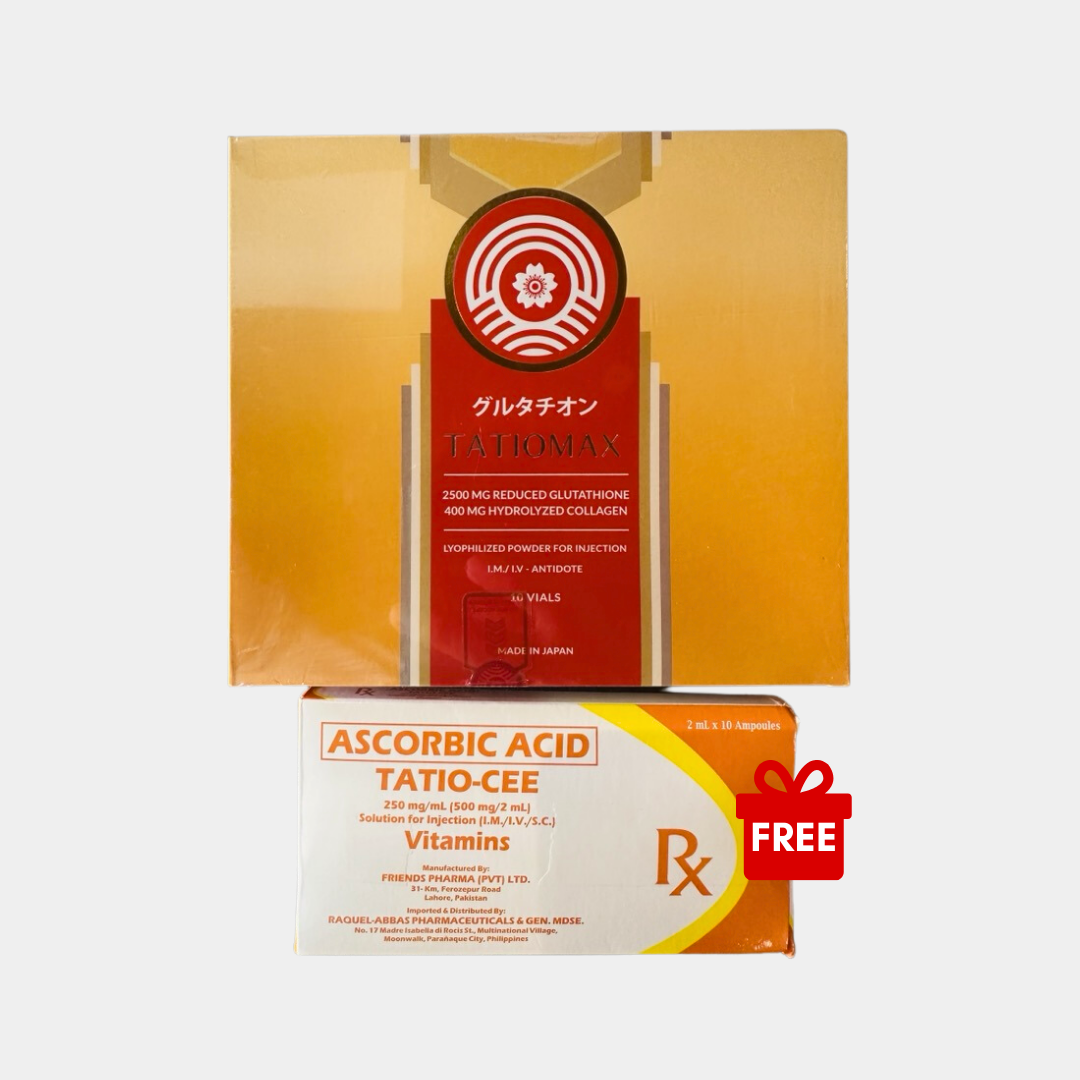 4
4Tatiomax 2500MG Glutathione With Collagen 400MG Made In Japan
A customer favourite — rated 4.6 by verified buyers.
Shop TatiomaxWhich one is right for you?
Skip the research — pick by what matters most to you. Each is a real customer favourite for that need.
How we ranked these products
This guide isn't pay-to-play. Here's exactly how the ranking is decided — and how it stays honest.
Real customer demand
We rank by verified purchases from real customers worldwide — not sponsored placements or ad spend.
Verified-buyer ratings
Star ratings come only from customers who actually bought and received the product.
Ingredients & form
We assess what's in each product and how it's delivered — injectable, oral or a full set.
Authenticity checked
Every product is verified authentic before it's listed — and you can check your own below.
Reviewed monthly
Rankings are re-checked and refreshed every month so this guide stays current.
Reviewed by The Funmento Team · Updated July 2026. We never accept payment for placement — the ranking reflects real customer behaviour, not who paid the most.
Key takeaways
- Collagen is the most abundant protein in the human body.
- It exists in three main types: I, II, and III.
- Hydrolyzed collagen is easier for the body to absorb.
- Common sources include marine (fish) and bovine (cow) collagen.
- Supplementing may support skin elasticity, joint comfort, and hair health.
- Results vary per individual and depend on overall nutrition.
What is Collagen and how does it work?
Collagen is the most abundant protein in the human body, acting like a natural scaffold that gives structure to skin, hair, nails, bones, cartilage, and blood vessels. It is made up of three amino‑acid chains that twist together to form a sturdy triple‑helix, which is why it can bear tension while remaining flexible.
Your body builds collagen in a step‑by‑step process. First, fibroblast cells assemble individual amino‑acid strands. Next, these strands align and form the characteristic triple‑helix. Finally, enzymes called lysyl oxidases create cross‑links that lock the helices together, turning a loose network into a firm, resilient matrix.
Because the matrix is constantly being remodeled, the balance between new collagen formation and natural breakdown determines how “plump” or “smooth” skin appears, how flexible joints feel, and how strong hair and nails grow.
- Type I – the dominant form in skin, tendons, and bone; provides tensile strength.
- Type II – found mainly in cartilage; contributes to joint cushioning.
- Type III – often paired with Type I in skin and blood vessels; supports elasticity.
When you consume collagen‑rich foods or supplements, the protein is broken down into smaller peptides during digestion. Those peptides can be absorbed into the bloodstream and may help support the body’s own collagen‑building pathways, especially when paired with vitamin C, which is a known co‑factor for collagen synthesis.
| Source | Typical Collagen Types | Key Considerations |
|---|---|---|
| Bovine (cow) | I & III | Often used in powdered supplements; may contain trace allergens. |
| Marine (fish) | I | High bioavailability; sustainable sourcing is a factor for some consumers. |
| Porcine (pig) | I & III | Similar to bovine; not suitable for certain dietary restrictions. |
| Plant‑based (e.g., fermented soy) | None (stimulates body’s own collagen) | Good for vegans; works through amino‑acid precursors. |
While external collagen can be part of a daily routine, the body’s own production is also influenced by lifestyle factors. Adequate sleep, balanced nutrition, and protection from excessive sun exposure all play a role in maintaining a healthy collagen matrix.
In summary, collagen is a structural protein that forms a flexible, supportive network throughout the body. Its formation involves fibroblast activity, helix assembly, and enzymatic cross‑linking, while its natural turnover can be gently supported by dietary choices and lifestyle habits. Results vary from person to person, but many find that consistent collagen‑supporting practices contribute to a brighter‑looking complexion and resilient connective tissue.

The key benefits of Collagen for skin and overall health
Collagen is the most abundant protein in the body, forming a fibrous network that gives skin its tensile strength and flexibility. The skin’s outermost layer, the dermis, relies primarily on type I and type III collagen fibers to maintain a smooth, plump appearance. As we age, the natural turnover of these fibers slows, which can lead to a gradual loss of firmness and a subtle increase in fine lines.
- Supports skin firmness and resilience
- Supports elasticity for a more supple feel
- Supports hydration by retaining moisture within the dermal matrix
- Supports the skin barrier, helping it appear smoother and brighter‑looking
- Supports a healthy‑looking complexion when combined with a balanced diet
Collagen can be sourced from several animal proteins. Bovine collagen typically contains a higher proportion of type I, making it popular for skin and bone support. Marine collagen, harvested from fish skin or scales, is rich in type I and is often favored for its perceived bioavailability. Poultry collagen provides a blend of type I and type II, which some users incorporate for joint comfort alongside skin benefits.
Collagen’s role beyond the skin
Beyond the surface, collagen contributes to the structural integrity of connective tissues throughout the body. In joints, it may help support cartilage resilience, while in hair and nails it provides the protein scaffold needed for growth. The gut lining also contains collagen, and adequate intake may help maintain a healthy‑looking digestive lining.
| Collagen Type | Primary Source | Typical Use |
|---|---|---|
| Type I | Bovine or marine | Skin firmness, hair, nails |
| Type II | Poultry cartilage | Joint comfort, cartilage support |
| Type III | Bovine skin | Skin elasticity, vascular health |
| Type V | Bovine placenta (rare) | Cellular matrix support |
Lifestyle factors can influence how well your body maintains its own collagen. Adequate protein intake supplies the amino acids needed for new collagen synthesis, while vitamin C acts as a co‑factor in the enzymatic process. Conversely, smoking, excessive alcohol, and chronic UV exposure can accelerate collagen breakdown, making it harder to preserve a youthful, bright‑looking complexion.
- Consume a variety of protein‑rich foods (lean meats, legumes, dairy)
- Include vitamin C‑rich fruits and vegetables to aid synthesis
- Limit exposure to tobacco smoke and excessive alcohol
- Use sunscreen daily to protect collagen from UV‑induced degradation
- Stay hydrated and manage stress, which may help support overall collagen health
Incorporating collagen—whether through dietary sources, supplements, or topical formulations—can be a practical way to help support the structural foundation of skin and other connective tissues. As with any nutritional approach, individual response varies, so monitor how your skin and overall appearance evolve and adjust intake accordingly.

Collagen: oral vs injectable forms compared
Collagen is the most abundant protein in the body, forming the scaffold for skin, hair, nails, joints and connective tissue. In recent years, both oral and injectable collagen have entered beauty and wellness routines across the United States, Philippines, United Kingdom, South Africa, France, India, Saudi Arabia, UAE, Australia and Sri Lanka. Understanding how each delivery method works helps consumers choose the option that aligns with their lifestyle, skin goals and local availability.
Oral Collagen: What to Expect
Oral collagen typically comes as hydrolyzed peptides derived from bovine, marine or poultry sources. The hydrolysis process breaks the protein into smaller chains that can be absorbed through the gut and delivered to skin cells. Many users incorporate it into smoothies, coffee or capsules once or twice daily. Because the peptide fragments travel through the bloodstream, the support they provide is gradual, often becoming noticeable after several weeks of consistent use.
Injectable Collagen: How It Works
Injectable collagen is supplied as a sterile gel that a qualified healthcare professional administers directly into the dermis or sub‑dermal layers. The product may be derived from human‑derived recombinant technology or animal sources, and it fills fine lines while encouraging the body’s own collagen‑producing cells. Results can appear within days because the material is placed where it is needed, but the effect is localized and may need periodic touch‑ups to maintain a youthful‑looking appearance.
Key Factors to Consider
- Convenience – oral supplements are self‑administered; injectables require a clinic visit.
- Onset – injectables may show visible change faster, while oral forms act more slowly.
- Cost – single injectable sessions can be higher upfront, whereas oral products involve recurring purchases.
- Duration – oral collagen supports skin health over months; injectable results may last several months per treatment.
- Safety – both are generally well‑tolerated, but injectables should only be performed by qualified professionals.
Oral vs Injectable: Quick Comparison
| Aspect | Oral Collagen | Injectable Collagen |
|---|---|---|
| Source | Hydrolyzed peptides from bovine, marine or poultry | Sterile gel (recombinant or animal‑derived) |
| Administration | Self‑taken as powder, capsule or beverage | For administration by qualified healthcare professionals only |
| Onset of visible effect | Typically 4–8 weeks of consistent use | Visible change within days to a few weeks |
| Typical usage frequency | 1–2 times per day | Every 3–6 months, depending on product and area treated |
| Regulatory note | Considered a dietary supplement in most markets | Classified as a medical device or cosmetic procedure |
Choosing between oral and injectable collagen ultimately depends on personal priorities. Those who value a hands‑free routine and long‑term skin nourishment may lean toward daily oral peptides, while individuals seeking a quicker, targeted lift might prefer clinic‑based injections. Regardless of the path you select, remember that results vary from person to person, and consistent use—whether by mouth or needle—offers the best chance to support a healthy‑looking complexion.

How much Collagen should you take, and how often?
Collagen supplements come in several formats—hydrolyzed powder, tablets, gummies, and specialty drinks. The amount you choose depends on the type of product, your lifestyle, and the goals you have for skin, hair, nails, or joint comfort. Because collagen is a protein, it is generally safe for most adults when taken within the typical ranges that manufacturers recommend.
A practical starting point is to look at the dosage range most commonly cited across reputable brands: 2.5 g to 15 g of hydrolyzed collagen per day. Lower doses (2.5–5 g) are often used in beauty‑focused formulas, while higher doses (10–15 g) are typical for joint‑support blends. The exact amount that feels right for you may vary based on body weight, activity level, and personal preference.
- Weight‑based guidance: roughly 0.04 g of collagen per kilogram of body weight is a useful rule of thumb for people who want a more personalized amount.
- Activity level: athletes or highly active individuals often gravitate toward the upper end of the range to match the protein turnover of their muscles and connective tissue.
- Formulation: marine‑derived collagen is usually taken at slightly lower doses (2.5–7.5 g) because it is highly bioavailable, whereas bovine collagen powders often recommend 10–15 g.
- Consistency: daily intake, even at modest levels, tends to provide the most noticeable support for healthy‑looking skin and resilient joints.
| Product Type | Typical Daily Dose | Best Time to Take |
|---|---|---|
| Hydrolyzed Powder (Bovine) | 10–15 g | Mixed into a beverage, morning or night |
| Hydrolyzed Powder (Marine) | 2.5–7.5 g | Stirred into smoothies or tea |
| Collagen Capsules/Tablets | 2.5–5 g (≈5‑10 tablets) | With a meal |
| Collagen Gummies | 2.5–5 g (≈2‑4 gummies) | Any time of day |
If you are pregnant, nursing, or have a specific health condition, it’s wise to talk with a qualified healthcare professional before adding collagen to your routine. For injectable collagen, administration should be performed by qualified healthcare professionals only.
Remember that results vary from person to person. The most reliable way to gauge effectiveness is to track changes in skin texture, hair shine, nail strength, or joint comfort over a period of 8–12 weeks while maintaining the same dosage.
Across the United States, United Kingdom, Australia, and other markets, the regulatory environment supports collagen as a food supplement rather than a drug, so the same dosage guidelines apply globally. Local labeling may reflect regional measurement units (grams vs. ounces) but the underlying range remains consistent.

How long does Collagen take to show results?
Collagen‑based ingredients appear in many beauty and wellness routines, but the speed at which you notice a difference depends on the delivery method, the source of the collagen, and personal habits such as diet, sleep, and sun exposure.
When taken as a hydrolyzed powder or capsule, most people start to sense a subtle improvement in skin firmness or joint comfort after 4–6 weeks of consistent use. The peptide fragments are absorbed in the small intestine and then distributed to connective tissues, where they may help support the body’s own collagen‑building processes.
Topical formulations—creams, serums, or masks that contain collagen or collagen‑boosting peptides—tend to act more quickly on the surface. Users often report a smoother feel or a brighter‑looking complexion within 1–3 weeks, although the deeper structural benefits usually require longer, regular application.
Lifestyle factors can accelerate or slow the timeline. Adequate protein intake, hydration, and protection from UV radiation create a supportive environment for collagen to do its work, while smoking, excessive alcohol, or chronic stress may delay visible changes.
Because each body responds uniquely, it’s important to set realistic expectations. Results vary from person to person, and the most reliable way to gauge progress is to track how your skin, hair, nails, or joint comfort feels over a series of weeks rather than looking for an overnight transformation.
- Oral hydrolyzed collagen: noticeable skin elasticity boost in 4–6 weeks; joint comfort may appear after 8–12 weeks.
- Topical collagen‑rich creams: smoother surface texture within 1–3 weeks; firmer appearance after 6–8 weeks.
- Collagen‑infused drinks (for administration by qualified healthcare professionals only): early hydration benefits in 2–4 weeks; longer‑term structural support beyond 8 weeks.
| Form | Typical onset of visible change | Key influencing factors |
|---|---|---|
| Hydrolyzed powder or capsules | 4–6 weeks for skin, 8–12 weeks for joints | Daily dosage consistency, protein intake |
| Topical serums & creams | 1–3 weeks for surface smoothness, 6–8 weeks for firmness | Application frequency, sun protection |
| Collagen‑infused beverages (professional use) | 2–4 weeks for hydration feel, 8+ weeks for structural support | Professional guidance, overall health |

Collagen side effects and safety: what to know
Collagen is a protein that people add to their daily routines in many forms—powders, capsules, creams, and injectable preparations. While most users experience no issues, it is important to understand the range of reactions that can appear, especially when the product is new to the body or when it is combined with other supplements. Safety information helps you decide what fits your lifestyle.
Oral collagen supplements
Powders and capsules are the most common way to include collagen in a diet. Because they are digested like any other protein, the most frequent mild responses are related to the gastrointestinal tract. These reactions are generally short‑lived and resolve on their own.
- Mild bloating or gas, especially when first introduced
- A temporary change in stool texture
- Occasional mild nausea that often eases after a few days
Topical collagen products
Creams, serums, and masks that contain hydrolyzed collagen are marketed for skin‑care routines. Because the protein is applied to the surface, systemic side effects are rare. Most concerns involve the skin’s immediate reaction to the formulation.
- Transient tingling or warmth as the product absorbs
- Mild redness that fades within an hour
- Rare allergic response if the product contains added fragrances or preservatives
Injectable collagen
Injectable collagen is administered by qualified healthcare professionals and is typically used for aesthetic contouring. Because it bypasses the digestive system, the safety profile differs from oral or topical options.
- Temporary bruising or swelling at the injection site
- Mild tenderness that usually resolves within a few days
- Rare infection if proper aseptic technique is not followed
Quick safety snapshot
| Form | Typical mild side effects | Rare concerns | Key safety tip |
|---|---|---|---|
| Oral powder/capsule | Bloating, mild nausea | Allergic reaction to source protein | Start with half‑dose and increase gradually |
| Topical cream/serum | Tingling, temporary redness | Allergic reaction to additives | Patch test 24 h before full use |
| Injectable (professional only) | Bruising, swelling, tenderness | Infection if aseptic technique fails | Choose a licensed practitioner and follow after‑care |
Overall, collagen products are well tolerated by most people across the United States, Philippines, United Kingdom, South Africa, France, India, Saudi Arabia, UAE, Australia, and Sri Lanka. Individual responses vary, so listening to your body and adjusting usage accordingly is the best way to enjoy the potential skin‑supporting and joint‑supporting benefits while keeping side effects to a minimum.
| Common source | Bovine, marine, or poultry hydrolyzed collagen |
| Typical daily intake | 5–15 g for oral supplements, as directed on the label |
| Result variability | Results vary from person to person; consistency of use often influences outcomes |

Can you take Collagen with vitamin C?
Vitamin C is a key co‑factor in the enzymatic process that converts procollagen into mature collagen fibers. When you add vitamin C to a collagen‑focused routine, you may help support the body’s natural ability to maintain healthy‑looking skin, hair, and joints. The antioxidant properties of vitamin C also protect collagen from oxidative stress, which can contribute to a brighter‑looking complexion over time.
Common ways to pair collagen and vitamin C
Both nutrients are available in oral supplements, powders, and topical formulas. Choosing a format that fits your daily routine can make it easier to enjoy the synergistic benefits without having to remember extra steps.
- Hydrolyzed collagen powder mixed with a vitamin C‑rich juice or water.
- Collagen capsules taken together with a vitamin C tablet or a citrus‑based chewable.
- Topical serums that combine marine or bovine collagen peptides with stabilized vitamin C (ascorbic acid).
| Form | Typical daily intake | How vitamin C is delivered | Key benefit |
|---|---|---|---|
| Powder + liquid | 10‑15 g collagen + 500 mg vitamin C | Mixed into a beverage | Supports skin’s elasticity and antioxidant defense |
| Capsule + tablet | 2‑3 g collagen + 250‑500 mg vitamin C | Separate pills taken together | Convenient for on‑the‑go routines |
| Topical serum | N/A collagen peptides | Stabilized vitamin C in the same bottle | May help support a brighter‑looking surface layer |
If you prefer food‑based sources, pairing collagen‑rich broths or bone‑derived snacks with vitamin C‑packed fruits such as kiwi, orange, or guava can also be a tasty way to support your routine. The natural combination respects cultural preferences across the United States, Philippines, United Kingdom, South Africa, France, India, Saudi Arabia, UAE, Australia, and Sri Lanka.
Safety considerations are straightforward: collagen supplements are generally well tolerated, and vitamin C is a water‑soluble nutrient. However, individuals with specific sensitivities or who are pregnant should consult a qualified healthcare professional before adding new supplements. Remember, results vary from person to person, and consistency is often the best ally for visible benefits.

How to choose a genuine Collagen product
When collagen appears on a supplement label, the first question is whether the source and processing meet the expectations of quality and transparency. In markets ranging from the United States to the Philippines, consumers look for clear information about origin, type, and any third‑party verification that backs the product’s claims.
A genuine collagen product will list the specific collagen type—most commonly Type I, II, or III—alongside the animal source (bovine, marine, chicken, or porcine). Knowing the type helps you match the product to your personal goals, such as supporting skin elasticity, joint comfort, or overall connective‑tissue health.
Key Factors to Evaluate
- Source transparency: the label should state the animal origin and whether the raw material is grass‑fed, wild‑caught, or certified free of hormones.
- Collagen type: Type I is abundant in skin and hair, Type II is linked to joint structures, and Type III often appears in combination with Type I for skin support.
- Processing method: hydrolyzed (peptides) versus undenatured; hydrolysis makes the protein easier for the body to absorb.
- Third‑party testing: look for an independent lab report confirming peptide profile, heavy‑metal limits, and microbial safety.
- Packaging integrity: sealed, opaque containers protect peptides from moisture and light, preserving potency.
For shoppers in the United Kingdom and France, a “EU‑organic” seal can add an extra layer of confidence, indicating that the raw material met strict farming standards. In South Africa and Australia, local regulatory bodies often require batch‑specific certificates of analysis, which manufacturers may provide on request.
In the United Arab Emirates, Saudi Arabia, and India, many consumers prefer products that carry a “GMP‑certified” badge, signaling that the manufacturing facility follows Good Manufacturing Practices. While the badge does not designed a specific outcome, it does suggest that the producer follows recognized quality‑control procedures.
A quick comparison of the three most common collagen types can help you decide which aligns with your routine. The table below highlights typical sources, primary benefits, and common flavor profiles.
| Collagen Type | Typical Source | Primary Benefit | Usual Flavor/Texture |
|---|---|---|---|
| Type I | Bovine or marine | Supports skin, hair, and nails | Mild, neutral or subtle marine taste |
| Type II | Chicken cartilage | May help support joint comfort | Mild, slightly savory; often flavored |
| Type III | Bovine (often combined with Type I) | Works with skin elasticity and connective‑tissue health | Neutral, blends well with fruit flavors |
When you compare products side‑by‑side, consider the price per gram of peptide rather than the total bottle cost. A higher price does not always equal higher purity, but a transparent peptide count per serving is a good indicator of value.
Finally, remember that results vary from person to person. Choosing a product with clear sourcing, a known collagen type, third‑party testing, and proper packaging gives you the best foundation for a supplement that may help support healthy‑looking skin and connective‑tissue function.

Collagen price and value: what to expect
When you shop for collagen, the price tag is often the first thing you notice, but true value goes beyond the number on the label. Costs reflect the source of the protein, the processing method, and any added ingredients that aim to support skin‑looking and joint‑comfort benefits. Understanding these layers helps you choose a product that aligns with your routine and budget.
- Source of collagen (bovine, marine, poultry)
- Hydrolyzed vs. native peptide size
- Presence of complementary nutrients (vitamin C, hyaluronic acid)
- Packaging integrity and shelf‑life
- Third‑party testing for purity
In practice, price ranges differ noticeably across regions. In the United States and United Kingdom, a 30‑gram container of premium hydrolyzed collagen typically falls between $20 USD and $35 USD. In the Philippines, India, and Sri Lanka, similar products are often priced from $12 USD to $22 USD, reflecting local manufacturing and import duties. South Africa, Australia, and the United Arab Emirates see mid‑range pricing of $18 USD to $28 USD, while France and Saudi Arabia may sit slightly higher due to market positioning.
| Market | Typical Price (USD) for 30 g |
|---|---|
| United States | $20 – $35 |
| United Kingdom | $22 – $36 |
| Philippines | $12 – $22 |
| South Africa | $18 – $28 |
| France | $24 – $38 |
| India | $13 – $23 |
| Saudi Arabia | $25 – $40 |
| UAE | $20 – $30 |
| Australia | $19 – $29 |
| Sri Lanka | $12 – $22 |
If you prefer a subscription model, many retailers offer a modest discount—usually 5 % to 15 %—when you commit to regular deliveries. This can smooth out the cost per month while ensuring you never run out of your chosen collagen, which is helpful for maintaining a consistent routine.
Remember that results vary from person to person, and the best value is the one that fits your lifestyle, supports your wellness goals, and respects your budget. By weighing source, formulation, and third‑party verification, you can make a confident choice that aligns with both price expectations and the support you seek.

How to make sure your product is real
Counterfeits exist in this category. Here's how to protect yourself, and how we guarantee what you buy.
How to spot a genuine product
- Check the safety seals and packaging are intact and factory-sealed — never accept a broken or resealed box.
- Look for a batch or serial code on the box, and make sure it matches the code on the vial or sachet.
- Buy only from authorised sellers — not random social-media resellers or unverified marketplaces.
- Be wary of prices far below the market: a huge discount often means a fake or a refill.
Our authenticity guarantee
100% authentic
Every item is genuine, sourced through authorised channels — never imitations or refills.
Sealed & verified
Products arrive factory-sealed, with intact safety seals and batch codes you can check.
Quality reviewed
Each listing is checked against our standards before it goes on sale.
Genuine or money back
If a product isn't authentic, we'll make it right — full refund, no hassle.
Frequently asked questions (8)
Is Collagen safe?
How long until I see results from Collagen?
Should I take Collagen orally or by injection?
Can I take Collagen with vitamin C?
How much Collagen should I take?
Who should avoid Collagen?
Does Collagen really work for skin?
How do I know if my Collagen is authentic?
Kept fresh, not forgotten
This is an evergreen guide. Instead of posting a new dated article every month, we keep this page and refresh it as the market changes — so the link you bookmark always has the current answer.
What we re-check every update
- Rankings — re-scored against the latest real customer demand.
- Prices — refreshed so every figure matches checkout.
- Ratings — pulled live from verified buyers.
- Products — new arrivals added, discontinued items removed.
- Safety & regulatory info — reviewed against current advisories.
Keep exploring
Jump straight to a product, browse a category, or read a related guide.
This guide is general information, not medical advice. Results vary from person to person. Follow each product's label, and have injectable products administered by a licensed professional.