Ingredient
Placenta Extract Benefits
How placenta extracts are used in beauty and wellness routines.
Short answer: Lucchini Human Placenta 10 ampoules is our top overall pick — chosen from real, verified customer purchases, not paid placements. Placenta extracts are commonly used in beauty routines for their potential antioxidant and moisturizing properties, which may help support a healthy-looking complexion and improve skin elasticity. Sourced from ethically‑managed animal placentas, the ingredient is incorporated into serums, creams, and masks for topical application.
By The Funmento Team, Health & Beauty Editors · Updated July 2026 · 15 min read
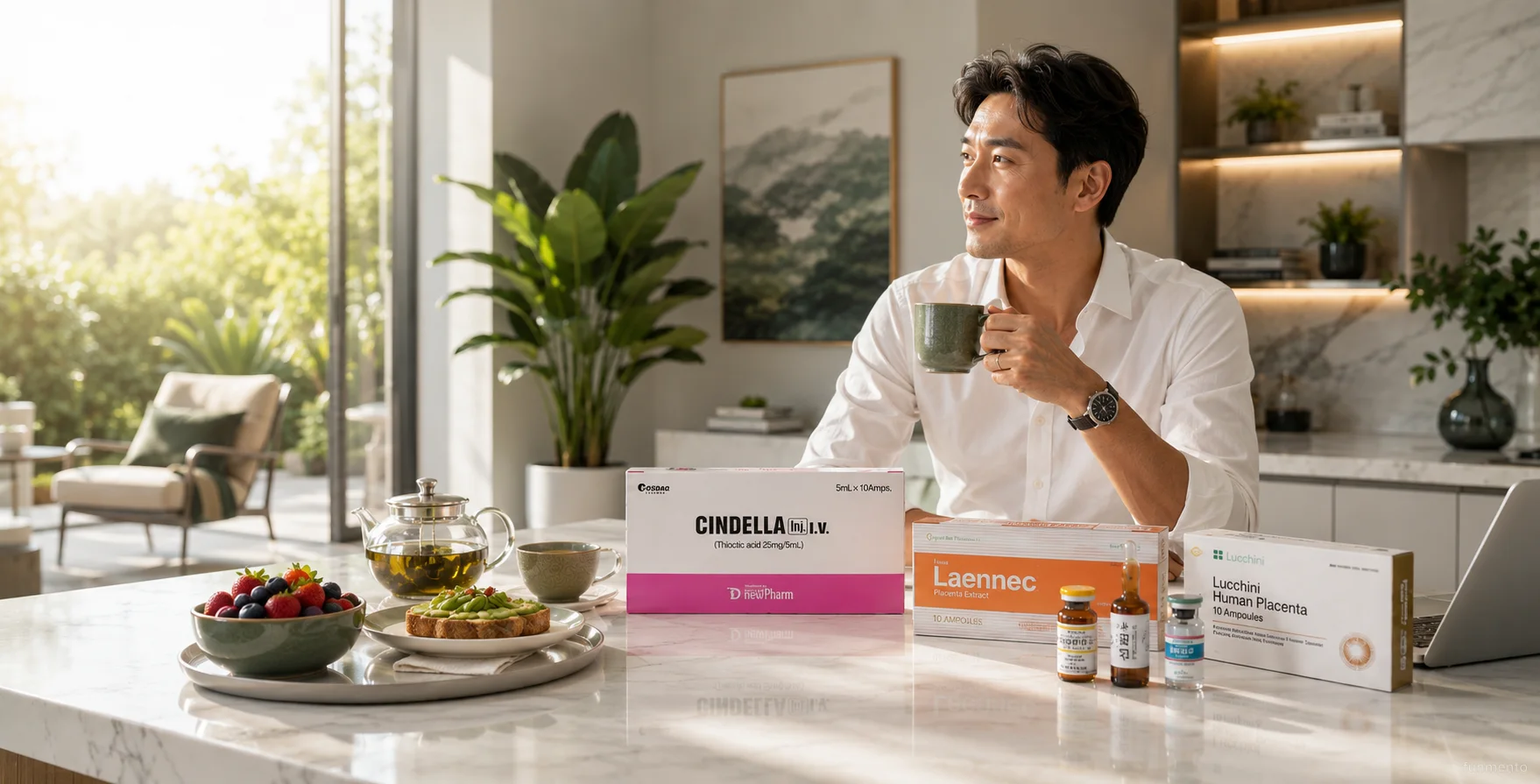
Top picks at a glance
Ranked by real sales- 1Best overallLucchini Human Placenta 10 ampoules$36.36★ 4.3 · Bestseller
- 2Most popularLaennec Placenta 10 Ampoules (2ml)$76.36★ 4.1 · Very popular
- 3Most popularCindyrella Cocktail Drip with Sublock (6 Sets)$157.89
Ranked by real, verified purchases — not paid placements.
How the top picks compare
Every recommendation side by side — ranked by real customer demand, with price and who each one suits best.
| # | Product | Price | Rating | Popularity | Best for | Shop |
|---|---|---|---|---|---|---|
| 1 | Lucchini Human Placenta 10 ampoulesBest overall | $36.36 | ★ 4.3 | Bestseller | — | Shop |
| 2 | Laennec Placenta 10 Ampoules (2ml)Most popular | $76.36 | ★ 4.1 | Very popular | — | Shop |
| 3 | Cindyrella Cocktail Drip with Sublock (6 Sets)Most popular | $157.89 | — | Very popular | — | Shop |
Popularity reflects verified customer demand on Funmento. Prices shown in USD; final price and availability confirmed at checkout.
Why these are our top picks
Each pick reviewed — what it is, who it suits — ranked by real customer demand.
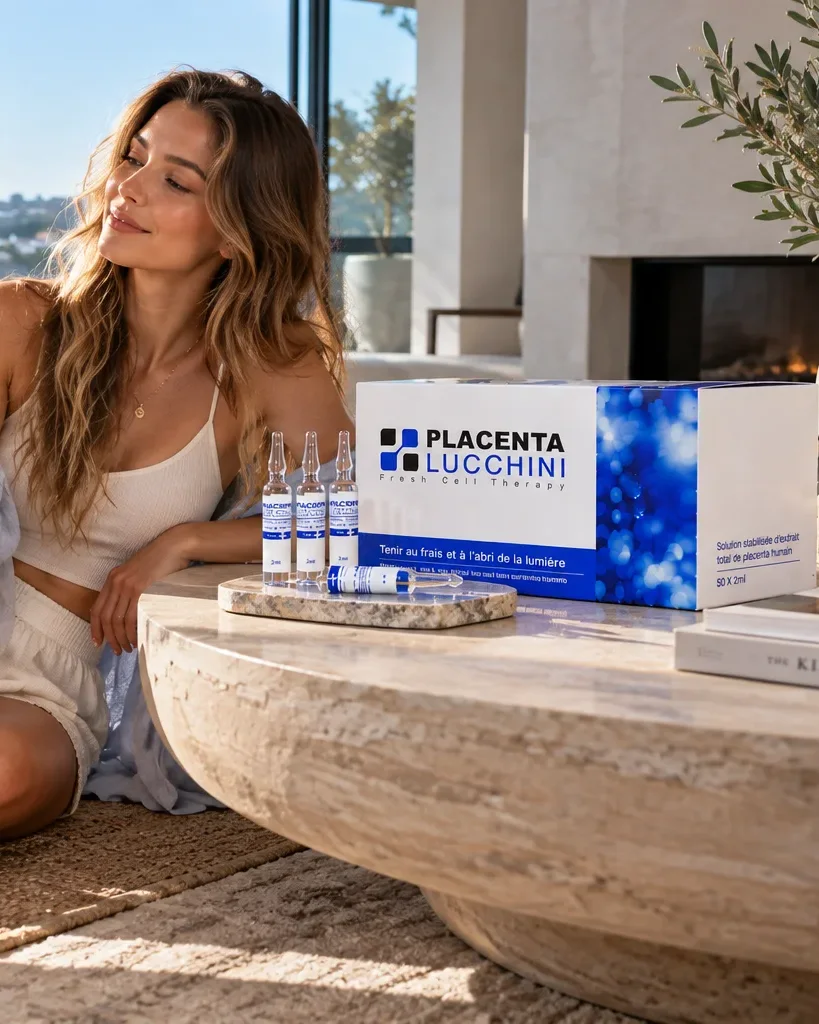 1
1Lucchini Human Placenta 10 ampoules
5 units sold across 1 orders — rated 4.3 by verified buyers.
Shop Lucchini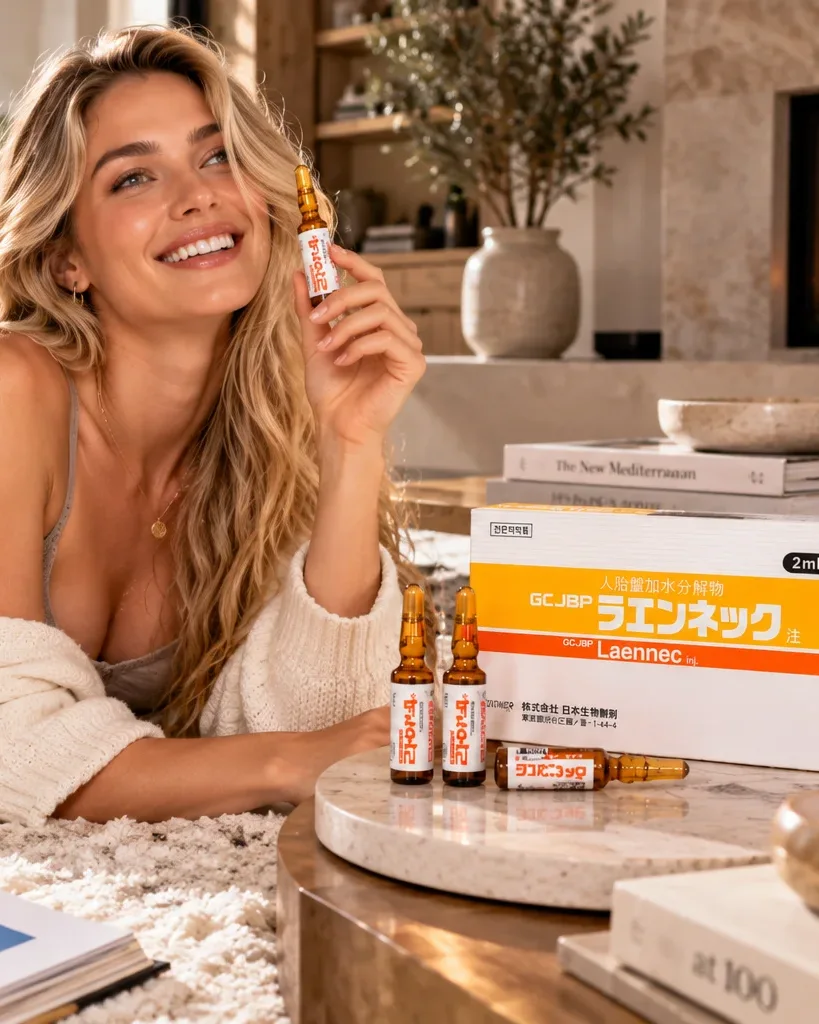 2
2Laennec Placenta 10 Ampoules (2ml)
1 units sold across 1 orders — rated 4.1 by verified buyers.
Shop Laennec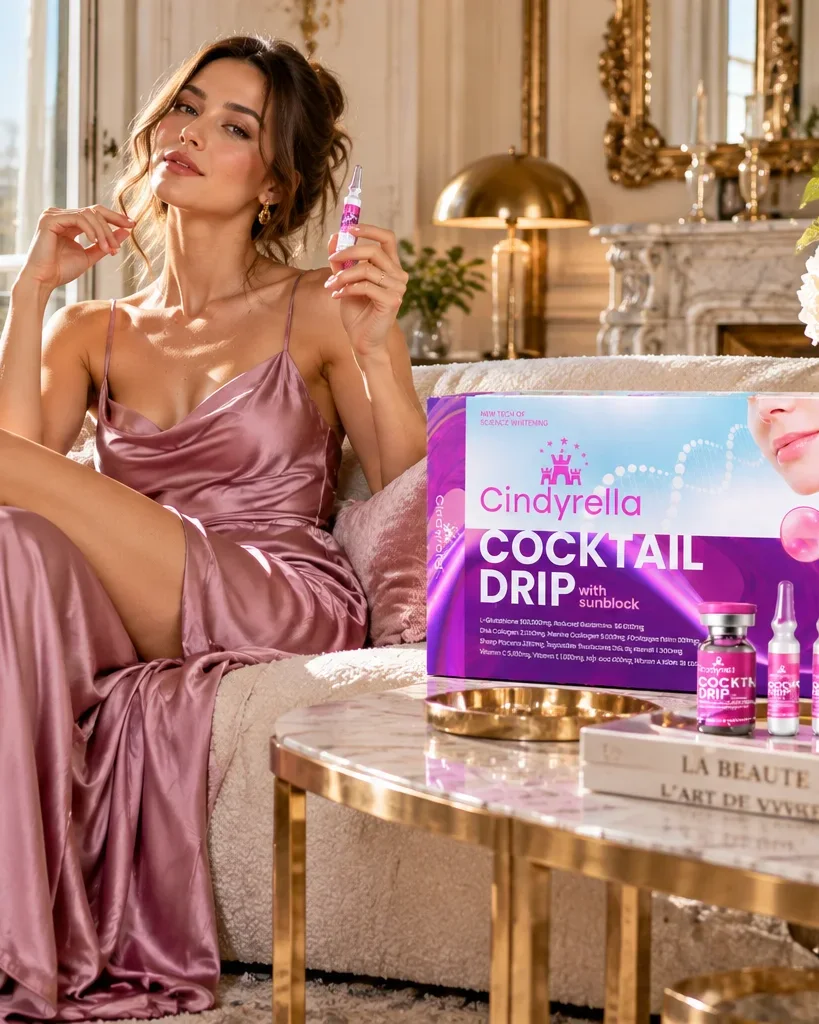 3
3Cindyrella Cocktail Drip with Sublock (6 Sets)
A customer favourite.
Shop CindyrellaWhich one is right for you?
Skip the research — pick by what matters most to you. Each is a real customer favourite for that need.
How we ranked these products
This guide isn't pay-to-play. Here's exactly how the ranking is decided — and how it stays honest.
Real customer demand
We rank by verified purchases from real customers worldwide — not sponsored placements or ad spend.
Verified-buyer ratings
Star ratings come only from customers who actually bought and received the product.
Ingredients & form
We assess what's in each product and how it's delivered — injectable, oral or a full set.
Authenticity checked
Every product is verified authentic before it's listed — and you can check your own below.
Reviewed monthly
Rankings are re-checked and refreshed every month so this guide stays current.
Reviewed by The Funmento Team · Updated July 2026. We never accept payment for placement — the ranking reflects real customer behaviour, not who paid the most.
Key takeaways
- Placenta is harvested from animal sources under controlled, ethical conditions.
- It contains proteins, peptides, and antioxidants that may support skin health.
- Used in serums, creams, and masks for external application.
- May help support skin hydration and elasticity.
- Regulated as a cosmetic ingredient, not a drug.
- Injectable forms are for administration by qualified healthcare professionals only.
- Results vary from person to person.
What is Placenta and how does it work?
Placenta, the organ that nourishes a developing baby, has attracted attention far beyond the delivery room. In skincare and wellness circles it is prized for its rich blend of proteins, peptides, and micronutrients that may help support a youthful‑looking complexion and overall vitality. Because the source material is naturally occurring, many brands position placenta‑derived ingredients as a bridge between traditional wisdom and modern formulation science.
What placenta contains and why it matters
A fresh placenta is composed of collagen‑type proteins, growth‑factor‑like peptides, essential amino acids, vitamins (especially B‑complex), minerals such as zinc and iron, and a modest amount of hormones. These building blocks are thought to provide antioxidant support and may help maintain skin barrier integrity, which can contribute to a smoother, brighter‑looking surface.
When incorporated into topical or oral formats, placenta extracts are often marketed as a way to boost the skin’s natural renewal processes. The peptides can signal cells to produce more collagen, while the antioxidant compounds help neutralise free‑radical stress that can dull the complexion. Results vary from person to person, and the effect is most noticeable when the product is used consistently as part of a broader routine.
Key components that give placenta its reputation
- Collagen‑rich proteins that support structural firmness
- Peptide clusters that may encourage cellular turnover
- Vitamin B12 and folate for metabolic support
- Minerals like zinc that contribute to skin barrier health
Manufacturers typically process placenta through gentle extraction, followed by sterilisation to ensure safety. The final ingredient can appear in creams, serums, oral capsules, or, in some markets, injectable forms that are reserved for administration by qualified healthcare professionals only. Topical applications are the most common entry point for consumers seeking a gentle, everyday boost.
| Form | Typical Use | Key Note |
|---|---|---|
| Cream / Lotion | Applied to face or body daily | Often combined with hyaluronic acid for hydration |
| Serum | A few drops morning and night | Higher concentration of placenta peptides |
| Oral Capsule | One to two capsules per day | Supports skin from the inside out |
| Injectable | Administered by a professional | For qualified patients only; not a cosmetic over‑the‑counter product |
Across the United States, United Kingdom, Australia, and many Asian and Middle‑Eastern markets—including the Philippines, India, Saudi Arabia, UAE, South Africa, France, and Sri Lanka—placenta extracts appear in both luxury and mainstream lines. Cultural acceptance varies, but the common thread is a desire for ingredients that support a healthy‑looking complexion without invasive procedures.
Ultimately, placenta‑derived ingredients are a niche option that may help support skin resilience and radiance when paired with a balanced diet and sun protection. As with any supplement or topical aid, individual results differ, so it’s wise to start slowly and observe how your skin responds.

The key benefits of Placenta for skin and overall health
Placenta extracts have been part of traditional beauty rituals for centuries, prized for their rich mix of proteins, peptides, and growth‑factor‑like molecules. Modern formulations keep that heritage alive while applying contemporary processing methods that preserve bioactive components. For many consumers, placenta‑based products represent a bridge between time‑tested ingredients and today’s demand for ingredients that may help support a youthful appearance and overall vitality.
When applied to the skin, placenta can contribute to a healthier‑looking complexion. The natural amino‑acid profile supports collagen synthesis, which may aid in maintaining firmness and elasticity. Additionally, the presence of hyaluronic‑like substances helps retain moisture, giving the skin a plumper, smoother feel. Users often notice a brighter‑looking tone after consistent use, as the extract’s antioxidant capacity helps protect cells from everyday environmental stressors.
Beyond the surface, placenta may offer broader wellness benefits. Its peptide content is thought to assist the body’s own repair processes, which can translate into faster recovery after physical activity. Hormone‑like components can help balance the body’s internal environment, supporting energy levels and a sense of well‑being. Antioxidant support from the extract also contributes to protecting cells from oxidative wear, a factor linked to overall vitality.
Safety and sourcing matter as much as the potential benefits. Reputable manufacturers obtain placenta from ethically managed farms, then employ gentle purification steps to retain bioactivity while removing contaminants. Products intended for topical or oral use are formulated for administration by qualified healthcare professionals only when they involve injectable forms. As with any supplement, results vary from person to person, and it’s wise to start with a small amount to gauge tolerance.
If you’re considering adding placenta to your routine, keep these practical tips in mind: choose a product that lists its source and processing method clearly, store it according to the label to preserve potency, and pair it with a balanced skincare regimen that includes sunscreen and moisturizers. For oral or injectable formats, consult a qualified practitioner to ensure the choice aligns with your personal health goals.
- Supports collagen production for firmer skin
- Helps retain moisture, promoting a plump appearance
- Provides antioxidant support against daily stressors
- May aid in post‑exercise recovery and energy levels
- Contributes to hormonal balance for overall well‑being
- Often used in beauty routines for brighter‑looking tones
| Delivery Method | Typical Use | Key Considerations |
|---|---|---|
| Topical cream/serum | Apply to clean skin 1‑2 times daily | Check for fragrance sensitivity; store in cool place |
| Oral capsule | Take with water once daily | Consult a healthcare professional if pregnant or nursing |
| Injectable (professional only) | Administer by qualified practitioner | Requires medical oversight; results vary |

Placenta: oral vs injectable forms compared
Placenta extracts have been incorporated into beauty and wellness routines across the United States, Philippines, United Kingdom, South Africa, France, India, Saudi Arabia, United Arab Emirates, Australia, and Sri Lanka. Both oral capsules and injectable preparations draw from the same source material, yet the way the bio‑active components are delivered creates distinct experiences for the user.
When the placenta is processed for oral use, the tissue is typically hydrolyzed, filtered, and dried into a powder that is then encapsulated or blended into a beverage. This method preserves a broad spectrum of proteins, peptides, and micronutrients while keeping the product stable at room temperature. Injectable forms, on the other hand, involve a sterile filtration and dilution step that creates a clear solution ready for sub‑cutaneous or intramuscular administration by a qualified healthcare professional.
- Oral capsules: convenient, self‑administered, suitable for travel, and often marketed as a daily supplement.
- Injectable solution: administered in a clinic, provides a higher concentration per dose, and is commonly used in targeted skin‑care protocols.
| Aspect | Oral Capsules | Injectable Solution |
|---|---|---|
| Typical Use | Taken with water once or twice daily | Administered by a qualified professional in a clinic setting |
| Absorption Speed | Gradual release through the digestive tract | Rapid entry into the bloodstream |
| Convenience | Portable, no needles required | Requires appointment and professional oversight |
| Typical Dose Range | Standardized per capsule (e.g., 500 mg) | Standardized per vial (e.g., 1 mL) – for administration by qualified healthcare professionals only |
| Common Benefits Mentioned | May help support skin elasticity and overall vitality | Often cited for brighter‑looking complexion and targeted antioxidant support |
Safety considerations differ as well. Oral products are subject to dietary‑supplement regulations in the United States, Australia, and the United Kingdom, while injectable forms fall under medical‑device or pharmaceutical oversight in Saudi Arabia, the UAE, and India. In all markets, reputable manufacturers will provide a Certificate of Analysis and comply with local Good Manufacturing Practices.
Choosing between oral and injectable formats often comes down to personal lifestyle and desired speed of results. Travelers in the Philippines or Sri Lanka may appreciate the low‑maintenance nature of capsules, while clients in France or South Africa who attend regular aesthetic appointments might prefer the focused impact of a clinic‑based injection.
Regardless of the format, results vary from person to person, and the most sustainable approach is to pair placenta supplementation with a balanced diet, adequate hydration, and a skin‑care routine that includes sunscreen and moisturiser.

How much Placenta should you take, and how often?
Placenta‑derived ingredients are offered in capsules, powders, topical serums, and injectable forms. Because the concentration of active proteins and peptides can differ between products, the amount you use – and how often you apply or ingest it – should be matched to the specific format you choose. The safest approach is to start with the manufacturer’s suggested serving size and adjust only after observing how your skin or body responds.
Several variables shape the appropriate frequency for each individual. In the United States and the United Kingdom, product labels often recommend daily use for oral capsules or powders, while many European and Asian brands suggest 2‑3 times per week for topical serums. Age, skin type, personal wellness goals, and local regulatory guidance (e.g., the Food and Drug Authority in Saudi Arabia or the South African Health Products Regulatory Authority) also play a role in deciding the optimal schedule.
A practical rule of thumb is to follow the label’s direction first, then monitor results. If you are using a capsule, most manufacturers advise taking one to two capsules with water each day. For powders, a single scoop mixed into a beverage is common. Topical serums are typically applied once or twice nightly. Results vary from person to person, so patience and consistency are key.
Injectable placenta extracts are a special category and should only be administered by qualified healthcare professionals. In markets such as India, the UAE, and Australia, clinicians follow strict protocols that include pre‑treatment screening and post‑treatment observation. The frequency for injectables often ranges from once every two weeks to a monthly schedule, depending on the practitioner’s assessment.
- Check the product’s concentration – higher‑potency formulas may require fewer servings.
- Follow the label’s suggested frequency; avoid exceeding it without professional advice.
- Track your skin’s appearance and any sensations in a simple journal.
- Consult a dermatologist or licensed practitioner if you plan to combine placenta with other active ingredients.
| Form | Typical Frequency | Key Consideration |
|---|---|---|
| Capsule (oral) | Once‑daily or twice‑daily | Take with food; monitor digestive comfort. |
| Powder (oral) | One scoop daily | Mix into a beverage; ensure complete dissolution. |
| Topical serum | 1‑2 times nightly | Apply to clean skin; avoid the eye area. |
| Injectable | Every 2‑4 weeks (by professional) | Only by qualified healthcare professionals; follow after‑care instructions. |
Because regulations differ across the United States, Philippines, France, South Africa, India, Saudi Arabia, UAE, Australia, and Sri Lanka, always verify that the product complies with local standards before purchasing. When in doubt, a brief consultation with a licensed practitioner can help you tailor the amount and schedule to your unique needs, ensuring that you receive the most benefit while staying within safe usage guidelines.

How long does Placenta take to show results?
When you start using placenta‑derived ingredients in your skin‑care or wellness routine, the first question most people ask is how quickly they can expect to notice a difference. Because placenta extracts work by supporting the skin’s natural renewal processes, the timeline can vary, but there are common patterns that many users observe.
For most topical formulas—creams, serums, or masks—many people report the earliest signs of a brighter‑looking complexion or a smoother surface within 2 to 4 weeks of consistent use. More noticeable changes, such as improved elasticity or a healthier‑looking tone, typically become evident after 8 to 12 weeks.
- Your skin’s baseline condition and hydration level
- Concentration of placenta extract in the formula
- Frequency of application or ingestion
- Overall lifestyle factors such as sleep and nutrition
- Whether you combine it with other supportive ingredients
Consistency matters. Applying the product at the same time each day, or taking a supplement with meals as directed, helps the placenta ingredients integrate smoothly with the skin’s own repair cycles. Skipping days can reset the progress you’ve built.
| Product Form | Typical Onset of Visible Changes |
|---|---|
| Topical cream or lotion | 2–4 weeks for subtle brightness; 8–12 weeks for texture improvement |
| Serum or ampoule | 1–3 weeks for initial glow; 6–10 weeks for firmness |
| Oral supplement | 3–5 weeks for overall skin tone; 10–14 weeks for deeper elasticity |
| Injectable (professional only) | 4–6 weeks for immediate hydration; 8–12 weeks for longer‑term support |
When we talk about “results,” we refer to commonly observed benefits such as a brighter‑looking complexion, smoother texture, and a more resilient feel. These outcomes are supported by the antioxidant and nourishing properties of placenta extracts, which help maintain a youthful appearance.
Ultimately, the speed at which you notice changes depends on how your body responds to the supportive ingredients in placenta. Tracking your skin’s condition weekly, staying hydrated, and pairing the product with a balanced routine will give you the clearest picture of its impact over time.

Placenta side effects and safety: what to know
Placenta extracts have become a familiar ingredient in skin‑care creams, serums, and oral supplements across the United States, United Kingdom, India, and other markets. While many users report a brighter‑looking complexion, it’s essential to understand the safety profile before adding it to a routine.
Regulatory bodies such as the FDA, MHRA, and the South African Health Products Regulatory Authority supports placenta‑derived products as cosmetics or dietary supplements, not as medicines. This means manufacturers must follow labeling rules, and claims are limited to supporting skin’s appearance rather than treating any condition.
Safety hinges on three main factors: the source of the placenta, the processing method, and the route of administration. Placenta harvested from ethically screened donors and processed with controlled temperature and sterile techniques is less likely to contain residual proteins that could trigger a reaction.
- Mild skin redness or flushing
- Transient itching or tingling
- Occasional breakouts from clogged pores
- Rare allergic response (e.g., swelling or hives)
- Temporary dryness if over‑used
Oral supplements present a different set of considerations. Because the ingredient is ingested, gastrointestinal discomfort such as mild nausea or bloating can occur, though most users report none. Individuals with known protein sensitivities should review ingredient lists carefully.
| Route | Typical Use | Common Sensations | Key Safety Note |
|---|---|---|---|
| Topical cream/serum | Daily application to face or neck | Mild warmth, possible redness | Patch‑test 48 hrs before full use |
| Oral capsule | One‑to‑two capsules per day | Rare stomach upset | Take with food; avoid if you have protein allergies |
| Injectable (clinical) | Administered by qualified professionals | Transient soreness at injection site | Only for professional use; follow practitioner guidance |
Injectable placenta formulations are reserved for clinical settings and must be administered by qualified healthcare professionals only. These products are not intended for self‑administration, and the exact composition can vary between providers.
People who are pregnant, nursing, or have a history of autoimmune reactions should discuss placenta‑containing products with a medical practitioner before use. Although the ingredient is natural, “natural” does not designed universal tolerance.
Choosing a reputable brand involves checking for third‑party testing, transparent sourcing statements, and clear batch‑lot numbers. Brands that publish a Certificate of Analysis (CoA) demonstrate a commitment to quality and allow consumers to verify that the product meets safety standards.
In summary, placenta‑based beauty ingredients may help support a healthy‑looking complexion, but individual responses vary. Paying attention to source, processing, and personal skin sensitivity can reduce the likelihood of unwanted side effects while allowing you to enjoy the potential antioxidant support these extracts provide.

Can you take Placenta with vitamin C?
Placenta extracts are featured in a range of skin‑care and nutritional products across the United States, Philippines, United Kingdom, South Africa, France, India, Saudi Arabia, UAE, Australia, and Sri Lanka. When paired with vitamin C, the combination is often highlighted for its potential to boost antioxidant support and promote a brighter‑looking complexion. Both ingredients are naturally rich in nutrients, but they work through slightly different pathways, so understanding how they interact can help you decide if the blend fits your routine.
Key points to consider when pairing placenta with vitamin C
- Vitamin C is water‑soluble and can help stabilize the delicate proteins in placenta extracts, potentially preserving their activity.
- Placenta contains peptides and growth factors that may support skin renewal, while vitamin C contributes collagen‑building support.
- Both ingredients are sensitive to heat and light; store them in a cool, dark place to maintain potency.
- If you use a topical serum, apply vitamin C first (if it’s a low‑pH formula) and follow with placenta‑based product to lock in moisture.
- Oral supplements should be taken with food to aid absorption and reduce any mild stomach discomfort.
| Form | Typical Use | Interaction note |
|---|---|---|
| Oral capsule | Taken with meals | Vitamin C may aid nutrient absorption; monitor for any digestive sensitivity. |
| Topical serum | Applied after cleansing | Vitamin C can prime skin; follow with placenta serum for added peptide support. |
When you choose a placenta product, look for clear labeling that indicates it is intended for administration by qualified healthcare professionals only if it is an injectable form. For oral or topical options, the packaging should list the source and processing method without overstated claims.
Overall, taking placenta alongside vitamin C is a practice many consumers adopt to support a healthy‑looking complexion and overall skin resilience. Results vary from person to person, so start with a modest routine and adjust based on how your skin responds.

How to choose a genuine Placenta product
When shopping for placenta‑infused skincare, the first step is to confirm that the product is sourced responsibly and processed in a way that preserves the protein and peptide content. Genuine placenta extracts are typically derived from ethically managed farms and undergo low‑temperature, sterile filtration to retain the natural nutrients that many beauty routines rely on.
Check the source and processing method
A transparent ingredient list is a strong indicator of authenticity. Look for terms such as “placenta extract (hydrolyzed)”, “placental peptides”, or “placenta powder” accompanied by the scientific name of the source species. Avoid vague descriptors like “secret formula” or “proprietary blend” that hide the true composition, because clear labeling helps you gauge the product’s potential antioxidant support.
- Country of origin – specifies the region where the placenta was collected.
- Processing method – mentions low‑heat, sterile filtration or freeze‑drying.
- Standardized protein content – indicates a percentage of total protein or peptide concentration.
- Batch or lot number – allows traceability back to the manufacturing run.
Look for transparent ingredient labeling
Packaging plays a practical role in preserving the delicate bioactive compounds. Look for containers that are opaque, air‑tight, and equipped with a pump or dropper to limit exposure to light and oxygen. Products stored in dark glass or high‑density polyethylene (HDPE) often retain their efficacy longer, supporting a healthier‑looking complexion over time.
| Label Element | What to Look For |
|---|---|
| Country of Origin | Specific nation or region, e.g., New Zealand, USA, EU |
| Processing Technique | Low‑heat filtration, freeze‑drying, or cold‑press extraction |
| Protein Standardization | Declared % of total protein or peptide content |
| Batch/Lot Number | Unique identifier for traceability |
Assess packaging and storage recommendations
Storage instructions on the label can reveal how the manufacturer expects the product to perform. Recommendations such as “store in a cool, dry place” or “keep refrigerated after opening” suggest an awareness of the ingredient’s sensitivity. Conversely, vague advice like “store as desired” may indicate a lack of confidence in the product’s stability.
- Cool, dark environment – minimizes oxidative degradation.
- Refrigeration after opening – extends shelf life for peptide‑rich formulas.
- Seal integrity – ensure the cap or pump closes tightly to helps protect against contamination.
Third‑party testing adds an extra layer of confidence. Look for statements such as “tested for purity and microbial safety by an independent laboratory” or certifications from recognized bodies. While not all markets require formal certification, a documented lab report can help you verify that the product contains the claimed amount of placental peptides and is free from unwanted contaminants.
Verify third‑party testing or certifications
When a brand provides a downloadable Certificate of Analysis (CoA) or links to a lab report, it demonstrates transparency. These documents typically outline protein concentration, peptide profile, and microbiological limits, giving you a clearer picture of what you are applying to your skin. Remember, results vary from person to person, and the primary goal is to support a healthy‑looking appearance.
- ISO 9001 – quality management system.
- GMP‑certified facility – good manufacturing practices.
- Independent lab analysis – third‑party verification of ingredient purity.
By cross‑checking source, labeling, packaging, storage guidance, and third‑party verification, you can more confidently select a genuine placenta product that aligns with your skin‑care goals. A diligent approach helps you enjoy the potential antioxidant support and brightening benefits that many users appreciate in well‑formulated placental extracts.

Placenta price and value: what to expect
Placenta‑derived ingredients have become a staple in premium skin‑care and wellness collections, and the price tag often reflects the complexity of sourcing, processing, and regulatory compliance. Understanding what you are paying for helps you decide whether a product aligns with your personal routine and budget.
Several key variables drive the cost of placenta‑based formulas. Knowing these factors lets you compare products beyond the headline price.
- Source of the placenta (human vs. animal, certified farm)
- Processing method (cold‑press, freeze‑dry, enzymatic extraction)
- Purity level and presence of additional actives
- Packaging and branding investment
- Regulatory approvals required in each market
Below is a snapshot of typical retail price ranges for a 30 ml bottle of placenta‑infused serum, expressed in both US dollars and the local currency most shoppers use. Prices can vary widely depending on the brand’s positioning and the specific formulation.
| Market | USD (30 ml) | Local Currency (30 ml) |
|---|---|---|
| United States | $55 – $120 | $55 – $120 |
| United Kingdom | £45 – £95 | £45 – £95 |
| Australia | AU$70 – AU$150 | AU$70 – AU$150 |
| Canada | CAD$70 – CAD$130 | CAD$70 – CAD$130 |
| France | €50 – €110 | €50 – €110 |
| India | ₹3,500 – ₹7,800 | ₹3,500 – ₹7,800 |
| Saudi Arabia | SAR 200 – SAR 420 | SAR 200 – SAR 420 |
| UAE | AED 210 – AED 440 | AED 210 – AED 440 |
| South Africa | ZAR 900 – ZAR 1,800 | ZAR 900 – ZAR 1,800 |
| Philippines | ₱2,800 – ₱5,600 | ₱2,800 – ₱5,600 |
| Sri Lanka | LKR 12,000 – LKR 24,000 | LKR 12,000 – LKR 24,000 |
When assessing value, look beyond the price tag. Products that use ethically sourced placenta, retain a high percentage of native proteins, and pair the ingredient with complementary antioxidants may offer a richer sensory experience and longer‑lasting stability.
Ultimately, the right price‑value balance depends on your skin goals, how often you plan to use the serum, and whether the brand’s sustainability story resonates with you. By weighing these elements, you can make a confident purchase that aligns with both your routine and your wallet.

How to make sure your product is real
Counterfeits exist in this category. Here's how to protect yourself, and how we guarantee what you buy.
How to spot a genuine product
- Check the safety seals and packaging are intact and factory-sealed — never accept a broken or resealed box.
- Look for a batch or serial code on the box, and make sure it matches the code on the vial or sachet.
- Buy only from authorised sellers — not random social-media resellers or unverified marketplaces.
- Be wary of prices far below the market: a huge discount often means a fake or a refill.
Our authenticity guarantee
100% authentic
Every item is genuine, sourced through authorised channels — never imitations or refills.
Sealed & verified
Products arrive factory-sealed, with intact safety seals and batch codes you can check.
Quality reviewed
Each listing is checked against our standards before it goes on sale.
Genuine or money back
If a product isn't authentic, we'll make it right — full refund, no hassle.
Frequently asked questions (8)
Is Placenta safe?
How long until I see results from Placenta?
Should I take Placenta orally or by injection?
Can I take Placenta with vitamin C?
How much Placenta should I take?
Who should avoid Placenta?
Does Placenta really work for skin?
How do I know if my Placenta is authentic?
Kept fresh, not forgotten
This is an evergreen guide. Instead of posting a new dated article every month, we keep this page and refresh it as the market changes — so the link you bookmark always has the current answer.
What we re-check every update
- Rankings — re-scored against the latest real customer demand.
- Prices — refreshed so every figure matches checkout.
- Ratings — pulled live from verified buyers.
- Products — new arrivals added, discontinued items removed.
- Safety & regulatory info — reviewed against current advisories.
Keep exploring
Jump straight to a product, browse a category, or read a related guide.
This guide is general information, not medical advice. Results vary from person to person. Follow each product's label, and have injectable products administered by a licensed professional.