Comparison
Glutathione vs Vitamin C: Which Is Better for Brighter Skin?
Glutathione and Vitamin C offer complementary antioxidant support, each acting in different cellular zones.
Short answer: Glutax 5GS Micro Advance is our top overall pick — chosen from real, verified customer purchases, not paid placements. Glutathione and Vitamin C are both antioxidants that support healthy‑looking skin and overall cellular protection. Glutathione works mainly inside cells to recycle other antioxidants, while Vitamin C functions outside cells and helps regenerate glutathione. Together they may provide complementary antioxidant support, but their absorption and effects differ.
By The Funmento Team, Health & Beauty Editors · Updated July 2026 · 12 min read

Top picks at a glance
Ranked by real sales- 1Best overallGlutax 5GS Micro Advance$114.04★ 4.4 · Bestseller
- 2Best valueLaroscorbine Collagen Platinium by Roche (Vitamin C with Collagen)$38.60★ 4.5 · Very popular
Ranked by real, verified purchases — not paid placements.
How the top picks compare
Every recommendation side by side — ranked by real customer demand, with price and who each one suits best.
| # | Product | Price | Rating | Popularity | Best for | Shop |
|---|---|---|---|---|---|---|
| 1 | Glutax 5GS Micro AdvanceBest overall | $114.04 | ★ 4.4 | Bestseller | Our most-purchased glutathione for antioxidant support and a brighter-looking complexion. | Shop |
| 2 | Laroscorbine Collagen Platinium by Roche (Vitamin C with Collagen)Best value | $38.60 | ★ 4.5 | Very popular | A vitamin-C-forward option for those who want to lead with vitamin C. | Shop |
Popularity reflects verified customer demand on Funmento. Prices shown in USD; final price and availability confirmed at checkout.
Why these are our top picks
Each pick reviewed — what it is, who it suits — ranked by real customer demand.
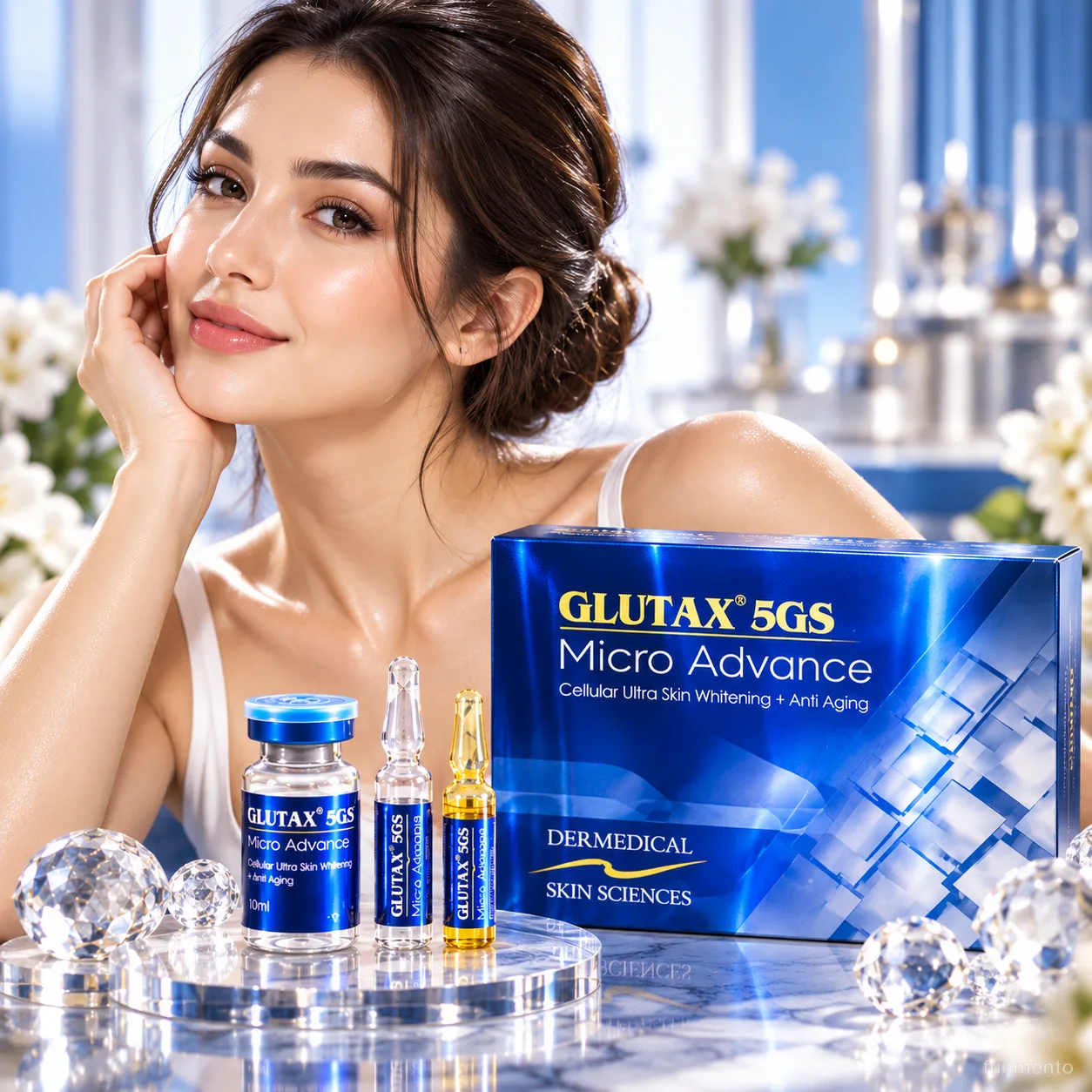 1
1Glutax 5GS Micro Advance
Our most-purchased glutathione for antioxidant support and a brighter-looking complexion. 5 units sold across 1 orders — rated 4.4 by verified buyers.
Shop Glutax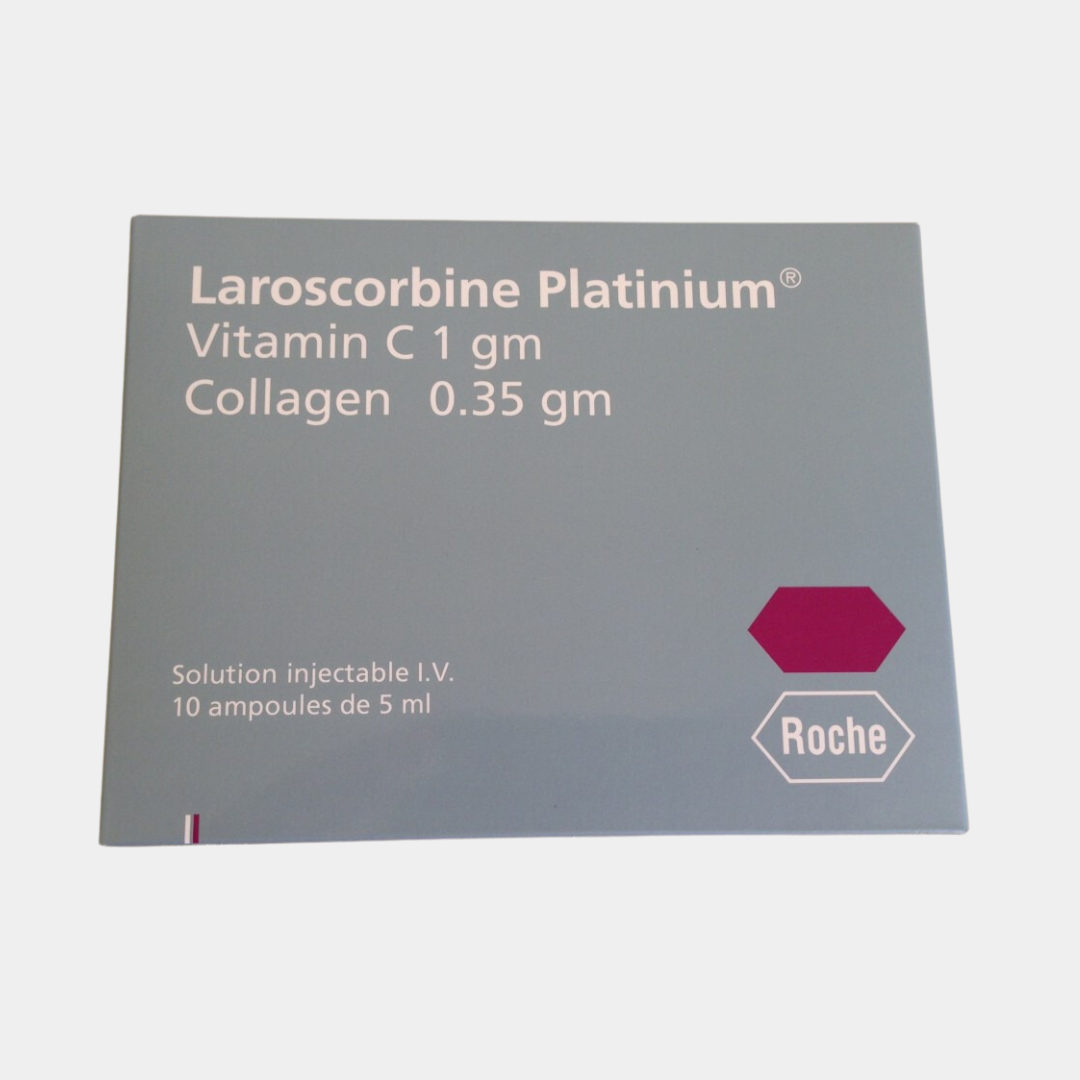 2
2Laroscorbine Collagen Platinium by Roche (Vitamin C with Collagen)
A vitamin-C-forward option for those who want to lead with vitamin C. 3 units sold across 1 orders — rated 4.5 by verified buyers.
Shop LaroscorbineWhich one is right for you?
Skip the research — pick by what matters most to you. Each is a real customer favourite for that need.
How we ranked these products
This guide isn't pay-to-play. Here's exactly how the ranking is decided — and how it stays honest.
Real customer demand
We rank by verified purchases from real customers worldwide — not sponsored placements or ad spend.
Verified-buyer ratings
Star ratings come only from customers who actually bought and received the product.
Ingredients & form
We assess what's in each product and how it's delivered — injectable, oral or a full set.
Authenticity checked
Every product is verified authentic before it's listed — and you can check your own below.
Reviewed monthly
Rankings are re-checked and refreshed every month so this guide stays current.
Reviewed by The Funmento Team · Updated July 2026. We never accept payment for placement — the ranking reflects real customer behaviour, not who paid the most.
Key takeaways
- Glutathione operates primarily inside cells, recycling antioxidants.
- Vitamin C works mainly outside cells and can regenerate glutathione.
- Both provide antioxidant support that may help maintain brighter‑looking skin.
- Absorption pathways differ: glutathione is taken up via amino‑acid transporters, vitamin C via sodium‑dependent carriers.
- Combining them can offer broader protection against oxidative stress.
- Dosage and formulation affect bioavailability; results vary from person to person.
Glutathione vs Vitamin C: the quick answer
When you see glutathione and vitamin C side by side on a supplement label, the first question is how they differ and where they overlap. Both are antioxidants that the body naturally produces or obtains from food, but they work in distinct biochemical pathways and have unique strengths for skin‑brightening, detox‑support, and overall vitality.
Vitamin C (ascorbic acid) is water‑soluble, so it circulates easily in plasma and can be replenished daily through fruits, vegetables, or topical formulas. Glutathione, a tripeptide made of cysteine, glycine and glutamate, is found in cells and is the master regulator of the body’s internal antioxidant network.
| Aspect | Vitamin C | Glutathione |
|---|---|---|
| Solubility | Water‑soluble | Cell‑based (both water‑ and lipid‑compatible) |
| Primary role | Scavenges free radicals in blood and skin | Regenerates other antioxidants, supports detox pathways |
| Typical dietary sources | Citrus, berries, peppers, fortified drinks | Found in fresh produce, meat, and also produced internally |
| Common beauty use | Brightens complexion, supports collagen formation | Helps maintain an even tone, may support a youthful glow |
| Stability in formulations | Sensitive to light and heat, requires stable packaging | Often encapsulated or used in topical serums to protect from oxidation |
- Check the form – L‑ascorbic acid, magnesium ascorbate, or sodium ascorbate each have different absorption profiles.
- Consider the delivery method – oral supplements, powders, or topical serums can affect how quickly the antioxidant reaches its target.
- Look for complementary ingredients – vitamin E, ferulic acid, or alpha‑lipoic acid often work synergistically with either antioxidant.
- Mind storage conditions – keep vitamin C products away from heat and light, while glutathione formulas may benefit from airtight containers.
| Half‑life in blood | Approximately 2‑3 days for vitamin C |
| Cellular turnover | Glutathione levels can fluctuate with stress and diet |

Glutathione vs Vitamin C: side-by-side comparison
Both glutathione and vitamin C appear frequently in wellness and beauty routines across the United States, Philippines, United Kingdom, South Africa, France, India, Saudi Arabia, UAE, Australia, and Sri Lanka. While each molecule plays a role in antioxidant support, they differ in where they are sourced, how the body processes them, and the typical ways people incorporate them into daily habits. Understanding these nuances helps you decide which option aligns best with your personal goals, whether it’s brighter‑looking skin, a boost to cellular resilience, or an extra layer of protection against everyday oxidative stress.
| Aspect | Glutathione | Vitamin C |
|---|---|---|
| Primary form | Tripeptide (γ‑glutamyl‑cysteinyl‑glycine) | Water‑soluble vitamin (ascorbic acid) |
| Main source | Endogenous synthesis; supplemental forms (oral, topical, IV) | Citrus fruits, berries, peppers, fortified foods |
| Key function | Supports cellular detox pathways and helps recycle other antioxidants | Direct antioxidant that neutralises free radicals and aids collagen synthesis |
| Typical usage | Often found in skin‑brightening creams, oral capsules, or professional IV administration | Common in serums, powders, gummies, and food‑based supplements |
| Absorption notes | Oral bioavailability can be low; liposomal or sublingual formats aim to improve uptake | Well absorbed in the small intestine; excess excreted in urine |
| Safety profile | Generally well tolerated; high doses may cause mild gastrointestinal upset | Very safe; excess typically flushed out, though very high intakes may cause stomach discomfort |
- If you prefer a molecule that the body already produces, glutathione offers a natural, internal line of defense.
- Vitamin C is widely available in whole foods, making it easy to integrate through diet as well as supplements.
- Topical applications of glutathione are popular for a brighter‑looking complexion, while vitamin C serums are prized for their ability to support collagen health.
- Cost considerations vary: glutathione supplements and professional IV sessions can be pricier than most vitamin C products.
Choosing between the two often comes down to personal routine and desired outcome. Those who enjoy a straightforward dietary boost may lean toward vitamin C, especially when they already consume fruit‑rich meals. Individuals seeking a more targeted skin benefit might explore glutathione‑infused creams or consult a qualified healthcare professional for professional‑grade administration. Remember that results vary from person to person, and combining both—within safe intake levels—can provide complementary antioxidant support.
Ultimately, both glutathione and vitamin C have earned their place in modern wellness arsenals. By matching each ingredient’s strengths to your lifestyle—whether you value food‑based convenience, topical convenience, or professional administration—you can craft a routine that supports healthy‑looking skin and overall cellular vitality.

How they work differently — Glutathione vs Vitamin C
Glutathione is a three‑amino‑acid peptide that lives mainly inside cells. It acts as a primary antioxidant by directly neutralising reactive molecules and by recycling other antioxidants back to their active forms. Because it works inside the cell’s own defence system, glutathione helps maintain a healthy‑looking complexion from the inside out, especially when oxidative stress builds up from daily exposures.
Vitamin C (ascorbic acid) is a water‑soluble vitamin that circulates in the bloodstream and extracellular fluids. It supports antioxidant activity by donating electrons to neutralise free radicals and by restoring oxidised glutathione and vitamin E. Its brightening reputation in skin‑care stems from its ability to help support collagen formation and a brighter‑looking tone when applied topically or taken orally.
- Glutathione works mainly inside cells; vitamin C works mainly in the fluid surrounding cells.
- Glutathione can regenerate itself and other antioxidants; vitamin C helps regenerate glutathione and vitamin E.
- Glutathione is a tripeptide; vitamin C is a single‑molecule vitamin.
- Glutathione is more stable at low pH; vitamin C is sensitive to heat and light.
| Feature | Glutathione | Vitamin C |
|---|---|---|
| Primary location | Intracellular | Extracellular (blood & fluids) |
| Main function | Direct radical scavenger & antioxidant recycling | Electron donor & collagen support |
| Common sources | Fresh fruits, vegetables, whey protein; also made by the body | Citrus fruits, berries, peppers, fortified foods |
| Stability | Relatively stable in neutral pH | Degrades with heat, light, and high pH |
| Typical beauty use | Often included in oral supplements for antioxidant support | Widely used in serums and creams for brightening |
When choosing a supplement, consider the form that matches your routine. Oral glutathione powders or capsules are commonly taken with meals, while vitamin C is available as tablets, powders, and topical serums. For injectable versions, administration by qualified healthcare professionals only is recommended, and individual results can vary.
Overall, glutathione and vitamin C complement each other rather than compete. Glutathione provides deep, intracellular antioxidant support, whereas vitamin C offers quick, extracellular protection and brightening benefits. Pairing them thoughtfully can help support a healthier‑looking complexion and a more resilient antioxidant defence system.

Benefits and limits of each — Glutathione vs Vitamin C
Glutathione and Vitamin C are two of the most talked‑about antioxidants in the wellness world. Both are naturally present in the body and are often added to supplements, skin‑care formulas, and functional foods. Understanding how each works, where it shines, and where it meets its limits can help you choose the right approach for a brighter‑looking complexion and everyday antioxidant support.
Glutathione: What it offers
Glutathione is a tripeptide made from cysteine, glycine, and glutamate. It circulates in cells and helps recycle other antioxidants, keeping them active longer. Because it operates at the cellular level, many people turn to glutathione for its potential to support a healthy‑looking skin tone and to maintain the body’s natural detox pathways.
- May help support a clearer‑looking complexion by assisting the body’s own antioxidant cycle.
- Often used in beauty routines for its role in maintaining a youthful‑appearing glow.
- Supports the regeneration of Vitamin C and Vitamin E, extending their antioxidant activity.
- Participates in the neutralisation of free radicals that can contribute to oxidative stress.
- May aid in maintaining a balanced cellular environment, especially during periods of high environmental stress.
Vitamin C: What it offers
Vitamin C (ascorbic acid) is a water‑soluble vitamin celebrated for its brightening effect on skin and its role in collagen synthesis. It also serves as a frontline antioxidant, directly scavenging free radicals that appear after sun exposure or pollution. Because it is readily absorbed from food and supplements, Vitamin C is a staple for those seeking a brighter‑looking complexion and everyday antioxidant support.
- Provides antioxidant support that may help protect skin from oxidative damage caused by UV exposure.
- Commonly used in topical formulas to promote a more even skin tone and brighter‑looking appearance.
- Supports the body’s natural collagen production, which can contribute to a firmer‑looking texture.
- Helps regenerate other antioxidants, such as glutathione, after they have been oxidised.
- May assist in maintaining a healthy‑looking immune response during periods of increased environmental stress.
Key differences in limits
While both antioxidants shine in supporting skin health and oxidative balance, each has practical limits. Glutathione’s effectiveness can be reduced by rapid oxidation if not protected, and oral forms may face absorption challenges. Vitamin C, on the other hand, is water‑soluble and can be excreted quickly, meaning higher doses may not stay in the system longer than needed.
| Aspect | Glutathione | Vitamin C |
|---|---|---|
| Primary role | Cellular recycling of antioxidants | Direct free‑radical scavenger |
| Typical limit | Sensitive to oxidation; oral absorption varies | Rapid excretion at high intake |
| Skin benefit | May support a clearer complexion and youthful glow | Often used for brightening and collagen support |
| Stability | Less stable in supplement form; often protected with liposomal delivery | Stable in many topical and oral formulations |
In practice, the choice between glutathione and Vitamin C often comes down to personal goals and formulation preferences. Those focused on deep cellular support may lean toward glutathione, while individuals seeking quick, visible skin benefits might prioritize Vitamin C. By recognising the strengths and limits of each, you can craft a routine that offers balanced antioxidant support and a brighter‑looking appearance.

Glutathione vs Vitamin C: which is better for your goal?
Glutathione and vitamin C are two of the most talked‑about antioxidants in the supplement aisle. While both can appear in capsules, powders, or topical formulas, they work in distinct ways inside the body. Understanding those differences helps you choose the ingredient that aligns with your personal goal—whether it’s a brighter‑looking complexion, everyday antioxidant support, or a boost to cellular renewal. Below we break down the science, typical uses, and practical considerations for each.
How they differ at a glance
| Aspect | Glutathione | Vitamin C |
|---|---|---|
| Molecular form | Tripeptide (γ‑glutamyl‑cysteinyl‑glycine) | Water‑soluble vitamin (ascorbic acid) |
| Primary antioxidant pathway | Regenerates other antioxidants, supports detox enzymes | Direct free‑radical scavenger, supports collagen synthesis |
| Common delivery formats | Oral capsules, liposomal liquids, topical creams | Oral tablets, powders, serums, topical creams |
| Stability in product | Sensitive to pH, often encapsulated | Stable in airtight packaging, degrades with light |
| Typical beauty claim | Supports brighter‑looking skin and healthy‑looking tone | Helps support radiant skin and collagen health |
Because glutathione is a tripeptide, it tends to stay inside cells and works behind the scenes to recycle other antioxidants. Vitamin C, on the other hand, is readily absorbed in the bloodstream and can directly neutralize free radicals while also aiding the synthesis of collagen, a key protein for skin firmness. In practice, people who prioritize a brighter‑looking complexion often start with vitamin C topicals, while those interested in deeper cellular support may look to glutathione‑rich supplements. Both may help support overall antioxidant balance, but the choice hinges on where you want the support to act.
- Goal: Brighter‑looking skin – Vitamin C in serums or powders
- Goal: Cellular detox support – Glutathione in liposomal capsules
- Goal: Daily antioxidant shield – Combine both for complementary action
- Goal: Sensitive skin – Choose a low‑pH vitamin C formulation or a glutathione cream designed for gentle use
When you pair the two, each ingredient can cover the gaps left by the other. Vitamin C works fast on the surface, delivering immediate antioxidant support and helping maintain a radiant appearance. Glutathione, meanwhile, operates at the cellular level, supporting the body’s own detox pathways and helping preserve a healthy‑looking tone from within.
Both ingredients are generally well tolerated, but individual sensitivities can occur. For oral glutathione, look for liposomal delivery that protects the molecule from stomach acid. For vitamin C, choose a formulation with a pH that matches your skin type to avoid irritation. As with any supplement, consult a qualified healthcare professional before adding new products to your routine.
Ultimately, the “better” ingredient depends on the outcome you value most. If your primary aim is a brighter‑looking complexion with visible radiance, vitamin C is often the first stop. If you’re after deeper cellular renewal or want to support the body’s own detox pathways, glutathione may be the more targeted option. Many users find that alternating or layering the two provides a balanced approach that supports both surface and internal health.

Can you combine them? — Glutathione vs Vitamin C
Glutathione and vitamin C are two of the most talked‑about antioxidants in beauty and wellness circles. While each can be used on its own, many people wonder whether pairing them creates a stronger “antioxidant shield” for the skin and overall cellular health. The short answer is yes—when combined, they can support each other’s activity in the body’s natural defense system, which may help maintain a brighter‑looking complexion and promote a healthy‑looking glow.
Why many choose to pair them
Vitamin C (ascorbic acid) is a water‑soluble antioxidant that helps recycle oxidized glutathione back to its active form. In turn, glutathione works inside cells to neutralize free radicals and supports the regeneration of other antioxidants, including vitamin C itself. This back‑and‑forth relationship is often described as an “antioxidant network” that can be more resilient when both players are present.
- May help support a more even skin tone by reducing oxidative stress.
- Can assist in maintaining a healthy‑looking complexion when used consistently.
- Supports the body’s natural detox pathways without the need for harsh chemicals.
- Provides antioxidant support that complements both oral supplements and topical routines.
| Feature | Glutathione | Vitamin C |
|---|---|---|
| Primary role | Cellular antioxidant, supports detox | Water‑soluble antioxidant, collagen support |
| Typical sources | Liver, fresh fruits, supplements | Citrus, berries, peppers, supplements |
| Absorption | Best absorbed in liposomal or reduced form | Best absorbed in buffered or liposomal form |
| Synergy | Recycles oxidized vitamin C | Regenerates oxidized glutathione |
If you prefer injectable forms, remember they are for administration by qualified healthcare professionals only, and dosing should be discussed with a practitioner. Results vary from person to person, so it’s wise to start with a modest routine and observe how your skin responds.
Practical ways to combine
- 1Start the day with a vitamin C serum (10‑15 % concentration) on clean skin.
- 2Follow with a glutathione‑rich cream or liposomal supplement taken with breakfast.
- 3Re‑apply a light vitamin C antioxidant spray mid‑day for a boost of freshness.
- 4Finish the evening with a glutathione‑focused night cream to support overnight cellular renewal.
Overall, using glutathione and vitamin C together can create a more robust antioxidant environment, which may help support a brighter‑looking complexion and a healthy‑looking appearance. As always, listen to your body, adjust the routine to your personal preferences, and consult a qualified professional if you’re considering high‑potency or injectable options.

Cost and value compared — Glutathione vs Vitamin C
When you compare the price tags of glutathione and vitamin C, the first thing to notice is the variety of formats each nutrient comes in. Vitamin C is widely available as tablets, powders, and topical serums, often at a lower shelf‑price. Glutathione, while also sold in oral capsules and powders, can carry a higher cost when you look at premium‑grade powders or professional‑grade injectables that are meant for administration by qualified healthcare professionals only.
| Form | Typical Monthly Cost (USD) | Typical Usage Scenario |
|---|---|---|
| Vitamin C tablets (500 mg) | $5‑$12 | Daily oral supplement for antioxidant support |
| Vitamin C powder (1 g) | $8‑$15 | Mix into drinks for brighter‑looking skin |
| Vitamin C serum (30 ml) | $20‑$35 | Topical use in beauty routines |
| Glutathione capsules (250 mg) | $12‑$25 | Oral antioxidant support |
| Glutathione powder (500 mg) | $20‑$40 | Custom dosing for healthy‑looking results |
| Glutathione injectable (for professionals) | $70‑$120 | Professional administration for targeted support |
- Form factor – powders often cost more per gram than tablets.
- Purity level – higher‑purity glutathione commands a premium price.
- Brand reputation – established brands usually price their products higher, reflecting quality controls.
- Shipping & import duties – especially relevant for markets like the United Arab Emirates and Saudi Arabia.
- Packaging size – larger containers can lower the cost per serving, but check expiration dates.
Your decision may hinge on how you plan to incorporate the nutrient into your routine. If you prefer a simple, daily oral supplement, vitamin C often offers the most budget‑friendly entry point. For those seeking a more specialized antioxidant boost that is commonly used in beauty routines, glutathione powders or professional‑grade options may provide the perceived value you need, even though the upfront cost is higher.
Remember that results vary from person to person, and the best value is the one that aligns with your personal goals, lifestyle, and budget. Comparing price per serving, ingredient transparency, and the specific form that fits your routine will help you make a choice that feels both affordable and effective.

Our final recommendation — Glutathione vs Vitamin C
When you weigh the everyday choices between glutathione and vitamin C, the decision often comes down to the specific goals you have for skin radiance, antioxidant support, and overall vitality. Both ingredients are celebrated in beauty and wellness circles, yet they play distinct roles at the cellular level. Vitamin C is a water‑soluble antioxidant that works primarily in the extracellular space, while glutathione operates inside cells as a master reducer of oxidative stress. Understanding where each shines helps you build a routine that aligns with your personal priorities.
| Aspect | Glutathione | Vitamin C |
|---|---|---|
| Primary antioxidant location | Inside cells (intracellular) | Outside cells (extracellular) |
| Common form in supplements | Reduced (GSH) powder or liposomal capsules | Ascorbic acid powder, tablets, or topical serums |
| Typical benefit focus | Supports cellular detox and bright‑looking skin tone | Helps support collagen synthesis and brighter‑looking complexion |
| Stability in skin products | Often encapsulated for stability | Stable in aqueous formulas |
- If your priority is a healthy‑looking, luminous complexion, vitamin C serums are a quick‑absorbing option for daily use.
- For those seeking deeper cellular antioxidant support, glutathione in liposomal form may help support detox pathways and overall skin tone.
- Combine both: a morning vitamin C boost followed by an evening glutathione supplement can provide layered antioxidant coverage.
- Choose products that list the active ingredient near the top of the ingredient list for maximum potency.
- Look for formulations that protect vitamin C from oxidation (e.g., airtight packaging) and glutathione from degradation (e.g., liposomal encapsulation).
- Remember that results vary from person to person; start with a modest routine and adjust based on how your skin feels and looks.
In summary, vitamin C shines as a fast‑acting, bright‑looking skin enhancer, while glutathione offers deeper, intracellular antioxidant support that may help sustain a healthy‑looking complexion over time. Selecting the right combination depends on your lifestyle, skin goals, and how you prefer to incorporate supplements into your daily routine.

How to make sure your product is real
Counterfeits exist in this category. Here's how to protect yourself, and how we guarantee what you buy.
How to spot a genuine product
- Check the safety seals and packaging are intact and factory-sealed — never accept a broken or resealed box.
- Look for a batch or serial code on the box, and make sure it matches the code on the vial or sachet.
- Buy only from authorised sellers — not random social-media resellers or unverified marketplaces.
- Be wary of prices far below the market: a huge discount often means a fake or a refill.
Our authenticity guarantee
100% authentic
Every item is genuine, sourced through authorised channels — never imitations or refills.
Sealed & verified
Products arrive factory-sealed, with intact safety seals and batch codes you can check.
Quality reviewed
Each listing is checked against our standards before it goes on sale.
Genuine or money back
If a product isn't authentic, we'll make it right — full refund, no hassle.
Frequently asked questions (7)
Glutathione vs Vitamin C: which is better for brighter skin?
Can I use both together?
Which one works faster?
Do I have to choose between them?
Which is safer?
Which is better value for money?
Which should a beginner start with?
Kept fresh, not forgotten
This is an evergreen guide. Instead of posting a new dated article every month, we keep this page and refresh it as the market changes — so the link you bookmark always has the current answer.
What we re-check every update
- Rankings — re-scored against the latest real customer demand.
- Prices — refreshed so every figure matches checkout.
- Ratings — pulled live from verified buyers.
- Products — new arrivals added, discontinued items removed.
- Safety & regulatory info — reviewed against current advisories.
Keep exploring
Jump straight to a product, browse a category, or read a related guide.
This guide is general information, not medical advice. Results vary from person to person. Follow each product's label, and have injectable products administered by a licensed professional.